Your home is your sanctuary—until it isn’t. Burglaries shatter more than property; they invade peace of mind. And despite installing alarms or deadbolts, many homeowners still get hit because they’re following outdated playbooks. The fix? A layered, intelligence-driven strategy that deters thieves *before* they step onto your porch.
Why Most “Tips to Prevent Burglaries” Fail Miserably
Slap-on solutions like fake security cameras or sticker decals? Thieves laugh at those. Today’s burglars scout neighborhoods like data analysts—they track routines, spot blind spots, and test weak points. One homeowner in Austin installed motion lights but left garage-side shrubs untrimmed. Guess where the break-in happened? Right behind the bush. Standard advice treats symptoms, not behavior patterns.
And here’s the harsh truth: no single gadget stops crime. It’s about creating friction—so much delay and uncertainty that the burglar moves on. Fast.
Step-by-Step: Build a Real Burglary Deterrence System
Layer 1: Eliminate Easy Entry Points
Over 30% of break-ins happen through unlocked doors or open windows—even during the day. Locks aren’t just metal; they’re psychology. Upgrade to Grade 1 deadbolts (ANSI-certified). Reinforce strike plates with 3-inch screws. And never leave spare keys under doormats. Pro move? Use a lockbox with a randomized code—shared only with trusted neighbors or cleaners.
Layer 2: Master Outdoor Visibility
Thieves avoid well-lit, open spaces. Trim hedges below 3 feet near entrances. Install dusk-to-dawn LED floodlights angled toward walkways—not outward, which blinds neighbors and creates shadows. Motion sensors should cover side gates, back patios, and garage alleys. Bonus: smart bulbs that simulate occupancy via timed schedules fool even seasoned prowlers.

Layer 3: Create the Illusion of Presence
Empty homes scream opportunity. Use smart plugs to randomize lamp cycles. Leave a radio playing softly near windows. Ask a neighbor to collect mail—or better yet, pause delivery. Social media blackout is non-negotiable: don’t post “Off to Bali!” while your house sits dark for two weeks.
Layer 4: Leverage Tech Without Overcomplicating
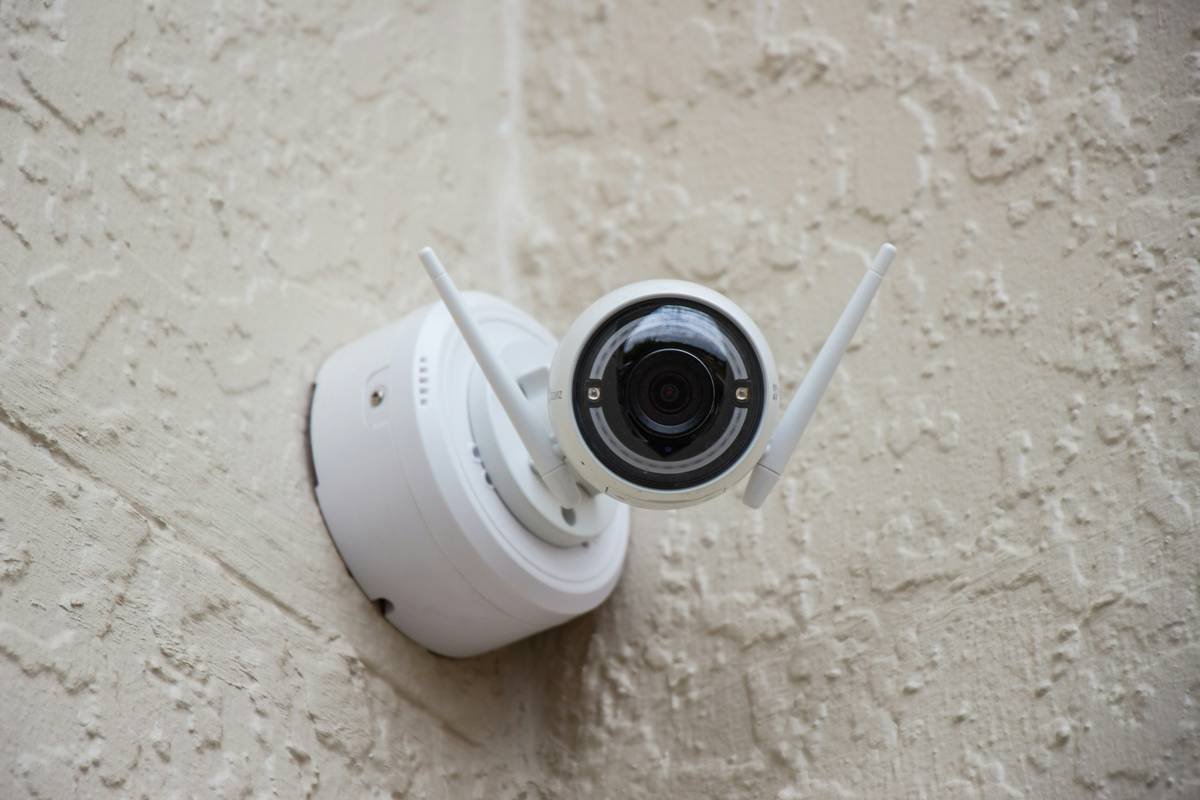
You don’t need a $2,000 system. A $60 Wi-Fi doorbell cam with cloud recording acts as both deterrent and evidence collector. Pair it with glass-break sensors inside. But—and this is critical—test alerts weekly. Silent notifications you never check are worse than useless; they create false confidence.
| Security Layer | Low-Cost Option | Premium Upgrade | Effectiveness Boost |
|---|---|---|---|
| Perimeter Lighting | Solar path lights ($15) | Smart motion floodlights ($80) | +70% deterrence when paired with trimmed foliage |
| Entrance Hardening | Basic deadbolt ($25) | ANSI Grade 1 lockset ($120) | Delays forced entry by 3–5+ minutes |
| Digital Monitoring | Free neighborhood app (e.g., Nextdoor alerts) | 24/7 monitored alarm + camera ($30/mo) | Cuts response time to under 8 minutes |

The Industry Secret: Burglars Target Predictability—Not Just Vulnerability
Insurance adjusters and loss prevention experts know something homeowners rarely hear: consistency is your greatest weapon. A house with perfectly functioning lights but erratic occupancy patterns attracts more attention than a modestly lit home with rock-solid routine. One claims analyst shared internal data showing repeat burglary attempts dropped 92% in neighborhoods where residents varied departure times by just 15–20 minutes daily. Why? It broke the thief’s mental map. Your goal isn’t invisibility—it’s unpredictability wrapped in visible vigilance.
Frequently Asked Questions
Do home security signs really deter burglars?
Only if backed by real systems. Fake ADT stickers might fool amateurs—but pros check for wiring, camera placement, and alarm sounds. Empty branding invites challenge, not caution.
Is renters insurance enough after a burglary?
It covers stolen items, not trauma or replacement downtime. But prevention slashes premiums. Many insurers offer 5–15% discounts for verified security upgrades like deadbolts or alarms.
What’s the #1 mistake homeowners make with outdoor lighting?
Aiming lights upward or using overly bright white LEDs that create harsh glare—and deep shadows right beneath. Warm-color, downward-facing fixtures eliminate hiding spots without blinding passersby.