
Your front door isn’t just wood and hinges—it’s a target. Every 30 seconds, a home is burglarized in the U.S. Most break-ins happen during daylight, not under cover of night. And shockingly, over half occur because the homeowner assumed they were “safe enough.” The fix? Real-world home security measures to prevent burglary—not gimmicks sold on infomercials.
Why Most Security Systems Fail Before the Burglar Even Knocks
People bolt on cameras and alarms like armor—then leave windows unlatched. Or worse, they rely on neighborhood watch signs as psychological shields. But here’s what insurers won’t tell you: visible deterrents alone are theater. Burglars scout patterns, not products. They test doors on random walks. If your porch light flickers but your side gate swings open? You’re already compromised.
And insurance claims data shows a brutal truth: homes with only one layer of defense—say, motion lights or a deadbolt—get hit just as often as unprotected ones. Because crime exploits complacency, not code violations.
home security measures to prevent burglary: A Practical, Tiered Defense Plan
Forget fear-based marketing. Effective home protection stacks layers like an onion—each one buys time, confuses intruders, and signals to criminals: “Not worth it.”
Perimeter Awareness: See Trouble Before It Reaches Your Door
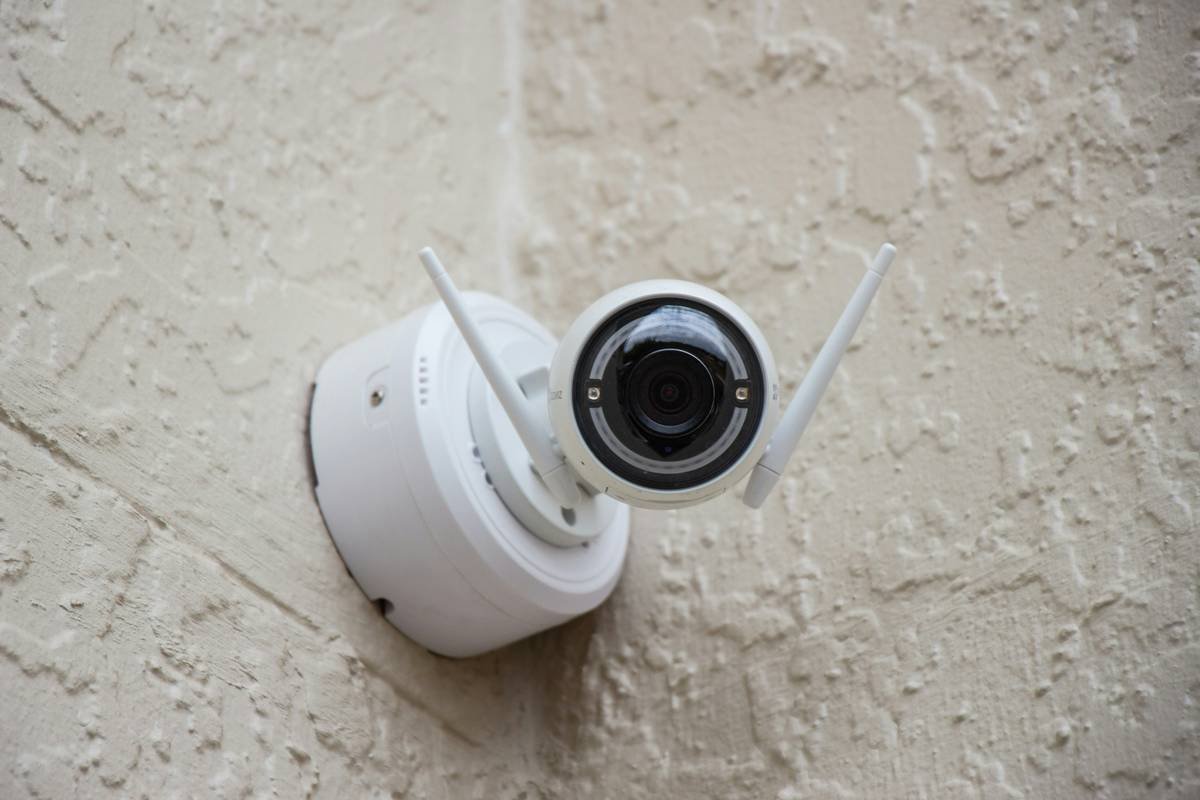
Trim shrubs below three feet near windows. Install gravel paths—they crunch underfoot, acting as natural alarm systems. Motion-sensor lighting should cover all entry points, especially rear alleys. And yes, fake security cameras? Useless. Real ones with cloud recording? Non-negotiable.

Entry Point Hardening: Locks Are Just the Beginning
A standard deadbolt can be kicked in with two solid blows. Upgrade to ANSI Grade 1 locks. Reinforce strike plates with 3-inch screws that anchor into wall studs—not just drywall. Sliding glass doors? Insert a metal rod in the track. Window locks should be keyed or pinned; never rely on latches alone.
Behavioral Protocols: Your Daily Habits Are Part of the System
Never announce vacations on social media. Pause mail delivery. Ask a neighbor to park in your driveway. These aren’t suggestions—they’re operational procedures. One insurer told me off-record: “We pay more claims on homes where the owner posted ‘Beach Day!’ than any other single behavior.”
| Security Layer | Average Cost | Deterrence Impact | Insurance Discount Potential |
|---|---|---|---|
| Reinforced Doors + Grade 1 Locks | $150–$400 | High | 5–10% |
| Smart Outdoor Cameras (with recording) | $100–$300 | Very High | 3–8% |
| Motion-Sensor Lighting (LED, solar) | $30–$120 | Medium | 0–3% (rarely standalone) |
| Window Security Film + Locks | $80–$200 per window | Medium-High | 2–5% |
The Industry Secret: How Insurance Underwriters Actually Assess Risk
Here’s the reality most agents won’t say aloud: insurers don’t care about your Ring doorbell. They care about evidence of layered resistance. During underwriting, adjusters look for proof that forced entry would take more than 90 seconds. Why? FBI data shows most residential burglars bail if they can’t get in fast. So your goal isn’t to build Fort Knox—it’s to make your house slower to breach than the one next door. That’s why simple upgrades like longer strike plate screws or laminated glass often yield bigger premium discounts than flashy tech. The math is simple: delay = deterrence = lower claim likelihood.
Frequently Asked Questions
Do burglars really avoid homes with security cameras?
Yes—but only real, active cameras. Dummy units are ignored. Visible, functioning cameras reduce burglary risk by up to 50% according to University of North Carolina studies.
Can better locks alone prevent a break-in?
No. Locks are just one layer. Without reinforced frames, proper installation, and complementary lighting or surveillance, even high-grade locks can be bypassed via doorjamb kicking or window access.
Will implementing home security measures to prevent burglary lower my insurance premiums?
Potentially. Most insurers offer 5–20% discounts for verified systems like monitored alarms, smart locks, or impact-resistant windows—especially when multiple layers are documented.