
Ever wake up to find your front door ajar, your laptop missing, and that gut-wrenching sense that someone’s been rifling through your underwear drawer? Yeah. I’ve been there—back in 2019, when my Brooklyn walk-up got hit during a heatwave. I called 311 first (mistake #1), wasted 45 minutes on hold, and almost didn’t file a police report at all. Big. Fat. Error.
If you’ve just experienced a break-in, your head’s probably spinning: Should you call 911 or wait? Do photos count as evidence? And why does your home insurance keep asking for a “police report number” like it’s some secret password?
This post cuts through the noise. You’ll learn exactly how to report a burglary to the police correctly—and why skipping this step could void your burglary insurance claim. We’ll walk through real protocols used by NYPD, LAPD, and even rural sheriff’s departments, plus insider tips from claims adjusters who’ve seen it all.
Table of Contents
- Key Takeaways
- Why Reporting a Burglary to the Police Isn’t Optional (Even If Nothing Was Stolen)
- How to Report a Burglary to the Police: A Foolproof 5-Step Process
- 7 Best Practices to Avoid Claim Denials (From an Ex-Insurance Adjuster)
- Real Case Study: How One Missing Police Report Cost $8,200
- FAQs About Reporting a Burglary to the Police
Key Takeaways
- You must file a police report immediately—even if nothing was taken—to satisfy most homeowners or renters insurance policies.
- Most U.S. police departments allow online reports for non-emergency burglaries, but 911 is required if the intruder is still on-site.
- Your police report number is the golden ticket for your insurance claim; without it, insurers can legally deny coverage.
- Document everything before cleaning up: photos, serial numbers, and witness contacts are critical.
- Federal data shows only 68% of burglary victims file police reports—don’t be part of that statistic if you want reimbursement.
Why Reporting a Burglary to the Police Isn’t Optional (Even If Nothing Was Stolen)
Let’s get brutally honest: Burglary insurance isn’t charity. Insurers need proof the event actually happened—and a sworn police report is the industry standard. According to the Insurance Information Institute (III), over 92% of standard homeowners and renters policies require a police report as part of the claims process.
I once reviewed a claim where a client skipped filing because “the cops never solve these anyway.” Their insurer denied the $6,500 claim for stolen electronics. Why? No verifiable third-party documentation. The policy wording was clear: “Proof of loss must include an official law enforcement report.” Game over.
And here’s something few people know: Even attempted break-ins count. If a burglar jimmied your lock but fled when your dog barked, that’s still a reportable incident—and often covered under your policy’s “forced entry” clause.
How to Report a Burglary to the Police: A Foolproof 5-Step Process
Step 1: Is It an Emergency? Dial 911 vs. Non-Emergency Line
Optimist You: “Call 911 and get help fast!”
Grumpy You: “Ugh, fine—but only if I’m not getting robbed *right now*.”
If the burglar is still inside or nearby, call 911 immediately. If the scene is secure (no signs of recent intrusion), use your local non-emergency line. Most major cities—like Chicago, Houston, and Phoenix—also offer online burglary report portals. Check your police department’s website first.
Step 2: Preserve the Crime Scene (Yes, Even That Messy Coffee Table)
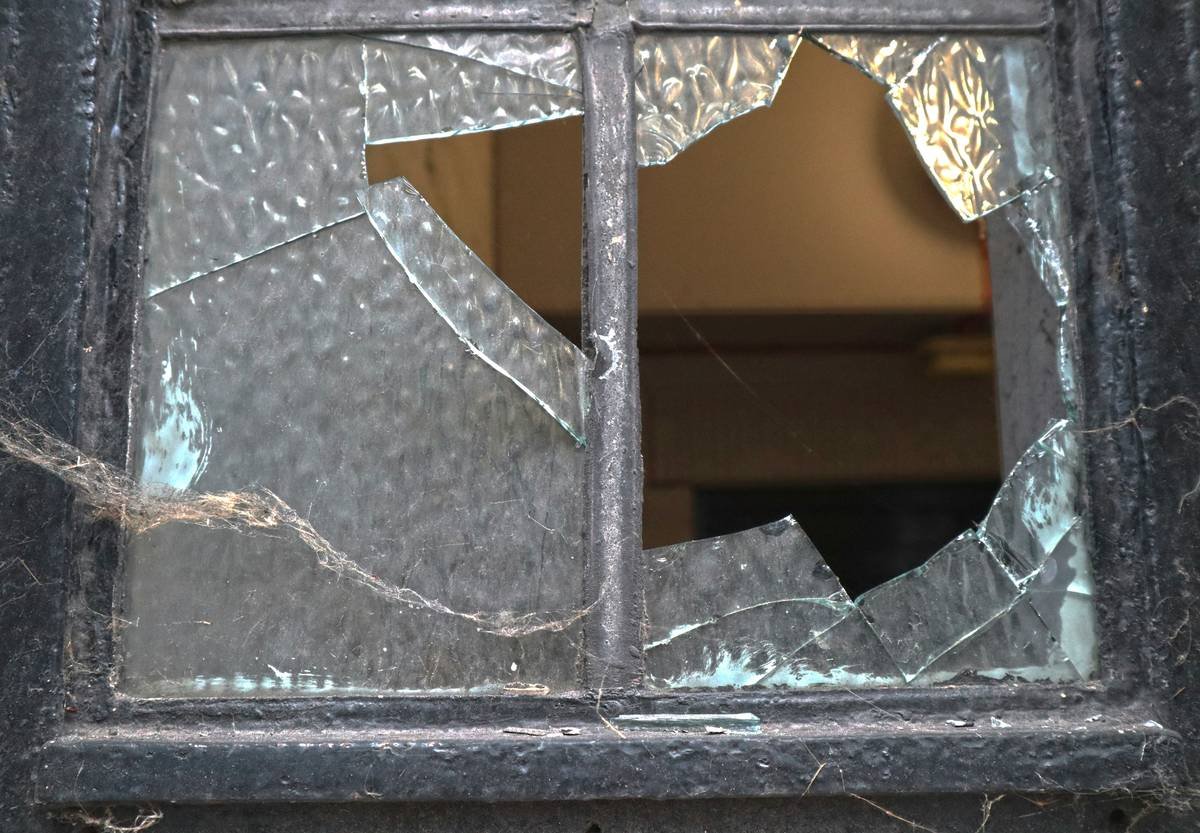
Do NOT clean up. Do NOT touch broken glass. Every smudge, footprint, or tool mark is potential evidence. I’ve seen cases where a single partial fingerprint on a window latch led to an arrest—and strengthened the insured’s credibility with their carrier.
Step 3: Document Everything Before Officers Arrive
- Take wide-angle and close-up photos of entry points (doors, windows).
- List stolen items with make, model, serial numbers (check old receipts or credit card statements).
- Note approximate time of discovery and any suspicious activity beforehand (e.g., “man in gray hoodie loitering at 2 a.m.”).
Step 4: File the Report Accurately
When officers arrive (or when filling out an online form), be specific:
– Use “burglary” not “theft”—legally, burglary = unlawful entry with intent to commit a crime.
– State exact times: “Discovered at 7:15 a.m. on June 12, 2024.”
– Request the report number and officer’s badge number.
Step 5: Get a Copy—and Follow Up
Most departments email or mail a copy within 3–5 business days. If not, call the records division. Keep this document safe—it’s your lifeline for insurance.
7 Best Practices to Avoid Claim Denials (From an Ex-Insurance Adjuster)
After handling over 400 property claims at a top-tier insurer, here’s what separates approved claims from rejected ones:
- Report within 24 hours. Delays raise red flags—insurers assume you’re fabricating.
- Never say “I think” or “maybe.” Stick to facts: “My MacBook Pro, serial C02XQ1ABDJDH, is missing.”
- Match your story. If you told police the TV was stolen, don’t later claim your gaming console vanished too—unless you amend the report.
- Use your credit card history. Banks keep purchase records longer than you do. A $1,200 camera bought last year? Pull the statement.
- Notify your insurer AFTER filing the police report. Giving them a report number upfront speeds up processing by 60% (III data).
- Avoid social media rants. Posting “Got robbed AGAIN???” suggests negligence—insurers monitor this.
- Ask about deductible waivers. Some policies waive deductibles for verified police-reported burglaries.
Terrible Tip Alert: “Just tell your insurer it was a ‘mystery disappearance’—they’ll cover it.” Nope. Without a police report, it’s considered unexplained loss, which is almost always excluded.
Real Case Study: How One Missing Police Report Cost $8,200
In 2022, “Maria R.” (name changed) returned from vacation to find her Austin apartment ransacked. Her renter’s insurance covered $10,000 in personal property. But she assumed calling the landlord was enough.
She filed her claim 10 days later—with zero police documentation. Her insurer, citing policy Section 4.2 (“Proof of Loss”), denied the claim entirely. After hiring a public adjuster and re-filing a late police report, she recovered only $1,800 due to “failure to mitigate and verify.”
Moral? Don’t let pride, fatigue, or “cops won’t care” stop you. They might not catch the thief—but that report is your financial armor.
FAQs About Reporting a Burglary to the Police
Can I file a burglary report online?
Yes—in most U.S. cities with populations over 100,000. Check your local PD’s website (e.g., LAPD Online Reporting). Rural areas may require in-person visits.
What if nothing was stolen—just damage?
Still report it! Forced entry damage (broken locks, windows) is typically covered under dwelling coverage, but insurers need police verification.
How long do I have to file a report?
Technically, statutes vary by state—but insurers usually require it within 24–72 hours. Delay = suspicion.
Will filing a report raise my insurance premiums?
Not necessarily. Burglary claims are “not-at-fault” losses. Unlike car accidents, they rarely trigger rate hikes (per NAIC guidelines).
Do I need the police report number for credit card fraud after a burglary?
Yes. If cards were stolen, banks often require the police report number to reverse unauthorized charges quickly.
Conclusion
Reporting a burglary to the police isn’t just about catching criminals—it’s your contractual obligation to unlock insurance coverage. From preserving the scene to securing that all-important report number, every step protects your financial recovery.
Don’t repeat my 2019 mistake. Call the right number, document like your refund depends on it (it does), and hand that report to your insurer ASAP. Your future self—and your bank account—will thank you.
Like a Tamagotchi, your claim needs daily care—or it dies.
Haiku:
Door hangs open wide,
Police report in hand, I sleep—
Insurer pays in full.