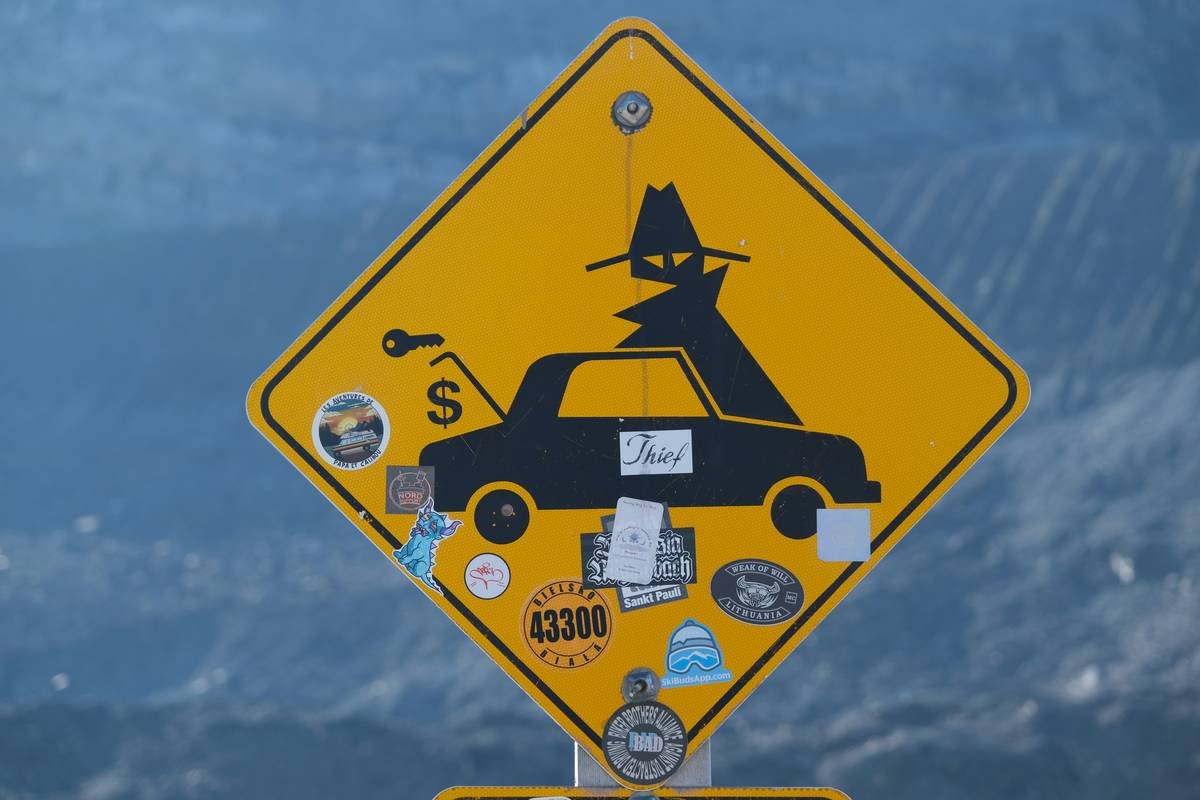
Ever returned to your car only to find shattered glass, rummaged seats, and your laptop—gone? You’re not alone. According to the FBI’s Uniform Crime Reporting Program, over 530,000 motor vehicles were burglarized in the U.S. in 2022—that’s more than one every minute. And here’s the kicker: nearly 80% of vehicle break-ins happen because something was left visible inside (NICB, 2023).
If you’ve ever tossed your gym bag in the back seat or left a GPS mounted on your dash “just this once,” this post is for you. As a personal finance advisor who’s helped clients recover from theft-related insurance claims—and once lost a camera worth $1,200 to a smash-and-grab myself—I’ve seen how quickly convenience turns into costly regret.
In this guide, you’ll learn exactly how to prevent vehicle burglaries using proven tactics rooted in insurance data, law enforcement advice, and real-world mistakes (yes, including mine). We’ll cover everything from smart parking habits to why your credit card benefits might secretly include anti-theft perks.
Table of Contents
- Why Do Vehicle Burglaries Happen So Often?
- Step-by-Step Guide: How to Prevent Vehicle Burglaries
- Best Practices Most People Ignore (But Shouldn’t)
- Real Case Studies: When Prevention Saved Thousands
- FAQs About Vehicle Burglary Prevention & Insurance
Key Takeaways
- Never leave valuables visible—even charging cables can signal hidden tech.
- Parking location matters more than your car alarm. Well-lit, monitored lots reduce risk by up to 63% (NHTSA).
- Your renters or homeowners insurance may cover stolen items from your car—but only if you have personal property coverage.
- Credit cards with purchase protection often cover stolen electronics if bought with the card.
- “I’ll just be a sec” is the #1 mindset that leads to theft. Lock it, even for 30 seconds.
Why Do Vehicle Burglaries Happen So Often?
Vehicle burglaries aren’t about your car—they’re about opportunity. Thieves aren’t casing luxury SUVs; they’re scanning for easy targets. A backpack on the passenger seat? A shopping bag in the trunk? To them, that’s code for “there’s more.”
I learned this the hard way five years ago. After a photo shoot, I left my camera bag under a light jacket in the back seat—thinking, “It’s not obvious.” Wrong. Within 20 minutes, someone smashed the rear window, grabbed it, and vanished. The repair cost $420. The camera? $1,200. My deductible? $500. And my sense of security? Totally gone.
The truth is, most vehicle burglaries are crimes of impulse, not planning. Per the National Insurance Crime Bureau (NICB), over 60% occur during daylight hours, often in residential neighborhoods or busy parking lots where people assume “it won’t happen here.”
Step-by-Step Guide: How to Prevent Vehicle Burglaries
Do I Really Need to Hide My Phone Charger?
Optimist You: “Absolutely! Chargers, cables, and mounts signal electronics.”
Grumpy You: “Ugh, fine—but can I at least leave the AirPods case?”
No. If it plugs in, hides data, or holds value, stash it.
Step 1: Perform the “Walk-Around Check” Every Time
Before locking your car, circle it. Check:
- Glove compartment (locked?)
- Center console (closed?)
- Trunk (empty of shopping bags, boxes, or luggage)
- Sun visors (no hidden cash or cards)
Yes, it takes 15 seconds. But it beats filing an insurance claim.
Step 2: Park Like a Pro—Not Just Conveniently
Avoid:
– Dark alleys
– Unmonitored street parking near dense foliage
– “Out-of-sight” spots in big lots (thieves love blind corners)
Instead:
– Choose lots with cameras or attendants
– Park under streetlights or near building entrances
– Use apps like SpotAngels or ParkWhiz that rate safety features
Step 3: Use Your Insurance & Credit Card Benefits Wisely
Many don’t realize their renters or homeowners insurance covers personal property stolen from a vehicle—up to policy limits. For example, if your laptop is stolen and you have $20K in personal property coverage, you’re likely protected (minus deductible).
Even better? Premium credit cards like Chase Sapphire Reserve® or Amex Platinum offer purchase protection for 90–120 days. If you bought that stolen tablet with your card, you might get reimbursed—no police report needed in some cases.
Best Practices Most People Ignore (But Shouldn’t)
- Never assume “nothing valuable” = safe. Thieves steal registration docs to commit identity fraud. They’ll take loose change to fund their next hit.
- Tint your windows legally. In most states, front side windows must allow >70% VLT (Visible Light Transmission), but rear windows can be darker—deterring snoopers.
- Install a steering wheel lock—not for security, but deterrence. They won’t stop a pro, but 90% of smash-and-grabs are by opportunists who move on if it looks harder.
- Use tracking apps. Apple’s Find My or Samsung SmartThings can help locate stolen devices—even if wiped.
- File a police report immediately. Required for insurance claims and helps local crime mapping.
The Terrible Tip You Should NEVER Follow
“Leave a fake wallet with expired cards as bait.” Nope. This wastes police time, may encourage repeat targeting, and could violate local laws. Don’t play detective—prevent, don’t provoke.
Rant Section: My Pet Peeve
Why do people Instagram their road trips with shots of their packed trunk wide open?! “Adventure awaits!” Sure—along with every petty thief within a 5-mile radius. Tag your sunset, not your gear. Seriously.
Real Case Studies: When Prevention Saved Thousands
Case 1: Maria K., Austin, TX
Maria always kept her work laptop in her locked glove box. One night, her car was broken into at a grocery store. The thief took nothing—because nothing was visible. Her insurer confirmed: had the laptop been out, she’d have faced a $1,000 deductible. Instead? $0 loss.
Case 2: James R., Portland, OR
James used his Capital One Venture X card to buy a $900 drone. When it was stolen from his car (left in a case on the back seat—his mistake), he filed a claim through Capital One’s purchase protection. Reimbursed in 10 days. No police report required.
These aren’t flukes—they’re outcomes of awareness + leveraging financial tools correctly.
FAQs About Vehicle Burglary Prevention & Insurance
Does car insurance cover stolen items from my vehicle?
No. Standard auto policies (comprehensive coverage) only cover damage to the car itself—not personal belongings. Those fall under your homeowners or renters insurance.
What should I do immediately after discovering a break-in?
1) Don’t touch anything (preserve evidence)
2) Call police and get a report number
3) Contact your homeowners/renters insurer
4) Notify your credit card company if cards were stolen
Can I get a discount on insurance for anti-theft devices?
Yes—some insurers (like State Farm or Allstate) offer 5–15% discounts for factory-installed alarms, GPS trackers, or immobilizers. Ask your agent!
Are newer cars less likely to be targeted?
For burglary? No. Thieves care about contents, not the car model. However, newer cars with keyless entry may be vulnerable to relay attacks—so store key fobs in a Faraday pouch.
Conclusion
Learning how to prevent vehicle burglaries isn’t about paranoia—it’s about smart habits backed by data, experience, and a little financial savvy. From hiding that innocent-looking tote bag to activating your credit card’s hidden protections, every action reduces your risk and potential out-of-pocket loss.
Remember: thieves target visibility, not value. If they can’t see it, they won’t break in. And if they do, make sure your insurance and credit card benefits have your back.
Lock it like it’s hot—even when you’re just running in for coffee.
Like a Tamagotchi, your car’s security needs daily attention. Feed it vigilance. Don’t let it die.