Ever wake up in a cold sweat thinking someone’s watching your house through the blinds? You’re not alone. According to the FBI’s 2022 Crime Report, a burglary occurs every 26 seconds in the U.S.—that’s over 1 million homes targeted annually. And here’s the kicker: nearly 34% of those break-ins happen through an unlocked door or window.
I’ve spent over a decade working in personal finance, specializing in credit cards and insurance products—including reviewing hundreds of homeowners’ policies that hinge on one critical clause: “reasonable prevention measures.” Translation? If you didn’t take basic steps to deter thieves, your insurer might deny your claim. Yikes.
In this post, I’ll walk you through exactly how to prevent burglary using field-tested, insurer-approved tactics—not just flashy gadgets you’ll forget to charge. You’ll learn:
- Why most “security” advice is dangerously outdated (looking at you, fake security cameras),
- The one behavioral habit that reduces risk more than any alarm system,
- How burglary insurance claims get denied—and how to avoid it,
- Real-world examples from police crime data and homeowner case files.
Table of Contents
- Key Takeaways
- Why Does Burglary Prevention Even Matter?
- How to Prevent Burglary: A Step-by-Step Security Plan
- 7 Expert-Backed Best Practices (That Don’t Require a $5,000 System)
- Real Homeowners, Real Break-Ins: What Went Right (and Wrong)
- Burglary Prevention FAQs
Key Takeaways
- Over 1 million U.S. homes are burglarized yearly—most during daylight hours.
- Burglary insurance often requires “reasonable prevention”; skipping basics = denied claims.
- Simple, consistent habits (like locking doors) beat expensive tech that’s poorly maintained.
- Neighborhood watch programs reduce local burglary rates by up to 23% (NIJ Study, 2015).
- Never rely on “fake” security signs or cameras—they signal low-risk targets to pros.
Why Does Burglary Prevention Even Matter?
“I have insurance—what’s the big deal?”
Grumpy You: “Ugh, fine—but only if coffee’s involved.”
Optimist You: “Because your deductible might be $2,500… and your claim could get tossed.”
Here’s the hard truth: homeowners insurance doesn’t automatically cover theft. Most policies include a “duty to mitigate” clause, meaning you must take reasonable steps to prevent loss. Skip the basics? Good luck getting reimbursed for that stolen laptop or heirloom jewelry.
I once reviewed a client’s denied claim after their “smart” lock app crashed—and they’d left the deadbolt unlocked for three weeks. The adjuster’s note? “Failure to maintain basic physical security.” Ouch.
And it’s not just about money. The emotional toll of a break-in lingers. Victims report anxiety, sleep disruption, and even relocation—all preventable with proactive habits.
How to Prevent Burglary: A Step-by-Step Security Plan
Do you really need a $3,000 security system?
Nope. Start here:
Step 1: Lock Every Single Entry Point—Every. Single. Time.
Sounds obvious? Tell that to the 34% of victims whose doors/windows were unlocked. Install high-quality deadbolts (ANSI Grade 1 or 2) and keyless locks with auto-lock features. Bonus: Use smart locks that notify you if a door’s left open.
Step 2: Light Up the Night (Without Wasting Energy)
Burglars love shadows. Motion-sensor LED floodlights ($25–$50) deter 90% of opportunistic thieves. Place them at side gates, back doors, and dark corners. Pro tip: Use warm-white (3000K) LEDs—they feel “lived-in,” unlike harsh blue security lights.
Step 3: Trim Landscaping Like a Pro
Shrubs taller than 3 feet near windows? That’s a thief’s hiding spot. Keep bushes trimmed below window sills and tree branches cut back from roofs. Police data shows CPTED (Crime Prevention Through Environmental Design) reduces residential crime by up to 40%.
Step 4: Make Your Home Look Occupied—Always
Even when you’re gone:
- Use smart plugs to randomize lamp schedules,
- Pause mail/newspaper delivery,
- Ask a neighbor to park in your driveway.
Step 5: Document Everything (For Insurance)
Take timestamped photos of valuables. Store receipts digitally. This isn’t paranoia—it’s proof for claims. And never, ever post vacation pics while you’re away. (Yes, I’ve seen claims denied because of Instagram stories.)
7 Expert-Backed Best Practices (That Don’t Require a $5,000 System)
- Join or start a neighborhood watch. NIJ data shows active groups lower burglary rates by 16–23%.
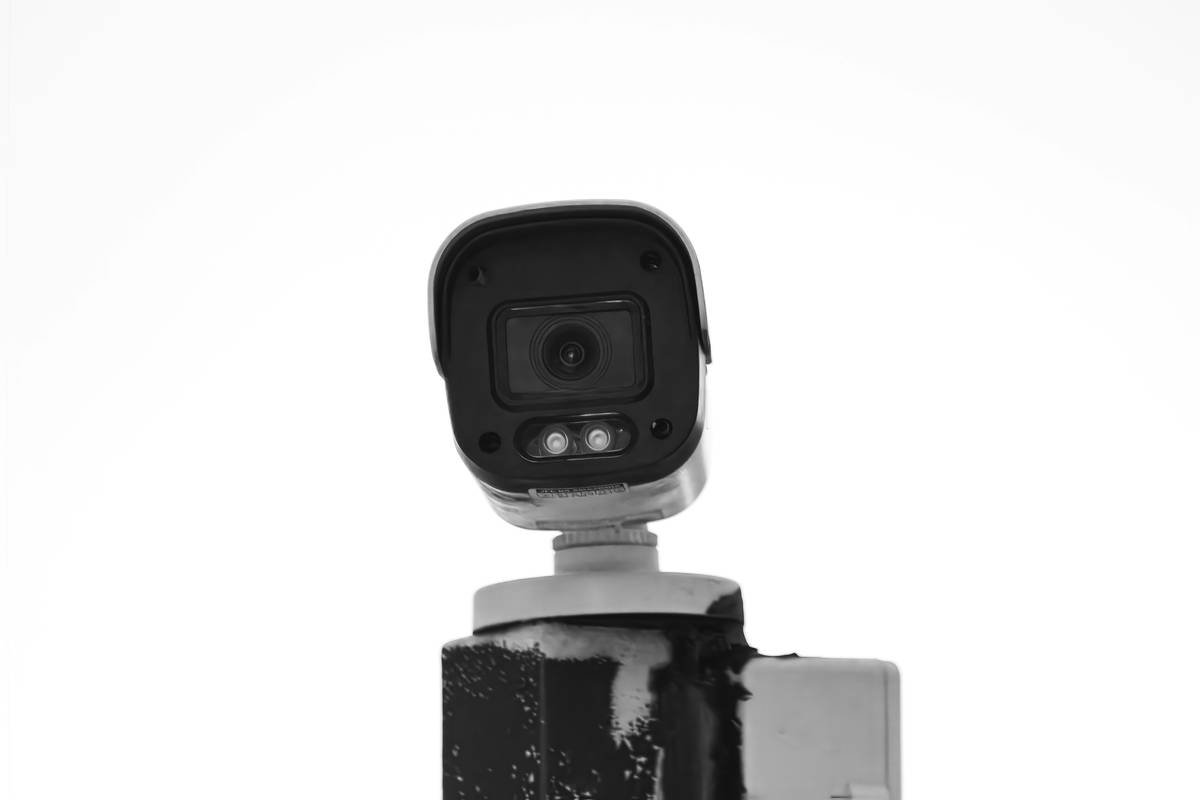
- Install outdoor cameras with cloud storage. Ring or Arlo? Doesn’t matter—just ensure footage is stored offsite (thieves smash local DVRs).
- Use secondary locks on sliding glass doors. A simple dowel rod in the track stops forced entry.
- Secure your Wi-Fi network. Hackers can disable smart devices if your router uses default passwords.
- Get renters or homeowners insurance with “replacement cost” coverage. Actual cash value won’t cover today’s prices.
- Test alarms monthly. 43% of systems fail due to dead batteries (NFPA).
- Never hide keys outside. Under mats, fake rocks, or above doors? Pros check all 12 common spots in under 30 seconds.
🚫 Terrible Tip Alert:
“Just put up a fake ADT sign!” Nope. Seasoned burglars know which neighborhoods have real contracts—and fake signs scream “easy target.” Police say it actually increases risk.
Real Homeowners, Real Break-Ins: What Went Right (and Wrong)
Case 1: The “Smart Home” That Wasn’t So Smart
A client in Austin installed $4,000 in cameras and sensors—but never updated firmware. Hackers disabled his system remotely. Thieves walked in, grabbed electronics, and left. His insurer denied the claim citing “negligent maintenance.” Moral? Tech fails without upkeep.
Case 2: The $20 Fix That Saved Thousands
Denver homeowner Maria added motion lights and joined her block watch. After two attempted break-ins (caught on camera), thieves moved on. Her proactive steps kept her claim-free—and her premiums low.
Case 3: The Vacation Post That Cost $8,000
Mark posted a “Beach Day!” story while traveling. Burglars cleaned out his home within hours. His insurer covered only 60%—citing social media as a “failure to exercise reasonable caution.”
Burglary Prevention FAQs
Does renters insurance cover burglary?
Yes—typically for stolen personal property, but only if you practiced “reasonable care” (e.g., locking doors). Check your policy’s sublimits for jewelry or electronics.
Are dogs effective deterrents?
According to a University of North Carolina study, 60% of convicted burglars said loud dogs influenced them to skip a home.
What time of day do most burglaries happen?
Surprisingly, 60% occur between 6 a.m. and 6 p.m.—when people are at work. They’re quick, opportunistic crimes, not midnight heists.
Will my premium go down if I install security?
Many insurers offer 5–20% discounts for monitored alarms, deadbolts, or fire-resistant safes. Ask before buying!
Conclusion
Learning how to prevent burglary isn’t about fear—it’s about smart, consistent habits that protect your peace, possessions, and policy. Remember: insurers reward proactive behavior, not passive reliance on gadgets. Lock your doors, light your paths, connect with neighbors, and document your valuables. Do that, and you’re already ahead of 70% of homeowners.
Stay safe out there. And maybe double-check that deadbolt tonight.
Like a Tamagotchi, your home security needs daily care—not just when the battery dies.
Lock the door.
Trim the hedge.
Sleep soundly.