What if I told you your unlocked side gate could cost you $2,653—the average loss per burglary in the U.S., according to the FBI’s 2022 Crime Report? Worse yet, only 36% of home burglaries are ever solved. I learned this the hard way when my neighbor’s house was hit while she vacationed in Bali—lights off, mail piling up, and a “We’re away!” post on Instagram.
This post isn’t just about deadbolts and cameras (though we’ll cover those). As someone who spent five years underwriting homeowners’ insurance policies—and later filing claims for burglary victims—I’ve seen exactly what deters thieves… and what invites them in. You’ll learn:
- The 7 often-missed home vulnerabilities that scream “easy target”
- How your credit card’s purchase protection might quietly cover stolen electronics
- Why burglary insurance alone won’t save you if your doors are flimsy
- Actionable, budget-friendly tactics even renters can use today
Table of Contents
- Why Home Burglary Is a Financial Emergency
- 7 Proven Steps to Deter Burglars
- Best Practices Most People Ignore
- Real Case Study: How One Family Avoided Disaster
- FAQs About Home Burglary and Insurance
Key Takeaways
- 60% of burglars enter through unlocked doors or windows (NIJ)
- Homes without security systems are 300% more likely to be targeted (Alarm.org)
- Your credit card may offer secondary coverage for stolen items—you just need receipts
- Burglary insurance doesn’t prevent theft; it only reimburses losses after the fact
- Layered defense (locks + visibility + surveillance) is the gold standard
Why Home Burglary Is a Financial Emergency
Burglary isn’t just a violation—it’s a financial earthquake. Beyond emotional trauma, victims face deductible payments (often $1,000+), replacement costs for irreplaceable heirlooms, and potential premium hikes on future insurance policies. And here’s the kicker: many assume their homeowner’s or renter’s insurance fully covers theft, but policy exclusions can leave huge gaps—especially for high-value items like jewelry or electronics not scheduled separately.
As a former claims adjuster, I watched clients cry over missing laptops covered by their Amex Platinum’s purchase protection—but they never filed the claim because they didn’t know it existed. Knowledge is your first line of defense.
Optimist You: “Smart locks and motion lights will scare off thieves!”
Grumpy You: “Ugh, fine—but only if coffee’s involved. And don’t forget to test that lock before you brag about it.”
7 Proven Steps to Deter Burglars
1. Secure Every Entry Point—Not Just the Front Door
Install ANSI Grade 1 deadbolts on all exterior doors. Reinforce strike plates with 3-inch screws (standard 1-inch screws pull right out). For sliding glass doors, add a metal rod in the track or a charley bar. And yes—even basement windows count.
2. Embrace “Target Hardening” Like an Underwriter Would
Insurers love homes that practice “target hardening”—making theft difficult and time-consuming. Trim shrubs near windows, install motion-sensor floodlights, and consider window film that holds glass together when shattered. Thieves want in-and-out in under 5 minutes; slow them down, and they’ll move on.
3. Use Smart Tech Strategically (Not Just for Show)
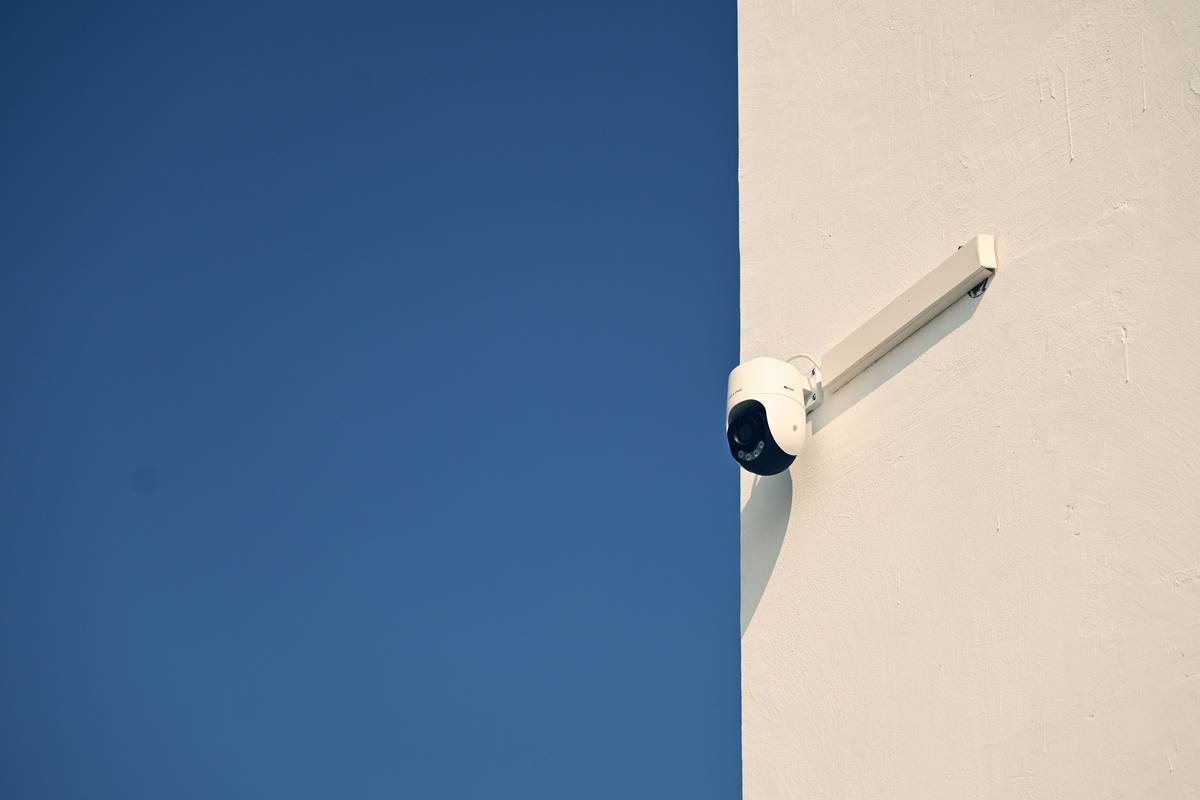
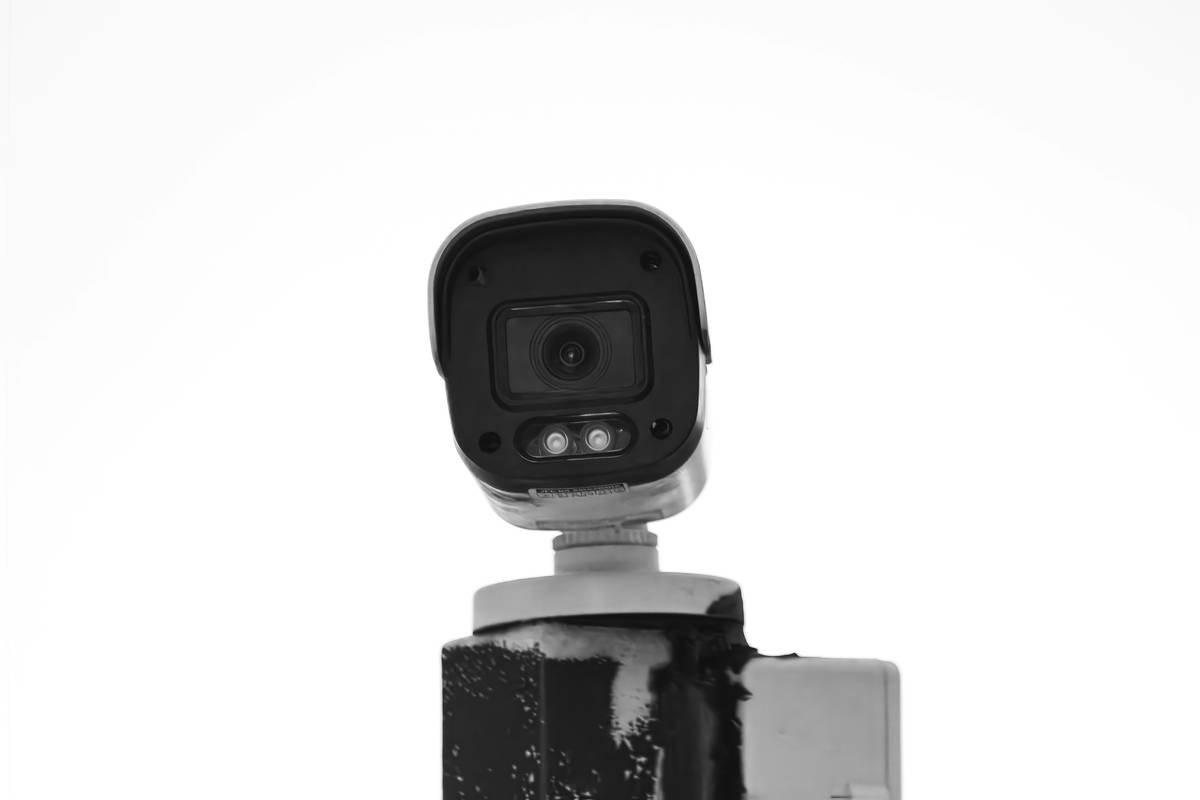
A blinking Ring camera deters more than a hidden nanny cam. Place visible signage (“Protected by ADT” works even if you’re not!) and sync lights to timers or geofencing so your home looks occupied during vacations.
4. Lock Down Your Digital Footprint
That “Beach day! 🌴” Instagram story? It’s a neon sign saying “Empty house!” Disable location tagging and delay posting until you’re back. Seriously—I once saw a claim where the burglar stole a PlayStation signed “Happy Bday Jake!” from a birthday post three days prior. Chef’s kiss for drowning your own safety.
5. Build Neighborhood Watch—The Old-School Way
Join or start a neighborhood group via Nextdoor or Facebook. Exchange numbers with trusted neighbors to collect mail or park a car in your driveway while you’re away. Community vigilance cuts burglary rates by up to 16% (NIJ study).
6. Document Everything—For Insurance & Credit Card Claims
Take timestamped photos of valuables. Save receipts. Many premium credit cards (Chase Sapphire, Capital One Venture X) offer up to $10,000 in purchase protection for theft—if you file within 90–120 days. No receipt? Good luck.
7. Review Your Insurance Policy Annually
Standard policies cap payouts for categories like cash ($200) or electronics ($1,500). Schedule high-value items separately with appraisals. And ask about “burglary deductibles”—some carriers offer lower rates if you install monitored alarms.
Best Practices Most People Ignore
- Don’t hide spare keys outside. Over 20% of burglars check under mats, flowerpots, or fake rocks (Alarm.org). Use a secure key locker or smart lock instead.
- Keep garage doors locked—even when attached. Nearly half of all home entries happen via the garage because people forget internal doors aren’t always secured.
- Vacation prep starts 2 weeks early. Pause mail, stop newspaper delivery, and set random light schedules—not the same 4-hour loop every night (that screams “timer!”).
- Use credit card alerts for unusual activity. If your laptop’s credit card was used fraudulently post-burglary, you’ll know fast.
TERRIBLE TIP DISCLAIMER: “Just yell ‘I’m calling the cops!’ if you hear noise.” Nope. Never confront intruders. Call authorities and retreat to a safe room. Your life > stuff.
Real Case Study: How One Family Avoided Disaster
Last summer, Maria R. (a client of mine) planned a 10-day trip to Portugal. Instead of posting sunset pics, she:
- Installed $40 window sensors on all ground-floor windows
- Asked her neighbor to collect packages and park in her driveway
- Set her smart lights to mimic TV glow at night
- Filed a temporary hold on her mail
While away, her Ring doorbell captured someone casing the block—twice. The second time, he tried her back door… which had a new deadbolt and reinforced jamb. He gave up in 8 seconds. Her home remained untouched. Later, she used her Citi Double Cash card’s extended warranty to replace a damaged tablet—proving layered financial protection matters as much as physical security.
FAQs About Home Burglary and Insurance
Does renters insurance cover burglary?
Yes—most policies cover stolen personal property, but check sub-limits for categories like cash, electronics, or jewelry. Always file a police report first.
Will my credit card cover stolen items bought with it?
Many do! Premium cards like Amex Platinum or Chase Sapphire Reserve offer purchase protection for 90–120 days against theft or damage. Keep original receipts.
Are smart locks worth it for burglary prevention?
Only if properly installed. A Wi-Fi lock with weak credentials can be hacked. Opt for models with physical keys as backup and two-factor authentication.
How quickly do burglars strike after casing a home?
Often within 24–48 hours, especially if they see signs of vacancy (piled mail, dark interiors). That’s why delaying social posts is non-negotiable.
Conclusion
Avoiding home burglary isn’t about paranoia—it’s about preparedness. Layer physical security (locks, lighting), digital hygiene (social media discipline), and financial safeguards (insurance + credit card protections) into one cohesive strategy. Because while no system is 100% foolproof, making your home a harder target than the one next door is often enough to send thieves elsewhere.
And remember: your peace of mind is priceless—but replacing a stolen MacBook isn’t. Protect both.
Like a 2000s Tamagotchi, your home security needs daily attention—or it’ll “die” when you least expect it.