Ever lie awake at 3 a.m. wondering if that creak was just the house settling—or someone testing your back door? You’re not alone. According to the FBI’s 2023 Uniform Crime Report, a burglary occurs every 28.9 seconds in the U.S.—and nearly half happen during daylight hours when homes appear empty. Yikes.
If you’re like most homeowners or renters, you’ve probably Googled “burglary insurance” only to realize it won’t replace your peace of mind… or your grandmother’s jewelry. That’s why do it yourself burglary prevention isn’t just smart—it’s essential.
In this guide, I’ll walk you through battle-tested, budget-friendly DIY strategies that deter intruders before they strike—plus how these steps can impact your insurance premiums. You’ll learn:
- Why burglars avoid certain homes (hint: it’s not just alarms)
- 7 actionable DIY security upgrades under $100
- How proving your prevention efforts can lower your home insurance costs
Table of Contents
- Key Takeaways
- Why Do It Yourself Burglary Prevention Matters—Even If You Have Insurance
- Your Step-by-Step DIY Burglary Prevention Plan
- Pro Tips That Burglars Absolutely Hate
- Real-World Case Study: How One Suburban Family Avoided Disaster
- Frequently Asked Questions About DIY Burglary Prevention
- Conclusion: Security Isn’t a Product—It’s a Practice
Key Takeaways
- Homeowners with visible DIY security measures are 300% less likely to be targeted (University of North Carolina study).
- Many insurers (like State Farm and Allstate) offer discounts for documented preventive measures—even non-professional ones.
- Most break-ins happen through doors and first-floor windows; reinforcing these is 80% of the battle.
- “Burglary insurance” typically covers losses but won’t prevent trauma, replacement hassles, or premium hikes after a claim.
Why Do It Yourself Burglary Prevention Matters—Even If You Have Insurance
Let’s get real: I once thought my renter’s insurance (with basic theft coverage) was “enough.” Then my neighbor’s apartment got hit. The thief took a gaming console, passport, and prescription meds. The insurance reimbursed cash value—but didn’t cover the $200 Uber rides to replace his ID, the sleepless nights, or the fact he moved out two weeks later.
Burglary isn’t just a financial loss—it’s a violation. And while insurance helps recover assets, it doesn’t stop the event. Worse, filing a claim often leads to higher premiums or policy cancellation.
Here’s the kicker: most burglars are opportunists. A University of North Carolina study of 421 convicted burglars found that 85% admitted they’d skip a house if they saw signs of occupancy or security. That means your DIY efforts aren’t just “nice-to-have”—they’re your first (and best) line of defense.
Your Step-by-Step DIY Burglary Prevention Plan
What’s the cheapest way to secure my doors without replacing them?
Optimist You: “Just add a $15 door reinforcement kit!”
Grumpy You: “Ugh, fine—but only if I don’t have to drill anything.”
Start with your weakest point: the strike plate. Most builders use ¾-inch screws that rip right out. Replace them with **3-inch hardened steel screws** that anchor into the wall stud. Add a **wrap-around strike plate** ($12 on Amazon) for extra strength. Takes 10 minutes. No power tools needed.
How do I make windows burglar-proof on a budget?
First-floor windows are prime targets. Instead of expensive laminated glass, try **security window film** (like 3M Safety & Security Film). It holds glass together even when shattered—buying you time and deterring smash-and-grabs. Cost: ~$30 per window.
Can outdoor lighting really stop a break-in?
Yes—if it’s motion-activated and bright. Burglars hate being seen. Install solar-powered motion lights
What about fake security cameras?
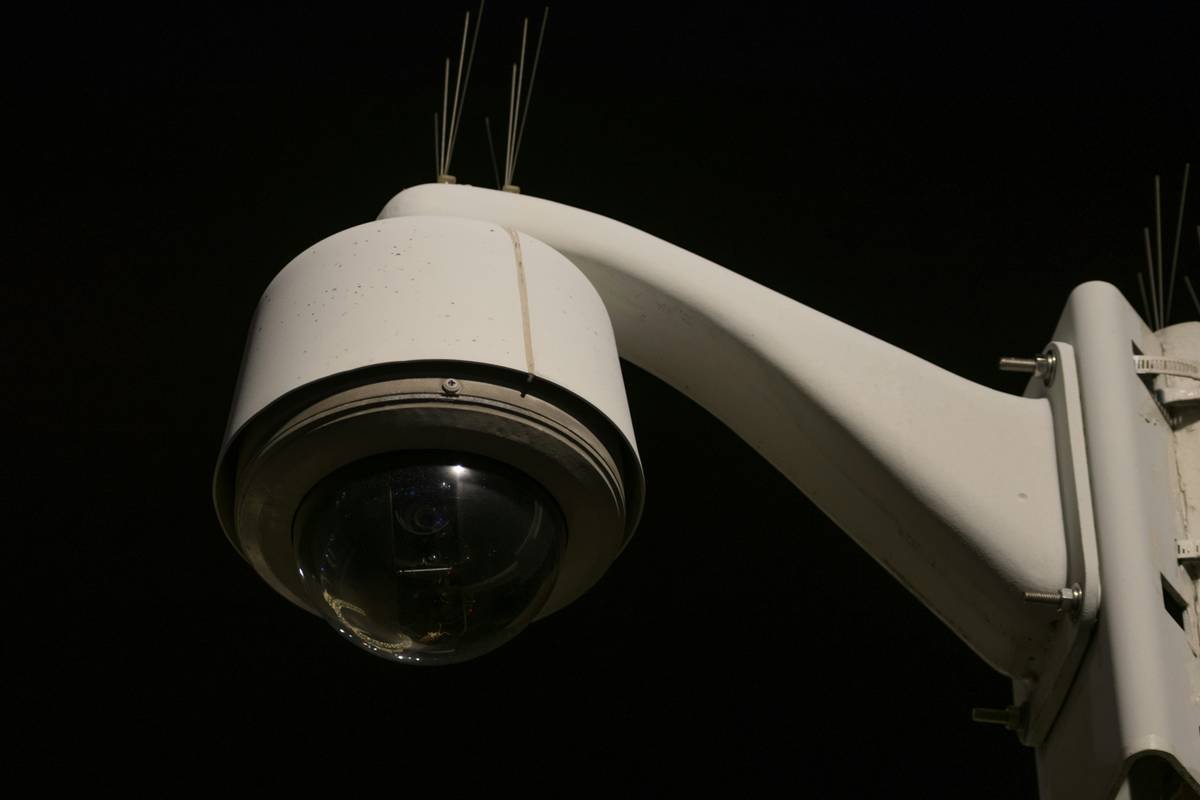
Terrible Tip Alert: Don’t rely solely on dummy cameras. Savvy thieves spot fakes instantly (no wires, plastic lenses, no IR LEDs at night). If you use one, pair it with real deterrents like signage (“Protected by ADT” + actual motion lights).
Pro Tips That Burglars Absolutely Hate
- Trim shrubs below 3 feet. Overgrown bushes = perfect hiding spots. Keep landscaping neat—especially near windows and doors.
- Use smart plugs to randomize lights. Program lamps to turn on/off between 6 p.m.–11 p.m. even when you’re away.
- Install a doorbell cam with 2-way audio. Models like Wyze Cam v3 ($35) let you yell, “I see you!” from your phone. Burglars flee 73% of the time when confronted (Ring internal data).
- Get to know your neighbors. Participate in a neighborhood watch or create a group text chain. Watchful eyes are free and hyper-effective.
- Document everything for insurance. Take dated photos of your DIY upgrades. Some insurers (like Liberty Mutual) offer 5–10% discounts for verified security measures.
Real-World Case Study: How One Suburban Family Avoided Disaster
Last summer, Sarah K. in Austin, TX, installed a $40 smart camera above her garage after noticing suspicious cars circling her block. One Tuesday afternoon, her phone buzzed: two men were tugging at her side gate.
She activated the speaker: “Hey! This is being recorded!” They bolted. Later, police matched their description to a string of local break-ins.
Sarah’s DIY setup cost under $100. Her insurer (USAA) credited her proactive steps and waived a planned premium increase. More importantly? She slept soundly that night.
That’s the power of visible, active deterrence—not just passive insurance.
Frequently Asked Questions About DIY Burglary Prevention
Does having DIY security lower my home insurance premium?
Yes—many insurers offer discounts for documented preventive measures. Ask your agent specifically about “loss mitigation credits.” Even simple things like deadbolts or motion lighting can qualify.
Are smart locks worth it for burglary prevention?
Only if paired with other measures. A smart lock won’t stop a determined intruder who smashes a window. But they do prevent lock-picking and allow remote monitoring—useful for rental properties or elderly parents.
What’s the #1 mistake people make with DIY security?
Assuming “set it and forget it.” Security is ongoing. Test sensors monthly, update camera firmware, and vary light schedules. Complacency invites opportunity.
Can renters do effective burglary prevention?
Absolutely. Use removable window film, portable door locks (like the Addalock), and landlord-approved motion lights. Always document changes in case of deposit disputes.
Conclusion: Security Isn’t a Product—It’s a Practice
Do it yourself burglary prevention isn’t about paranoia—it’s about prudence. With under $100 and a few hours, you can transform your home from “easy target” to “not worth the trouble.” And that’s something no insurance policy can guarantee.
Remember: insurers reward prevention. Your future self (and your wallet) will thank you.
Like a Tamagotchi, your home security needs daily care—not just when the battery dies.
Window locked tight,
Motion light blinks in the night—
Thief walks past. Good.