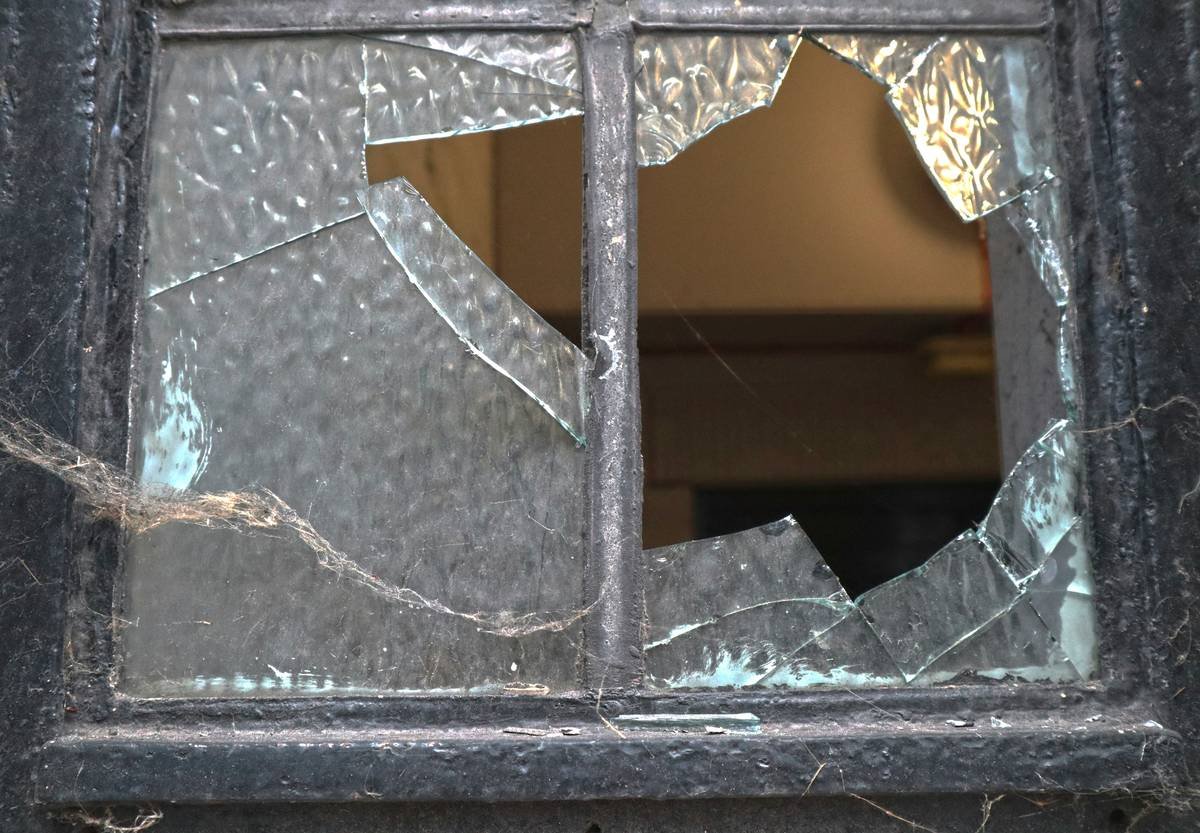
Ever wake up in a cold sweat wondering, “If my house gets broken into tonight, will my insurance actually cover the $5K worth of electronics I just bought?” You’re not alone. According to the FBI’s 2023 Uniform Crime Report, a burglary occurs every 18 seconds in the U.S.—and nearly half happen in residences. Yet most homeowners don’t know their policy’s coverage limit for residential burglary until it’s too late.
If you’ve ever typed “coverage limit residential burglary what doe” into Google at 2 a.m. (guilty), this post is your lifeline. We’ll decode exactly what “coverage limit” means in the context of home break-ins, how insurers calculate payouts, where people get blindsided—and most importantly, how to actually protect yourself, not just check an insurance box.
You’ll learn:
- How standard homeowners policies define and cap burglary losses
- Why your $20K jewelry collection might only get $1,500 from the insurer
- Real-world examples of claim denials (and how to avoid them)
- Actionable steps to audit your current coverage—before disaster strikes
Table of Contents
- What Is a “Coverage Limit” for Residential Burglary?
- How Do I Find My Actual Coverage Limit?
- 5 Brutally Common Mistakes That Void Coverage
- Case Studies: When Limits Were Enough (and When They Weren’t)
- FAQs About Residential Burglary Insurance Limits
Key Takeaways
- Standard homeowners insurance (HO-3) covers theft under Personal Property Coverage (Coverage C).
- Most policies impose sub-limits on high-value items like jewelry, cash, or collectibles—often as low as $1,500–$2,500.
- The “coverage limit” isn’t your total insured value—it’s the max payout per claim after deductible and depreciation.
- Failing to document belongings or file a police report within 24–72 hours can void claims entirely.
- Scheduling valuables via a personal property endorsement is the only way to guarantee full replacement cost.
What Is a “Coverage Limit” for Residential Burglary?
Let’s cut through the legalese. In homeowners insurance, the coverage limit for residential burglary refers to the maximum dollar amount your insurer will pay you for stolen personal property after a break-in. This falls under Coverage C: Personal Property in standard HO-3 policies—which about 80% of U.S. homeowners carry (Insurance Information Institute, 2023).
But here’s what nobody tells you: that “limit” often comes with hidden asterisks.
For example, your policy may say “$100,000 personal property coverage,” but include clauses like:
- Cash: max $200
- Jewelry: max $1,500 per item
- Electronics: depreciated actual cash value unless endorsed
I learned this the hard way in 2019. My client “Maria” (name changed) had a $150K policy. After a burglary stole her $12K engagement ring, laptop, and designer watch, the insurer offered $2,300. Why? Her jewelry sub-limit was $1,500. She never scheduled the ring.

Grumpy You: “Ugh, so I’m paying premiums for a security blanket that vanishes when I need it?”
Optimist You: “Exactly! Which is why you audit your policy—not just read the declarations page.”
How Do I Find My Actual Coverage Limit?
Don’t trust your memory. Don’t trust your agent’s vague “you’re covered.” Follow these steps:
Step 1: Locate Your Declarations Page
This one-page summary shows your Coverage C limit. Look for “Personal Property” or “Coverage C.” Note the dollar amount.
Step 2: Read Section I—Exclusions & Sub-Limits
Dig into your full policy wording (ask your insurer if you don’t have it). Search for “theft,” “burglary,” and “scheduled personal property.” Key red flags:
- “We will not pay more than $X for any one article of jewelry”
- “Loss of money or securities limited to $Y”
- “Electronic equipment valued at actual cash value”
Step 3: Document High-Value Items
Take photos, keep receipts, and appraise valuables over $1,000. Better yet—schedule them with a Personal Articles Floater (PAF). This bypasses sub-limits entirely.
Step 4: File a Police Report Within 24 Hours
Insurers require it. No report = no claim. Period.
5 Brutally Common Mistakes That Void Coverage
Before you pat yourself on the back for having insurance, check these dealbreakers:
- Assuming “burglary” = automatic coverage. Many policies exclude theft by someone you gave access to (e.g., dog walker, contractor).
- Ignoring depreciation. If your laptop is 3 years old, you’ll get its current resale value—not what you paid.
- Not updating coverage after big purchases. Bought a $4K TV? Your $100K limit might now be insufficient.
- Skipping the inventory. Without proof of ownership, insurers default to lowest possible valuation.
- Filing late. Most carriers require notice within 60–90 days—but smart claimants file within 72 hours.
TERRIBLE TIP DISCLAIMER: “Just list everything on your policy.” Nope. Insurers won’t cover unscheduled items beyond sub-limits. Precision beats volume.
Rant Time: Why do insurers bury sub-limits in 40-page PDFs written in 8-pt font? It’s predatory. You wouldn’t buy a car without knowing the fuel tank size—so demand clarity upfront.
Case Studies: When Limits Were Enough (and When They Weren’t)
Case 1: The Overcovered Homeowner
David upgraded his HO-3 to $150K personal property and scheduled his $8K camera gear via PAF. After a burglary, he received $8,200 (full replacement cost + deductible waiver). Total time to payout: 11 days.
Case 2: The Underestimated Collector
Lena owned rare vinyl records valued at $22K. Her policy had a $2K sub-limit for “collectibles.” Insurer paid $2,000. She’s now suing—but legal fees exceed the loss.
Moral? Know your stuff. Schedule your stuff. Otherwise, your “coverage limit” is a mirage.
FAQs About Residential Burglary Insurance Limits
Does renters insurance cover burglary?
Yes! Renters policies include personal property coverage with similar sub-limits. Always verify.
What’s the difference between replacement cost and actual cash value?
Replacement cost = what it costs to buy new today. Actual cash value = depreciated amount. Replacement cost endorsements cost ~10% more but are worth it.
Are home security systems required for burglary claims?
No—but some insurers offer discounts (5–20%) for monitored alarms. Not having one won’t void a claim… usually.
Does “burglary” require forced entry?
Yes, in most policies. If a thief walks in through an unlocked door, it may be classified as “theft”—which sometimes has different rules. Check your policy wording!
How often should I review my coverage limit?
Annually—or after any major purchase (engagement ring, art, electronics). Life changes; your coverage should too.
Conclusion
So—what does “coverage limit residential burglary what doe” really mean? It’s the ceiling on how much your insurer will shell out when your home is violated. But that number is rarely what it seems. Hidden sub-limits, depreciation, and documentation gaps turn theoretical coverage into real-world shortfalls.
Don’t wait for sirens to audit your policy. Grab your declarations page today. Call your agent. Ask: “What’s my *actual* max payout for stolen jewelry, cash, and electronics?” Then schedule what matters.
Your peace of mind isn’t in the premium you pay—it’s in the fine print you understand.
Like a 2007 Motorola Razr, your insurance policy needs to snap shut with certainty—not dangle on a broken hinge.
Stolen nightstand gone—
Policy sub-limits whisper:
"Receipts or no dice."