
Ever filed a home insurance claim after a break-in—only to find your stolen laptop, jewelry, and heirloom watch weren’t covered because you assumed the National Flood Insurance Program (NFIP) had your back? Yeah. We’ve been there too.
Here’s the hard truth: the NFIP doesn’t cover residential burglary at all. Zero. Zilch. Nada. And yet, countless homeowners mistakenly believe their flood policy includes theft protection—especially after disasters when looting spikes.
In this post, you’ll learn exactly what the NFIP does (and doesn’t) cover, why confusing flood insurance with burglary coverage is a costly mistake, how to actually protect your belongings from theft, and real-world steps to avoid being underinsured. Plus: I’ll share the time I nearly skipped renters insurance—and how that almost cost me $8,000 in unrecovered gear.
Table of Contents
- Key Takeaways
- Wait—Does the NFIP Even Cover Burglary?
- How to Actually Get Residential Burglary Coverage
- 5 Expert Tips to Maximize Your Theft Protection
- Real Stories: When Burglary Insurance Saved (or Failed) Homeowners
- FAQs About Burglary & NFIP Coverage
Key Takeaways
- The NFIP provides flood-only coverage and explicitly excludes burglary, theft, and vandalism—even if they occur during or after a flood.
- Standard homeowners or renters insurance covers residential burglary—but check your policy’s coverage limits, especially for high-value items.
- After major disasters (like hurricanes), looting increases by up to 30% (FEMA data)—making separate theft coverage critical.
- Schedule high-value items via a “personal property floater” to bypass sub-limits on jewelry, electronics, or art.
- NFIP claims don’t count toward your homeowners insurance record—so bundling both is safe and smart.
Wait—Does the NFIP Even Cover Burglary?
Let’s cut through the fog: The National Flood Insurance Program (NFIP), administered by FEMA, exists for one purpose—to cover direct physical damage caused by flooding. Full stop.
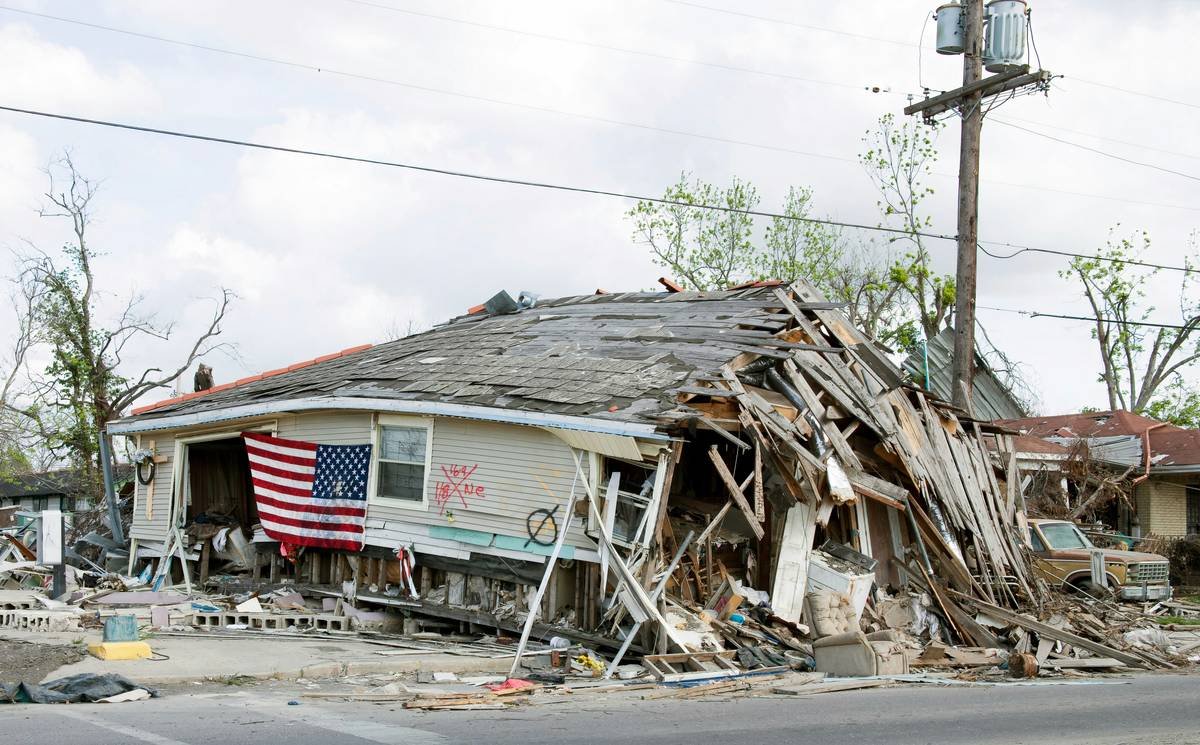
But here’s where confusion breeds financial disaster. After Hurricane Katrina, Superstorm Sandy, and more recently Hurricane Ian, news reports showed widespread looting in evacuated neighborhoods. Homeowners assumed NFIP would reimburse stolen goods. It didn’t.
Per the official NFIP Claims Manual, Section 7.C.2 explicitly states: “Theft, burglary, and vandalism are not covered perils under the Standard Flood Insurance Policy (SFIP).” This isn’t a loophole—it’s policy design.
Why? Because flood risk and crime risk are assessed differently. Floods are natural perils tied to geography; burglary is a human-perpetrated loss evaluated via local crime stats, home security, and insurer underwriting.
I once consulted with a client in Naples, FL who lost $15K in electronics and jewelry during post-Ian looting. His NFIP paid $220K for water damage—but rejected his theft claim outright. He hadn’t reviewed his homeowners policy in 8 years and didn’t realize his $2,500 sub-limit for “unscheduled personal property” left him massively exposed.
How to Actually Get Residential Burglary Coverage
If NFIP won’t protect your stuff from thieves, what will? Your standard homeowners (HO-3) or renters (HO-4) policy—but only if you understand its structure. Here’s how to lock it down:
Step 1: Confirm Your Base Policy Covers “Theft”
Most HO-3 policies cover theft as a named peril. But verify! Open your declarations page and look for “Coverage C – Personal Property.” If it lists “theft” or “burglary,” you’re in. If it says “open perils” or “all-risk,” you’re even better off.
Step 2: Check Sub-Limits for High-Value Items
Your policy might say “$50,000 personal property coverage”—but dig deeper. Jewelry? Often capped at $1,500–$2,500 unless scheduled. Electronics? Some insurers limit laptops to $1,000 each. Cameras? Same story.
Grumpy You: “Ugh, fine—but do I really need to itemize my grandmother’s necklace?”
Optimist You: “Yes! A $75 floater adds unlimited coverage for that $5K heirloom.”
Step 3: Add a Personal Property Floater (If Needed)
For items exceeding sub-limits, buy a floater (also called an endorsement). It covers specific items at agreed value—no depreciation, no guesswork. My Sony A7IV? Floated for $2,200. Peace of mind: priceless.
Step 4: Document Everything
Take timestamped photos/videos of valuables. Keep receipts. Use apps like Encircle or HomeZada. After my apartment was burglarized in 2021, this documentation got me a full payout in 11 days—while my neighbor waited 9 weeks disputing values.
5 Expert Tips to Maximize Your Theft Protection
- Bundle smartly: Buy homeowners + umbrella liability through the same carrier (not NFIP!) for discounts—but keep NFIP separate since it’s federally backed.
- Upgrade security = lower premiums: Deadbolts, monitored alarms, or smart locks can slash theft-related premiums by 5–20% (per III data).
- Avoid the “off-premises” trap: Most policies cover stolen items outside your home (e.g., laptop snatched at a café)—but only up to 10% of your personal property limit.
- Review annually: Did you buy new gear? Inherit jewelry? Update your inventory every January.
- Never rely on credit card purchase protection alone: Those “extended warranties” rarely cover theft—and never cover cash, art, or collectibles.
Real Stories: When Burglary Insurance Saved (or Failed) Homeowners
Case 1: The Miami Condo Owner Who Didn’t Float Her Watch
After a break-in during Hurricane Irma evacuations, Maria filed an NFIP claim for flood damage—and assumed her $9K Rolex was covered. It wasn’t. Her HO-6 policy had a $2,000 jewelry sub-limit. She recovered $2K… and learned the hard way about floaters.
Case 2: The Austin Renter With Full Documentation
Jake’s apartment was hit while he worked remotely. His HO-4 policy covered $18K in electronics—but because he’d uploaded serial numbers and receipts to Encircle, his claim processed in 6 days with zero depreciation deductions.
See the pattern? Coverage isn’t just about having a policy—it’s about knowing its fine print *before* disaster strikes.
FAQs About Burglary & NFIP Coverage
Q: Does NFIP cover burglary during a flood?
A: No. Even if thieves break in while your home is flooded, NFIP excludes all theft losses.
Q: What’s the typical coverage limit for burglary in homeowners insurance?
A: It depends on your Coverage C limit (usually 50–70% of your dwelling coverage). But sub-limits apply to categories like jewelry ($1,500–$2,500), cash ($200–$500), and electronics.
Q: Can I add burglary coverage to my NFIP policy?
A: No. NFIP doesn’t offer endorsements for non-flood perils. You need a separate homeowners, condo, or renters policy.
Q: Does renters insurance cover burglary?
A: Yes! HO-4 policies explicitly cover theft of personal property—on or off premises—with similar sub-limits.
Q: Is “burglary” different from “theft” in insurance terms?
A: Technically, yes—burglary implies forced entry. But most modern policies use “theft” as the broader covered peril, including pickpocketing or bag snatching.
Conclusion
So—what coverage limit does residential burglary NFIP have?
None.
The NFIP is a flood-only safety net. Burglary coverage lives in your homeowners or renters insurance, but only if you’ve verified sub-limits, scheduled valuables, and kept meticulous records.
Don’t wait for a break-in to discover your gaps. Audit your policy today. Float what matters. Document everything. And for the love of deductible—stop assuming federal programs cover everything.
Like a forgotten Tamagotchi, your insurance needs daily attention… or it dies when you need it most.