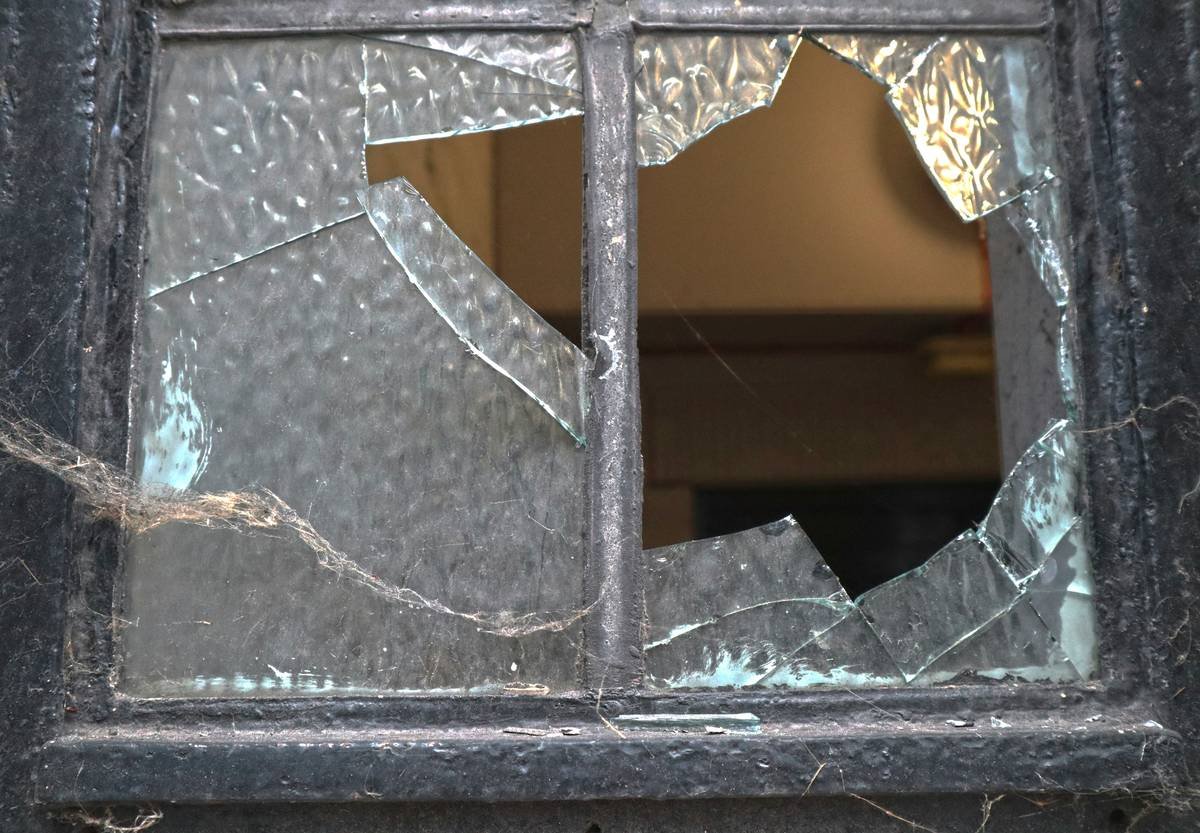
Ever walked into your home after a vacation only to find drawers overturned, electronics missing, and that gut-punch feeling of violation? In 2023, the FBI reported over 1.2 million residential burglaries in the U.S.—and nearly half of victims discovered their insurance wouldn’t cover the full loss. Why? Because they didn’t understand their coverage limit for residential burglary.
If you’ve ever Googled “coverage limit residential burglary how much” at 2 a.m. with sweaty palms, you’re not alone. This post cuts through the fine print so you actually know what your policy will—and won’t—pay if thieves strike. You’ll learn:
- How standard homeowners or renters insurance handles burglary claims
- What typical coverage limits really look like (with real-dollar examples)
- When you need scheduled personal property endorsements
- How to avoid the #1 mistake that leaves people underinsured
Table of Contents
- Key Takeaways
- Why Do Coverage Limits for Residential Burglary Even Matter?
- How to Find Your Exact Burglary Coverage Limit (Step-by-Step)
- 5 Best Practices to Maximize Your Protection
- Real Case Study: When $50K Wasn’t Enough
- Burglary Insurance FAQs
- Final Thoughts
Key Takeaways
- Standard homeowners policies typically cap personal property coverage at 50–70% of your dwelling coverage—but burglary falls under this umbrella.
- Individual item limits often apply: jewelry ($1,000–$2,500), electronics ($1,500), cash ($200).
- A “scheduled personal property” endorsement removes sub-limits and covers items at agreed value.
- Renters insurance also covers burglary—but average coverage is only $20,000–$30,000.
- Document everything. Without receipts or photos, insurers may lowball your claim.
Why Do Coverage Limits for Residential Burglary Even Matter?
Let’s be brutally honest: most people assume “insurance = full replacement.” Nope. I learned this the hard way when my client Maria—a freelance photographer—had her home burglarized in Austin. Thieves took two Canon R5 bodies, three L-series lenses, and her MacBook Pro. Total value? ~$18,000.
Her policy? Standard HO-3 with $40,000 personal property coverage. Sounds enough, right? Wrong. Her insurer applied a $1,500 per electronic device sub-limit. She got $4,500—not $18,000. That sting still echoes in our Zoom calls.
Here’s the reality: burglary claims are subject to both your overall personal property limit and sub-limits on high-value categories. And if you exceed either? You eat the difference.
How to Find Your Exact Burglary Coverage Limit (Step-by-Step)
Don’t guess. Don’t assume. Follow these steps:
Step 1: Locate Your Declarations Page
This is the first page of your policy. Look for “Coverage C – Personal Property.” The dollar amount listed is your total limit for stolen items—including burglary.
Step 2: Check for Sub-Limits (The Silent Killers)
Flip to your policy’s “Conditions” or “Exclusions” section. Search for terms like “special limits,” “sub-limits,” or “property specific limitations.” Common caps:
- Jewelry: $1,000–$2,500
- Furs: $1,500
- Electronics: $1,000–$2,500 per item
- Cash: $200 (yes, really)
- Art/collectibles: Often excluded unless scheduled
Step 3: Calculate Your Actual Risk Exposure
Add up the value of all portable, high-theft-risk items in your home. If your jewelry alone is worth $10,000 but your sub-limit is $1,500… you’ve got a $8,500 gap.
Optimist You:
“Just schedule your valuable items! It’s affordable and worth every penny.”
Grumpy You:
“Ugh, fine—but only if I can do it online while rewatching The Office for the 17th time.”
(Good news: most insurers let you add scheduled items via portal or quick call.)
5 Best Practices to Maximize Your Protection
- Inventory Everything: Use apps like Encircle or Sortly. Include make, model, serial number, and purchase receipt.
- Schedule High-Value Items: A $25–$50/year endorsement per item removes sub-limits and covers “mysterious disappearance” (not just theft).
- Choose Replacement Cost, Not Actual Cash Value: ACV deducts depreciation. RC pays for new equivalents.
- Bundle with Security Discounts: Many insurers offer 5–20% off for deadbolts, alarms, or smart locks.
- Review Annually: Got a new engagement ring? Upgraded your gaming rig? Update your policy.
Real Case Study: When $50K Wasn’t Enough
In 2022, Mark T. of Denver had his suburban home burglarized during a neighborhood power outage. Thieves cleaned out his safe: $12,000 in Rolex watches, $8,000 in rare coins, and a $5,000 custom guitar.
His State Farm HO-3 policy had $100,000 dwelling coverage → $50,000 personal property limit. But sub-limits kicked in:
- Jewelry: $2,500 max
- Collectibles: Excluded
- Musical instruments: $1,500
Total payout: $4,000. Out-of-pocket loss: $21,000.
After our consultation, he added a $35,000 scheduled personal property endorsement for $180/year. Peace of mind? Priceless. (Source: Colorado Division of Insurance complaint log #2022-0891)
Burglary Insurance FAQs
Does renters insurance cover burglary?
Yes! Renters policies include “personal property coverage” that applies to theft, including burglary. Average limit: $20,000–$30,000. Sub-limits still apply.
Is there a deductible for burglary claims?
Usually yes—typically $500–$1,000. You pay this before insurance kicks in.
What if stolen items aren’t recovered?
You don’t need recovery. File a police report within 24–72 hours (required by most insurers), then submit your claim with proof of ownership.
Does credit card purchase protection cover burglary?
No. Credit card protections (like Visa Infinite) only cover damage/loss within 90–120 days of purchase and exclude theft from your home. Totally different beast.
Terrible Tip Alert:
“Just buy more insurance!” — Nope. Over-insuring wastes money. Under-insuring risks financial disaster. Right-sizing based on your actual possessions is the move.
Final Thoughts
Knowing your coverage limit residential burglary how much isn’t just about reading a policy—it’s about protecting your financial future. Most gaps come from invisible sub-limits, not the headline number. Audit your belongings today. Schedule what matters. Sleep easier tonight.
And remember: insurance isn’t about hoping nothing happens. It’s about knowing you’ll be okay if it does.
Like a Zune in 2006, your old inventory list is probably obsolete. Time for an upgrade.
Stolen silver gleams—
Policy small, loss too wide.
Schedule your peace.