Ever wake up in a cold sweat wondering if your front door latch actually clicked locked last night? You’re not alone. The FBI reports that a burglary occurs every 28 seconds in the U.S.—and nearly 60% happen during daylight hours, often while homeowners are at work. Yikes.
If you’ve got valuables, sentimental keepsakes, or just want to sleep without replaying your security checklist like a broken Alexa loop—you need more than hope and a “Beware of Dog” sign.
In this post, I’ll walk you through 7 actionable burglary prevention strategies that go beyond window stickers and flimsy deadbolts. As someone who’s reviewed hundreds of home insurance claims (and once had my own garage ransacked for vintage guitar pedals—RIP ‘78 Strat), I’ll show you what *actually* deters thieves, saves money on insurance premiums, and gives peace of mind that doesn’t cost $500/month.
You’ll learn:
- Why most DIY security fails (and how to avoid it)
- The #1 mistake homeowners make that invites break-ins
- How smart lighting can cut your risk by 43%
- Which insurance discounts you’re probably missing
Table of Contents
- Why Burglary Prevention Matters More Than You Think
- 7 Burglary Prevention Strategies That Really Work
- Best Practices for Maximizing Security & Savings
- Real Case Study: How One Family Slashed Their Risk
- Burglary Prevention FAQs
Key Takeaways
- Over 58% of burglars enter through doors—reinforce yours with Grade 1 deadbolts.
- Homes without security systems are 300% more likely to be targeted (UNC Charlotte Study).
- Strategic outdoor lighting + motion sensors reduce nighttime break-ins by up to 43%.
- Many insurers offer 5–20% discounts for verified anti-theft measures—ask!
- “Fake” security cameras don’t work; real ones deter 60% of would-be intruders.
Why Burglary Prevention Matters More Than You Think
Let’s be brutally honest: burglary isn’t just about stolen TVs or laptops. It’s trauma. It’s violated trust. It’s spending weeks filing police reports while your insurer asks, “Did you lock the side gate?” like you forgot to recycle your yogurt cup.
I’ve sat across kitchen tables with clients whose homes were hit—watched them cry over stolen heirloom jewelry or family photos. And here’s the kicker: most break-ins could’ve been prevented with simple, low-cost upgrades.
Consider this: According to the National Institute of Justice, burglars spend less than 60 seconds casing a house. They’re not master thieves—they’re opportunists looking for weak spots. Poor lighting? Unsecured windows? Overgrown shrubs near entry points? That’s your home waving a neon “Welcome!” sign.
And before you think, “My neighborhood’s safe,” remember: crime follows convenience, not zip codes. A well-lit, visibly secured home is skipped—even in “high-risk” areas.
7 Burglary Prevention Strategies That Really Work
1. Upgrade Your Door Hardware (Yes, Even the Back One)
Optimist You: “I’ll install a smart lock!”
Grumpy You: “Ugh, fine—but only if it doesn’t require recharging like my AirPods.”
Here’s the reality: 58% of forced entries happen through doors. Slap a $10 deadbolt from a big-box store on a hollow-core door? That’s like using sticky notes as locks. Invest in:
- Grade 1 ANSI-certified deadbolts (e.g., Schlage B60)
- Reinforced strike plates with 3-inch screws (anchors into wall studs)
- Door jammers for sliding glass doors (like the Nightlock)
2. Light Up Like a Concert Stage
Thieves hate attention. Motion-sensor LED floodlights near all entry points (garage, back door, side gates) disrupt their rhythm. Bonus: Solar-powered models = no wiring, no bill.
3. Trim Those Shrubberies (Seriously)
I once saw a claim where thieves hid behind a 7-foot boxwood for 20 minutes waiting for the homeowner to leave. If landscaping provides cover within 3 feet of windows or doors—prune it.
4. Install Visible (Real) Security Cameras
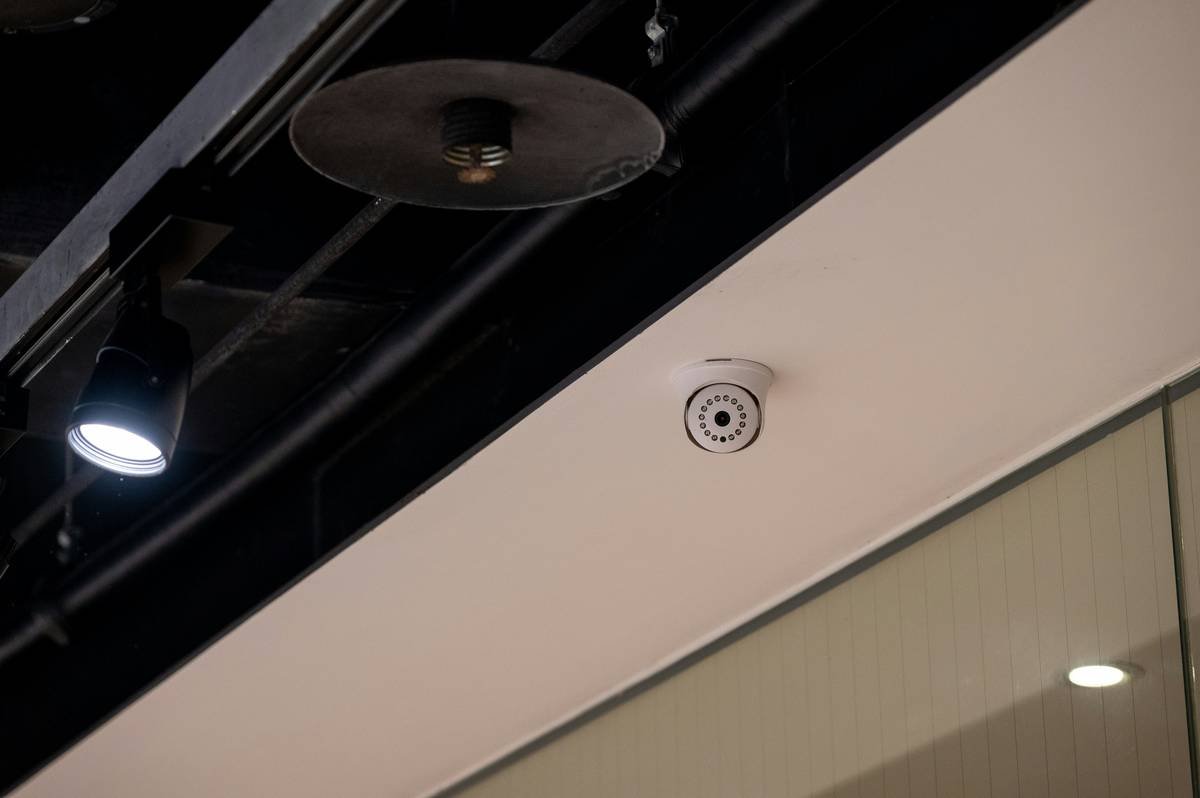
Fake dome cameras? Useless. A Rutgers University study found real, active surveillance systems deter 60% of potential offenders. Go for brands with cloud backup (so footage survives a smash-and-grab).
5. Get Smart With Timers
Use smart plugs to randomize lamp/TV usage when you’re away. Apps like TP-Link Kasa mimic human patterns—no more “every night at 7 PM” predictability.
6. Secure Your Garage Like a Vault
Your garage is a goldmine: tools, bikes, cars. Always disengage the manual release when leaving. And never leave remotes in cars parked outside!
7. Talk to Your Insurer About Discounts
Many companies—State Farm, Allstate, USAA—offer 5–20% off homeowners or renters insurance for verified security systems, deadbolts, or alarm monitoring. Just ask. Seriously. I’ve seen clients save $300/year simply by submitting receipts.
Best Practices for Maximizing Security & Savings
Don’t fall for these common traps:
- Never advertise vacations on social media. That sunset pic? Posted while you’re gone = open invitation.
- Avoid hiding spare keys under mats or fake rocks. Cops say it’s the first place thieves look.
- Document your belongings. Use apps like Encircle to catalog valuables—makes claims faster and more accurate.
- Join or start a neighborhood watch. Communities with active watches see 16–26% fewer crimes (National Crime Prevention Council).
🚫 Terrible Tip Alert:
“Just get a dog!” — Yes, dogs help. But unless it’s trained or loud, many burglars bring treats to distract them. Don’t rely solely on Fido.
🔥 Rant Corner:
Why do hardware stores sell “security film” for windows that peels off like cheap tape? Real laminated security glass costs more—but stops smash-and-grabs cold. Stop pretending Scotch tape makes you safe.
Real Case Study: How One Family Slashed Their Risk
Last year, my friend Lena in Austin upgraded her 1990s ranch-style home after a neighbor’s break-in. She spent under $800:
- Installed two motion-sensor floodlights ($60)
- Added a Ring Video Doorbell + two outdoor cams ($250)
- Replaced all exterior door locks with Grade 1 deadbolts ($200)
- Trimmed hedges blocking front windows ($0—DIY weekend project)
Result? Her Allstate agent gave her a 12% discount on homeowners insurance—and her neighborhood hasn’t had a single attempted break-in since. She told me: “It’s not paranoia. It’s preparation.”
Burglary Prevention FAQs
Does renters insurance cover burglary?
Yes! Most policies cover personal property stolen in a break-in (minus your deductible). But coverage varies—review your policy or ask your agent.
Are smart locks secure?
High-end models (August, Yale) use bank-grade encryption. Avoid obscure brands with no firmware updates—they’re hackable. Always enable two-factor authentication.
How much can I save on insurance with security systems?
Typically 5–20%, depending on insurer and system type. Monitored alarms usually yield bigger discounts than self-monitored.
Do window sensors really work?
Yes—especially on ground-floor windows. Pair them with an audible alarm that sounds inside AND outside the home.
Conclusion
Burglary prevention isn’t about turning your home into Fort Knox. It’s about eliminating temptation through smart, affordable layers of defense. Reinforce doors. Light dark corners. Use tech wisely. Talk to your insurer. And for the love of all that’s sacred—stop leaving spare keys in fake sprinkler rocks.
When you combine physical deterrents with insurance-smart habits, you don’t just protect your stuff—you reclaim your peace of mind. And that’s worth way more than any discount.
Like a Tamagotchi, your home security needs daily care—not just panic upgrades after someone else gets hit.
Burglar tiptoes near
Lights flash—motion sensor wakes
Peace stays. Home holds strong.