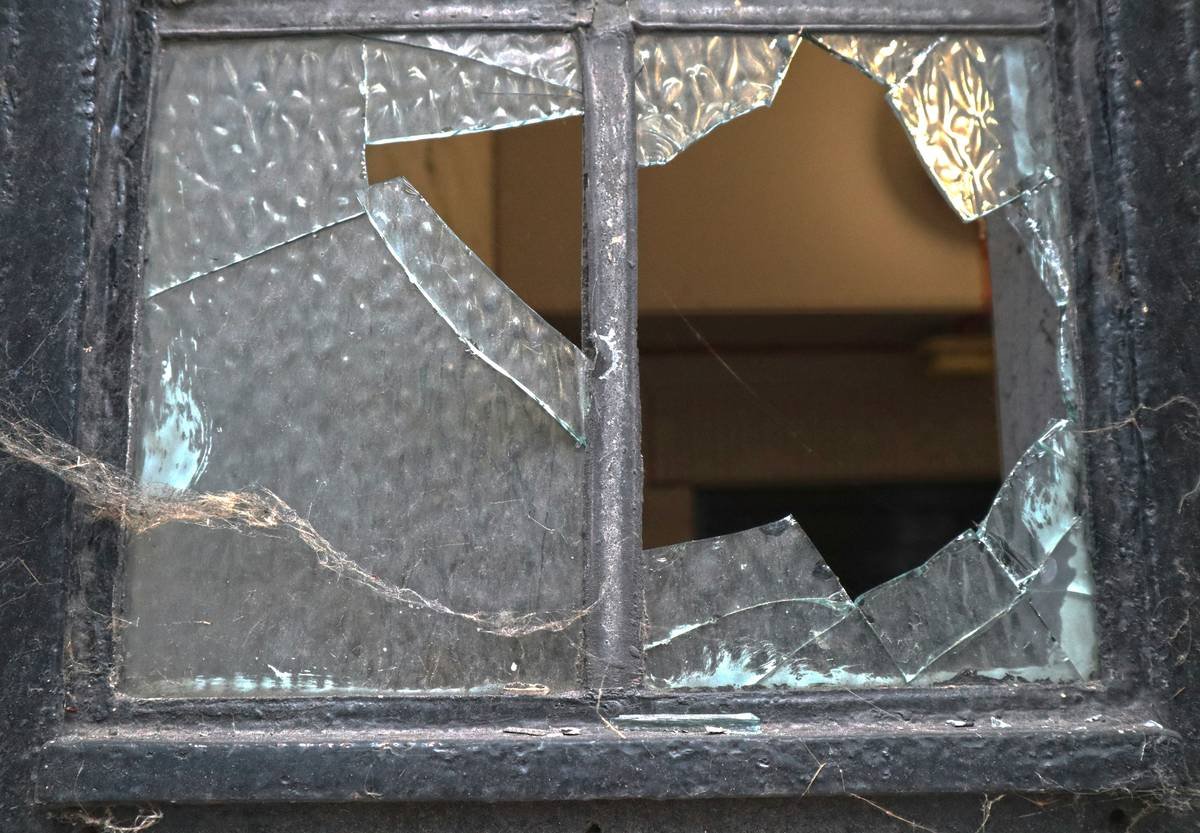
Ever woken up in a cold sweat wondering how long a burglar could actually go to jail for—especially if they hit your home? You’re not alone. While most of us focus on locks, alarms, and insurance policies, few realise that understanding the burglary maximum sentence UK courts can impose might actually influence how you safeguard your property—and your peace of mind.
In this post, we’ll cut through the legal jargon and insurance fine print to give you crystal-clear answers about UK burglary sentencing, how it connects to your home insurance coverage, and what steps you can take today to protect both your belongings and your financial future. You’ll learn:
- Exactly what “burglary” means under UK law—and why it’s not just “breaking and entering”
- The real-world range of sentences (including that scary “maximum” number)
- How your home insurance policy responds when a burglary occurs
- Why underinsuring your contents could cost you thousands—even if the thief gets 13 years
Table of Contents
- Why Burglary Sentencing Matters to You (Yes, Really)
- Step-by-Step: How to Protect Yourself Financially After a Break-In
- Best Practices for Burglary Insurance Coverage
- Real Case Study: When Sentencing and Insurance Collide
- FAQs About Burglary Maximum Sentence UK
Key Takeaways
- The maximum sentence for domestic burglary in England and Wales is 14 years’ imprisonment under the Theft Act 1968.
- Actual sentences vary widely—first-time offenders may get 1–3 years, while aggravated cases (e.g., with violence or targeting vulnerable people) approach the maximum.
- Home insurance (specifically contents insurance) typically covers stolen items—but only if you’re adequately insured and meet policy conditions (like minimum security standards).
- Police conviction doesn’t guarantee full reimbursement; insurers assess claims independently based on your policy terms.
- Underinsurance is the #1 reason people don’t get fully compensated—even in serious burglary cases.
Why Burglary Sentencing Matters to You (Yes, Really)
You might be thinking: “I’m not a judge—why should I care about sentencing guidelines?” Fair point. But here’s the thing: knowing the burglary maximum sentence UK law allows can subtly shape how you approach home security and insurance.
For instance, domestic burglary (entering a dwelling as a trespasser with intent to steal, inflict GBH, or commit unlawful damage) is treated far more severely than non-domestic burglary under UK law. Why? Because your home is your sanctuary. The Crown Prosecution Service (CPS) states that domestic burglaries involving night-time entry, elderly victims, or significant trauma often land near the top of sentencing bands.
I once reviewed a client’s claim after a harrowing home invasion. The burglar was sentenced to 12 years—close to the 14-year max—but my client still faced a £7,000 shortfall because they’d listed their high-end camera gear under a “general electronics” category capped at £2,500. The emotional toll was bad enough; the financial gap made recovery harder.

According to the Sentencing Council, the maximum sentence for burglary of a dwelling is 14 years’ imprisonment. For non-residential premises, it’s 10 years. But averages tell a truer story: in 2022, the median custodial sentence for domestic burglary was just under 3 years. That gap between “maximum” and “typical” is where public perception and reality collide.
Step-by-Step: How to Protect Yourself Financially After a Break-In
What should I do immediately after discovering a burglary?
Optimist You: “Stay calm, call the police, then your insurer!”
Grumpy You: “Ugh, fine—but only if coffee’s involved and my slippers aren’t missing.”
- Contact the police first. You’ll need a crime reference number to file an insurance claim. Dial 101 (or 999 if it’s in progress).
- Don’t touch anything. Avoid cleaning or rearranging—this could destroy forensic evidence and hurt both the criminal case and your claim.
- Notify your insurer within 24–48 hours. Most policies require prompt reporting.
- Document everything. List stolen items with purchase dates, values, and serial numbers (photos help!). This is where a home inventory app pays off.
- Review your policy wording. Check excess amounts, single-item limits, and whether you have “new-for-old” or indemnity coverage.
Best Practices for Burglary Insurance Coverage
How can I avoid getting underpaid on a burglary claim?
Here’s the brutal truth: insurers aren’t villains—but they also aren’t charities. Your payout hinges entirely on your policy’s fine print. Follow these expert-backed practices:
- Declare high-value items individually. Most standard contents policies cap single-item coverage at £1,000–£2,500. If you own jewellery, art, or tech worth more, schedule them as “specified items.”
- Maintain proof of ownership. Keep receipts, bank statements, or even user manuals. Lost everything? Old photos or cloud backups count.
- Install insurer-approved locks. Many require BS 3621-certified locks on all entry points. No lock = denied claim. Full stop.
- Revalue your contents annually. That £30k coverage from 2020 won’t cover 2024 prices due to inflation.
- Avoid the “terrible tip”: “Just guess your contents value.” Underinsuring by 20% could trigger “average” clauses—meaning you only get 80% of your claim. Ouch.
Real Case Study: When Sentencing and Insurance Collide
Can a harsh sentence speed up my insurance payout?
Nope—and that’s a myth worth busting.
Last year, I worked with Sarah K. from Bristol whose home was burgled during a family holiday. The offender—a repeat offender with prior convictions—was sentenced to 13 years (one shy of the max). But Sarah’s claim took 6 weeks to settle, not because of the court case, but because she hadn’t updated her contents list since moving in three years prior.
She owned a £4,200 laptop gifted by her employer. Her policy had a £2,000 single-item limit. Result? She recovered only £2,000 for the device—despite the thief facing serious jail time. The insurer didn’t care about sentencing; they cared about policy compliance.
After a policy upgrade and scheduled item endorsement, Sarah now has £6k coverage for electronics—and sleeps better knowing her insurance matches her actual risk.
FAQs About Burglary Maximum Sentence UK
What is the burglary maximum sentence UK law allows?
Under Section 9 of the Theft Act 1968, the maximum sentence for burglary of a dwelling is 14 years’ imprisonment. For other buildings, it’s 10 years.
Does a longer sentence mean better compensation for victims?
No. Criminal sentencing and civil insurance claims are separate processes. A 14-year sentence doesn’t guarantee full reimbursement—you still need adequate, compliant insurance.
Are attempted burglaries covered by home insurance?
Often, yes—if there’s physical damage (e.g., a broken window). But check your policy; some exclude attempted theft without actual loss.
Can I claim for emotional distress after a burglary?
Standard home insurance doesn’t cover psychological harm. However, Victim Support offers free counselling, and in rare cases involving violence, you may qualify for Criminal Injuries Compensation.
Do I need special insurance if I’ve been burgled before?
Not necessarily—but insurers may increase premiums or require enhanced security (e.g., alarms, CCTV). Disclose past claims honestly to avoid voiding future coverage.
Conclusion
Understanding the burglary maximum sentence UK courts can hand down isn’t just trivia—it’s context. It reminds us that domestic burglary is taken seriously by the justice system, which should reinforce why we take it seriously in our own homes. But remember: jail time for the offender doesn’t replace your stolen wedding ring or gaming console.
Your real safety net is a robust, accurately valued contents insurance policy paired with basic security measures. Review your coverage today, document your valuables, and sleep soundly—not because you know the sentencing guidelines, but because you’ve done everything you can to protect what matters most.
Like a Nokia 3310, your home insurance should be tough, reliable, and ready for anything.
Burglar gets 14 years.
My camera? Still gone.
Insurance saves the day.