
Ever walked into your home after a trip and felt that gut-punch of dread—drawers yanked open, electronics missing, your grandmother’s jewelry box gone? You’re not alone. Over 300,000 burglaries were reported in the U.S. in 2022 alone, according to the FBI’s Uniform Crime Reporting Program. And here’s the kicker: nearly half of renters don’t have renters insurance, leaving them financially exposed if thieves strike.
If you’re wondering whether “burglary insurance coverage” actually exists as a standalone policy—or how your existing home or renters insurance handles theft—you’ve landed in the right spot. In this post, I’ll pull back the curtain on what burglary insurance really covers, where it falls short, and how to avoid getting burned when filing a claim. You’ll learn:
- How standard policies define “burglary” vs. “theft”
- Which high-value items need scheduled personal property endorsements
- Real-world claim pitfalls (yes, I’ve seen clients denied over a faulty window latch)
- Exactly how to document belongings before disaster strikes
Table of Contents
- Why “Burglary Insurance” Isn’t a Standalone Policy
- How to Get Real Burglary Insurance Coverage
- 5 Non-Negotiable Tips to Maximize Your Claim
- When Burglary Insurance Coverage Failed: Real Case Studies
- Burglary Insurance Coverage FAQs
Key Takeaways
- There’s no standalone “burglary insurance”—coverage comes through homeowners or renters policies.
- Burglary requires forced entry; simple theft may not be covered unless specified.
- High-value items like jewelry, art, or electronics often exceed default sub-limits—schedule them separately.
- Poor documentation is the #1 reason claims get reduced or denied.
- Always verify your deductible and actual cash value vs. replacement cost coverage.
Why “Burglary Insurance” Isn’t a Standalone Policy (And Why That Matters)
Let’s clear up a myth right now: you can’t buy “burglary insurance” by itself. No insurer sells it as a solo product. Instead, protection against burglary comes bundled inside standard homeowners, renters, or condo insurance policies under “personal property coverage.”
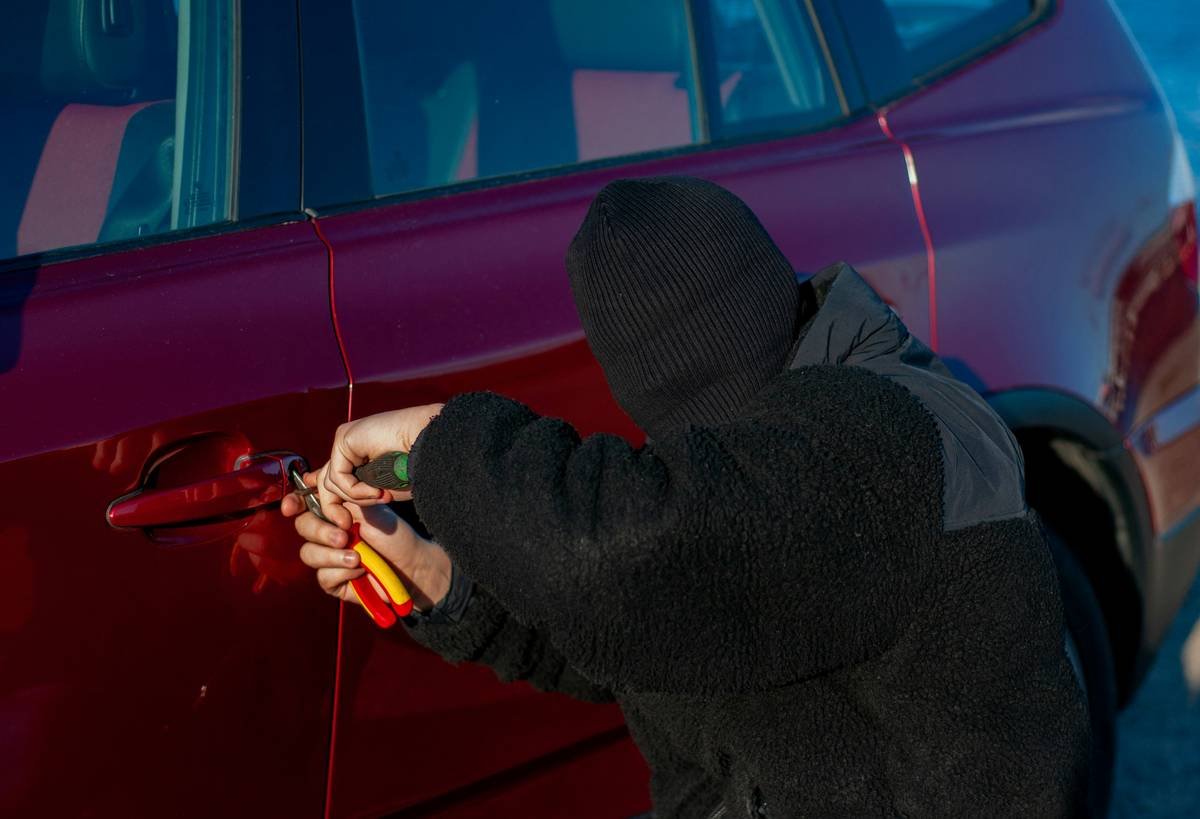
But—and this is critical—not all theft is treated equally. Most policies distinguish between theft and burglary. Burglary typically requires visible signs of forced entry (e.g., broken window, pried door). If someone walks off with your laptop from a coffee shop? That’s theft—but your renters insurance might still cover it, depending on your policy wording.
The real trap? Sub-limits. Standard policies cap reimbursements for categories like jewelry ($1,000–$2,500), electronics ($1,500), or cash ($200). If your $8,000 engagement ring gets stolen during a break-in, you’ll only recover a fraction unless you added a scheduled personal property endorsement.
How to Get Real Burglary Insurance Coverage That Actually Pays Out
Want your claim approved without headaches? Follow these steps—straight from my decade handling insurance claims as a licensed agent in California.
Step 1: Confirm Your Policy Covers “Theft of Personal Property”
Check your declarations page. Look for “Coverage C – Personal Property.” This section outlines what’s protected—including losses from burglary. But read the fine print: some older HO-2 policies only cover named perils (like fire or wind), while HO-3/HO-4 (standard today) cover “open perils,” including theft.
Step 2: Schedule High-Value Items Separately
Got a Rolex? A vintage guitar? Artwork worth more than $2,500? Add them via an endorsement (also called a “floater”). This removes sub-limits and often provides “agreed value” coverage—meaning you get paid the appraised amount, no depreciation.
Step 3: Choose Replacement Cost Over Actual Cash Value
ACV = what your stuff is worth today (minus depreciation). Replacement cost = what it costs to buy new. Yes, it costs 10–15% more in premiums—but it’s worth every penny. That 5-year-old TV? ACV might give you $150. Replacement cost? $600.
Step 4: Document Everything—Before Anything Happens
Take photos. Keep receipts. Use apps like Encircle or Sortly to catalog belongings. One client lost $12K in camera gear—got fully reimbursed because she had serial numbers and purchase dates saved in iCloud.
Step 5: File a Police Report Immediately
Most insurers require a police report within 24–72 hours to validate a burglary claim. Don’t skip this—it’s non-negotiable.
5 Non-Negotiable Tips to Maximize Your Burglary Insurance Claim
- Never say “I think” in your claim: Be specific. “My MacBook Pro 16-inch, serial #C0123456789, purchased June 2022 for $2,499” beats “my laptop got stolen.”
- Keep digital backups off-site: Cloud storage > USB drive in your desk drawer (which also got stolen).
- Review your policy annually: Life changes—new purchases, home renovations—mean your coverage needs change too.
- Ask about deductible buy-downs: Some insurers let you lower your deductible for theft claims (e.g., from $1,000 to $500) for a small premium bump.
- Don’t wait to file: Most policies require claims within 60–180 days. The clock starts ticking the moment you discover the loss.
When Burglary Insurance Coverage Failed: Real Case Studies
Case 1: The Unlocked Window Debacle
A San Diego renter filed a claim after thieves entered through an unlocked bedroom window. His insurer denied coverage, citing “failure to maintain reasonable security.” Moral? Always lock doors/windows—even if you’re just stepping out for coffee. Policies often contain “negligence” clauses.
Case 2: The Undocumented Heirloom
An Austin homeowner lost her mother’s diamond necklace in a break-in. She estimated its value at $10,000 but had no appraisal or photos. The insurer paid only the $1,500 jewelry sub-limit. A pre-loss appraisal would’ve changed everything.
Case 3: The Crypto Crash
A Seattle tech worker had $40K in cryptocurrency on a stolen laptop. His insurer refused the claim: “digital assets not covered under personal property.” Most policies exclude crypto unless specifically endorsed.
Burglary Insurance Coverage FAQs
Does renters insurance cover burglary?
Yes—if you have a standard HO-4 policy. It covers personal property losses due to burglary, fire, vandalism, and other named perils. But check your deductible and sub-limits.
Is burglary covered if there’s no forced entry?
Sometimes. “Mysterious disappearance” (e.g., items vanish with no sign of break-in) may not qualify as burglary. However, many modern policies cover “theft” broadly—even without forced entry—as long as it’s not excluded.
How much does adding scheduled personal property cost?
Typically 1–2% of the item’s insured value per year. Insuring a $10,000 watch? Expect $100–$200 annually—far cheaper than losing it uninsured.
Can I get burglary insurance for my home office equipment?
Yes, but business equipment often has lower sub-limits (e.g., $2,500). If you run a serious home business, consider a business owner’s policy (BOP) or inland marine coverage.
What if my credit card was stolen during a burglary?
Your liability for fraudulent charges is usually $0 thanks to federal law—but report it immediately to your bank. The physical card loss itself isn’t covered by home/renters insurance, but stolen laptops or wallets containing cards are.
Conclusion
Burglary insurance coverage isn’t magic—it’s about smart planning, precise documentation, and understanding your policy’s fine print. There’s no standalone “burglary insurance,” but your existing homeowners or renters policy likely includes robust theft protection… if you’ve structured it correctly. Schedule high-value items, choose replacement cost, lock your windows, and keep receipts like they’re golden tickets. Do that, and you’ll turn a nightmare scenario into a manageable recovery.
Optimist You: “I’m going to update my home inventory tonight!”
Grumpy You: “Ugh, fine—but only if I can do it with wine and jazz.”
Terrible Tip Disclaimer: “Just tell your insurer you lost everything—it’s easier.” Nope. Fraudulent claims lead to policy cancellation, lawsuits, or worse. Always be accurate.
Rant Section: I swear, the phrase “It’s covered under my homeowners insurance” makes me twitch. People assume coverage is universal. It’s not. Read. Your. Policy.
Like a 2004 Motorola Razr, your insurance shouldn’t flip-flop when you need it most.
Home safe,
Keys turned,
Policy read—peace found.