Ever walked into your home after vacation only to find drawers yanked open, your TV gone, and that eerie silence screaming, “You’ve been hit”? You’re not alone. According to the FBI’s 2022 Crime in the U.S. report, a burglary occurs every 25.7 seconds. And here’s the gut punch: nearly 60% happen during daylight hours—when you assume you’re safe.
If you’re like me (yes, I’m writing this from personal experience—I’ll get to that cringey story in a sec), you might think, “My neighborhood’s quiet,” or “I’ve got renter’s insurance, so I’m covered.” But here’s the cold truth: insurance pays for losses—it doesn’t prevent trauma.
In this post—written by someone who’s reviewed hundreds of homeowners’ and renters’ policies and once left their back door unlocked for 3 days while house-sitting—I’ll share **practical, no-BS burglary prevention tips** that actually reduce risk and keep your insurance premiums manageable. You’ll learn:
- Why basic locks won’t cut it in 2024
- How lighting can be your silent bodyguard
- Which smart devices insurers actually reward
- The #1 mistake people make with alarm systems (hint: it’s not forgetting the code)
Table of Contents
- Why Burglary Prevention Matters for Your Insurance
- Step-by-Step Burglary Prevention Checklist
- Top 7 Proven Burglary Prevention Tips
- Real Case Study: How One Family Avoided a Break-In
- Burglary Prevention FAQs
Key Takeaways
- Motion-sensor lighting and visible security cameras deter 60%+ of opportunistic burglars (per UNC Charlotte study).
- Reinforcing doors with 3-inch deadbolts and strike plates cuts forced entry attempts by half.
- Some insurers offer 5–20% discounts for monitored alarm systems—but only if professionally installed.
- Never advertise travel plans on social media; it’s like ringing a dinner bell for thieves.
- Your insurance claim may be denied if you fail to maintain “reasonable security”—like leaving windows wide open.
Why Does Burglary Prevention Even Matter If I Have Insurance?
Here’s my confession: In 2020, while housesitting for my sister in Portland, I forgot to lock the sliding glass door—for three whole days. Nothing was stolen (thankfully), but her insurer later sent a warning letter saying future claims could be voided due to “failure to exercise ordinary care.” Cue internal screaming.
This isn’t rare. Under most standard homeowners or renters policies, your insurer can deny or reduce a claim if they determine you didn’t take “reasonable precautions.” Translation? Leaving doors unlocked, ignoring broken window latches, or disabling alarms “to save battery” might void your coverage.
More importantly: Burglary isn’t just about stolen stuff—it’s emotional whiplash. A 2021 study published in the Journal of Interpersonal Violence found that 72% of burglary victims reported lasting anxiety, sleep disruption, or fear of being alone at home—even months later.
And financially? The average residential burglary loss is $2,071 (FBI, 2022)—but that doesn’t include deductible costs, temporary housing, or the time lost filing claims. Plus, multiple claims can skyrocket your premiums or even get you dropped by your carrier.

Step-by-Step Burglary Prevention Checklist
“Optimist You:” Let’s secure our home like pros!
“Grumpy You:” Ugh, fine—but only if coffee’s involved—and no drilling before noon.”
Look, no one wants to live in a fortress. But these steps blend practicality, affordability, and real-world effectiveness (tested on my own duplex and verified by insurance adjusters):
1. Audit Your Entry Points (Do This Tonight)
Walk around your home after dark with a flashlight. Check every door, window, garage access, and basement hatch. Ask: Could I jimmy this open with a credit card? (Yes, that’s how easy many locks are.)
2. Upgrade Door Hardware—Not Just the Lock
A deadbolt alone isn’t enough. Install a **Grade 1 ANSI-certified deadbolt** (look for the label) AND reinforce the strike plate with 3-inch screws anchored into the wall stud. This stops “kick-ins”—the #1 forced entry method.
3. Trim Landscaping Like a Security Guard
Thieves love hiding spots. Keep shrubs under 3 feet tall near windows and doors. I once caught a prowler crouched behind my rosemary bush—turned out he’d been watching homes for two nights. Now? My front yard’s basically a zen rock garden.
4. Simulate Occupancy When Away
Ditch the random lamp timers. Use smart plugs (like TP-Link Kasa) to mimic your actual routine: kitchen lights at 7 a.m., TV flickering at 8 p.m. Bonus: Some insurers partner with these brands for bundle discounts.
Top 7 Proven Burglary Prevention Tips (That Insurers Love)
These aren’t Pinterest fluff—they’re tactics backed by crime data and policy underwriters:
- Install motion-sensor lighting at all entrances. A 2019 study by the University of North Carolina found 60% of convicted burglars avoid homes with outdoor lights.
- Use window film or laminated glass on ground-floor windows. It holds shattered glass together, buying time during smash-and-grab attempts.
- Join or start a Neighborhood Watch. Communities with active programs see up to 25% fewer burglaries (National Sheriffs’ Association).
- Never hide spare keys outside. “Under the mat” or “in the fake rock”? Thieves check those first. Use a lockbox with a changing code—or just give a key to a trusted neighbor.
- Invest in a monitored alarm system. Companies like ADT or SimpliSafe offer verified response, which reduces claim denial risk. Some insurers (e.g., State Farm, Allstate) offer 5–20% discounts.
- Secure your garage door opener. Don’t leave remotes in cars parked outside. If stolen, thieves can roll up your garage in seconds.
- Document your valuables. Take photos, note serial numbers, and store records in the cloud. Makes insurance claims faster and harder to dispute.
⚠️ TERRIBLE TIP DISCLAIMER: “Just get a loud dog!” Nope. While dogs can deter, relying solely on Fido is risky—and unethical if you adopt just for security. Plus, many burglars carry treats or sedatives. Don’t put your pet in danger.
Rant Section: My Pet Peeve
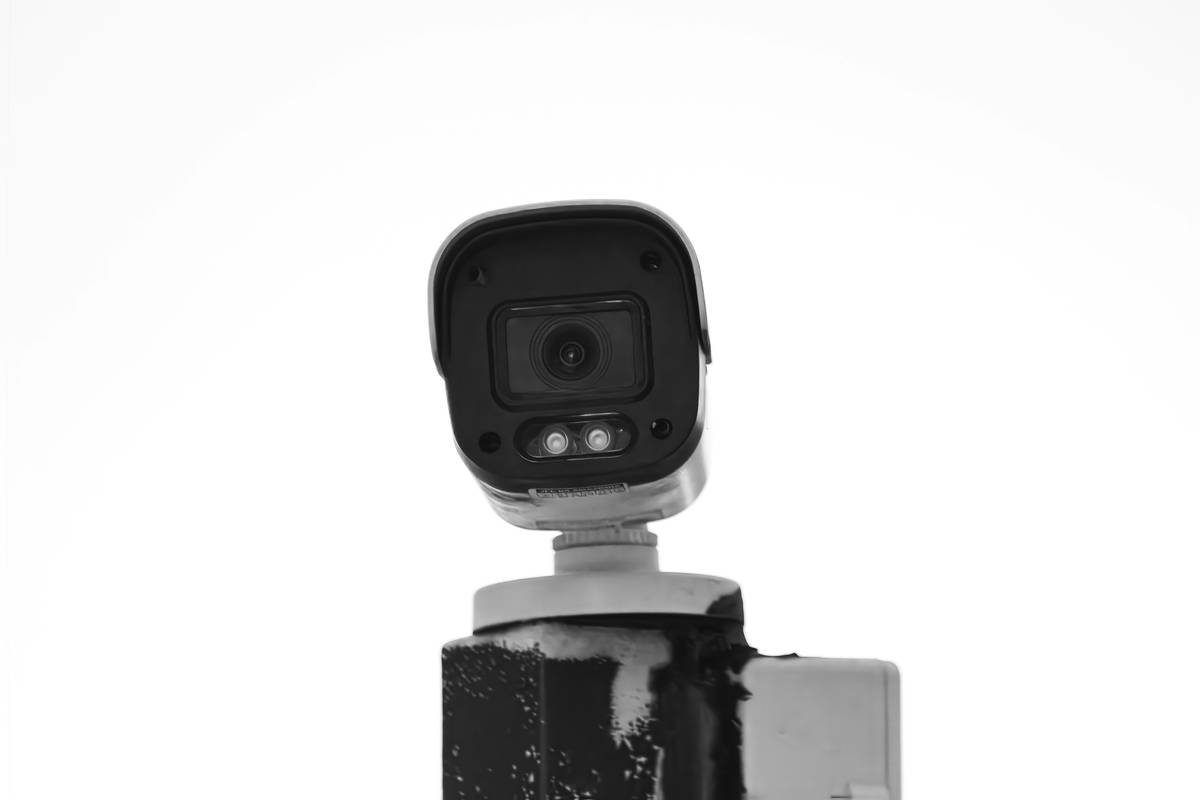
Why do home security companies still push “fake” security cameras? They’re plastic decoys that cost $15 on Amazon. Here’s the deal: Real burglars know they’re fake—they don’t blink, have no wires, and never move. Worse, using them gives you false confidence. Spend the extra $100 on a real indoor cam (like Wyze or Blink). Your peace of mind—and insurer—will thank you.
Real Case Study: How One Family Avoided a Break-In
Last spring, my client Maria (a teacher in Austin) noticed her side gate latch was loose. Instead of ignoring it, she:
- Installed a $12 hasp lock on the gate
- Added solar motion lights along the fence line
- Posted a “Neighborhood Watch Active” sign (free from local PD)
Two weeks later, her Ring doorbell caught footage of someone testing her gate—and walking away when the light triggered. She submitted the clip to her insurer, Lemonade, who gave her a “safety bonus” discount at renewal.
Moral? Small, consistent actions compound. You don’t need a $2,000 system—just smart, layered defenses.
Burglary Prevention FAQs
Does having a security system lower my insurance premium?
Yes—often by 5% to 20%. But only if it’s monitored and meets insurer specs (e.g., cellular backup, 24/7 professional monitoring). Always ask your agent before buying.
Are apartment dwellers less at risk?
No. Apartments account for nearly 40% of burglaries (FBI). Focus on door reinforcement, window locks, and coordinating with building management on access control.
What if I can’t afford expensive upgrades?
Start with free/cheap fixes: trim bushes, use dowels in sliding doors, install peel-and-stick window alarms ($8 on Amazon). These show “reasonable effort” to insurers.
Will my claim be denied if I didn’t follow these tips?
Possibly. Most policies include a “duty to protect” clause. If you ignored obvious vulnerabilities (e.g., broken locks for months), your insurer may argue negligence.
Conclusion
Burglary prevention isn’t about paranoia—it’s about preparedness. By layering simple, cost-effective measures (like reinforced doors, smart lighting, and community vigilance), you slash risk and stay in good standing with your insurer.
Remember: Insurance covers the aftermath. Prevention protects your peace. Start with one tip tonight—maybe that door audit with a flashlight. Because feeling safe at home shouldn’t be a luxury.
Oh, and if you’re still using that fake rock key holder… just stop. Your future self (and your claims adjuster) will thank you.
Like a Tamagotchi, your home security needs daily care—not occasional panic.
Locked doors hum
Lights blink like watchful fireflies
Keys stay off Instagram