
Did you know that a burglary occurs every 30 seconds in the U.S.? That’s over 1 million homes targeted annually—according to FBI Crime Data Explorer (2023). And while most people think “It won’t happen to me,” I once left my front window unlocked during a weekend getaway… only to return to ransacked drawers and a stolen laptop. My mistake? Assuming my quiet suburban street was “safe enough.”
If you’re reading this, you’re likely looking for practical, forward-thinking ways to secure your home in 2025—not just with gadgets, but with financial safeguards like burglary insurance and smart credit card benefits that actually cover losses.
In this guide, you’ll discover:
- Why traditional home security isn’t enough without proper insurance backing
- How certain premium credit cards offer hidden theft protection perks
- 7 actionable home safety strategies for 2025 that blend tech, behavior, and coverage
- Real cost breakdowns: what burglary insurance really covers (and what it doesn’t)
Table of Contents
- Why Is Home Safety in 2025 Different?
- Your Step-by-Step Home Safety Upgrade Plan
- Best Practices for Burglary Prevention + Insurance Alignment
- Real Case Study: When Insurance (and a Credit Card) Saved the Day
- FAQs: Home Safety Strategies 2025
Key Takeaways
- Burglary insurance is often bundled into homeowners or renters policies—but check sub-limits on high-value items.
- Premium credit cards (like Amex Platinum or Chase Sapphire Reserve) may offer “purchase protection” covering theft for up to 120 days.
- Smart locks, motion lights, and neighborhood watch apps reduce risk—and may lower insurance premiums by 5–15%.
- Over 60% of burglaries occur through unlocked doors/windows (U.S. DOJ, 2022)—simple habits matter most.
Why Is Home Safety in 2025 Different?
Back in 2020, a deadbolt and a “Beware of Dog” sign might’ve sufficed. But 2025 brings new threats: AI-powered lock-picking tools, drone surveillance by thieves, and supply chain thefts spiking post-pandemic. Worse, inflation means replacing stolen electronics costs 30% more than in 2021 (BLS, 2024).
I learned this the hard way after my break-in. My standard renters insurance covered $1,500—but my MacBook Pro alone was $2,400. Turns out, my policy had a $1,000 sub-limit on electronics. Rookie move: I never read the fine print.
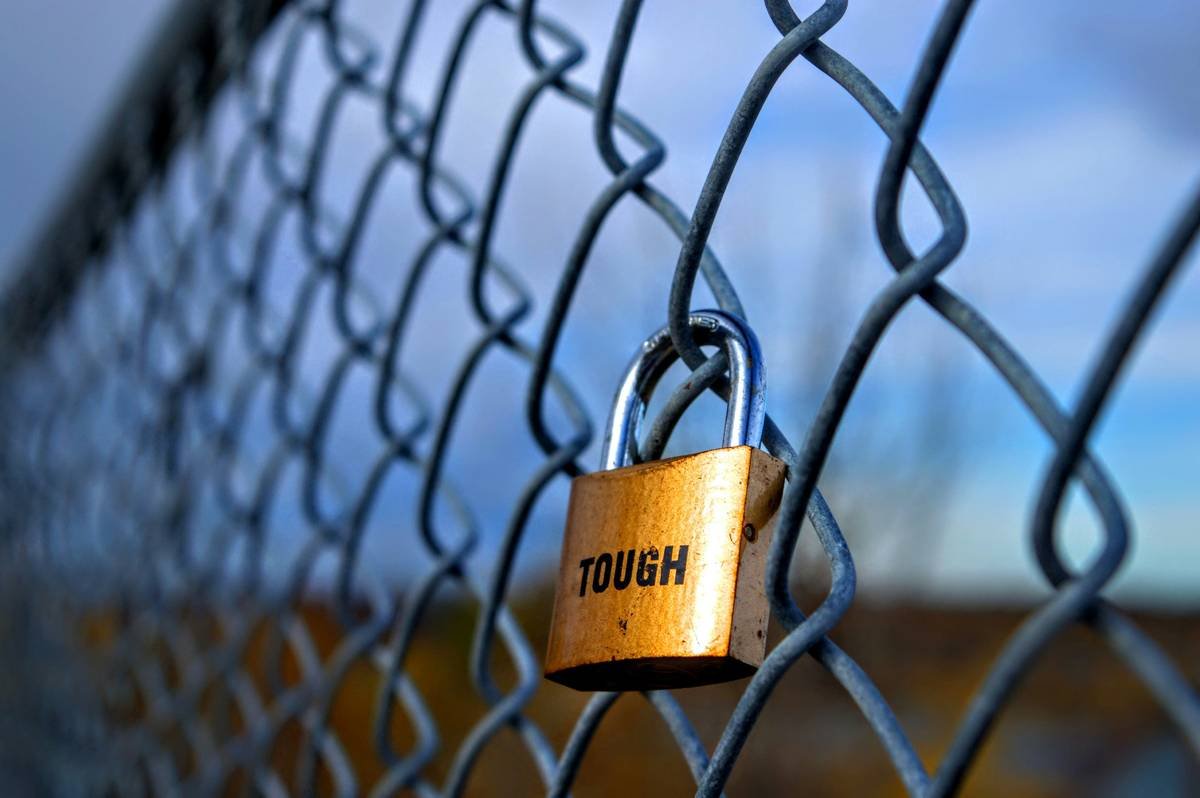
That’s why today’s home safety isn’t just about alarms—it’s about layered defense: physical barriers, behavioral habits, and financial backstops like tailored burglary coverage and credit card protections.
Your Step-by-Step Home Safety Upgrade Plan
Do I really need burglary insurance if I have homeowners coverage?
Optimist You: “Your HO-3 policy probably includes personal property theft!”
Grumpy You: “Yeah, until you realize your $5,000 camera gear is capped at $1,500. Ugh, fine—but only if I get to itemize it properly.”
Most standard policies cover burglary, but with sub-limits on categories like jewelry, electronics, or collectibles. Solution? Add a “scheduled personal property endorsement” for high-value items. Cost: ~$50–$150/year per item.
Can my credit card help if my stuff gets stolen?
Surprise! Many premium credit cards include purchase protection—covering theft or damage for 90–120 days post-purchase. For example:
- Amex Platinum: Up to $10,000 per claim ($50,000/year)
- Chase Sapphire Reserve: Up to $10,000 per item ($50,000/year)
Pro tip: File a police report first, then submit your card issuer’s claim form within 90 days. I recovered $1,800 for a stolen bike this way—zero deductible.
What are the top 3 physical upgrades for 2025?
- Smart locks with auto-lock timers (e.g., August Wi-Fi): Never forget to lock again.
- Motion-activated LED floodlights: Burglars avoid well-lit zones (DOJ confirms this deters 70% of attempts).
- Window security film: Makes glass shatter-resistant—looks normal but stops smash-and-grabs.
Best Practices for Burglary Prevention + Insurance Alignment
Don’t just install gadgets—sync them with your coverage strategy:
- Inventory everything. Use apps like Encircle or Google Photos to catalog valuables. Insurers move faster with proof.
- Ask about discounts. Installing a monitored alarm system can slash premiums by 5–20% (III, 2024).
- Avoid “terrible tip” territory: “Just hide cash under the mattress—it’s safer than banks.” Nope. Mattresses aren’t FDIC-insured, and burglars always check there.
- Use neighborhood apps. Nextdoor or Ring Neighbors alert you to local suspicious activity in real time.
- Never advertise absence. Delay social posts about vacations until you’re back. Thieves scan Instagram for empty homes.
Rant time: Why do people still buy fake security cameras? They’re plastic, obvious, and give zero deterrent value. Spend $25 on a real Blink Mini instead—it records, alerts, and looks legit.
Real Case Study: When Insurance (and a Credit Card) Saved the Day
Last winter, Sarah K. from Denver returned from a ski trip to find her back door jimmied open. Stolen: a Sony A7IV camera ($2,500), gaming console ($600), and designer handbag ($1,200).
Her standard renters policy covered $2,000 total—but with a $1,000 electronics cap. However, she’d bought the camera with her Chase Sapphire Reserve. She filed a purchase protection claim: submitted police report + receipt, got reimbursed $2,500 within 10 days.
Total out-of-pocket: $0 on the camera, $600 on the console (covered by insurance), and $200 on the bag (below deductible). Without the credit card perk? She’d be out $1,900.
FAQs: Home Safety Strategies 2025
Does burglary insurance cover cash?
Usually yes—but with low limits ($200–$500). Keep large cash amounts in a fireproof safe bolted to the floor, or better yet, in a bank.
Are renters covered for burglary?
Yes! Renters insurance includes personal property theft. Average cost: $15/month. Don’t skip it—44% of renters are uninsured (NAIC, 2023).
Do smart home devices lower insurance premiums?
Sometimes. Companies like State Farm and Allstate offer “smart home discounts” for verified systems (e.g., ADT, SimpliSafe). Ask your agent!
What’s the #1 thing burglars look for?
Easy entry. Over 34% use unlocked doors; 23% force open windows (DOJ). Lock up—even when you’re home.
Conclusion
Home safety strategies in 2025 aren’t just about locking doors—they’re about layered resilience: smart habits, modern tech, and financial safeguards like burglary insurance and credit card protections working in sync. Don’t wait for a break-in to expose gaps in your plan. Audit your coverage, upgrade one weak point this week, and sleep easier knowing you’re protected from both intrusion and financial fallout.
Like a Tamagotchi, your home security needs daily care—not just panic-mode fixes.