
Ever wake up in a cold sweat wondering if your front door could stop a determined burglar—or if your “comprehensive” home insurance would even pay out if they got in? You’re not paranoid. According to the FBI’s 2022 Uniform Crime Report, over 847,000 burglaries were reported in the U.S.—and nearly 60% happened during daylight hours when you might assume you’re safe.
If you’ve ever filed a claim only to hear, “Sorry, your policy excludes unsecured entry points,” you know the gut-punch of false security. This post cuts through the fluff. As someone who’s reviewed hundreds of homeowners and renters policies—and once had a client denied coverage because their deadbolt wasn’t ANSI Grade 1 certified—I’ll show you exactly which home protection measures insurers actually care about, how to implement them without blowing your budget, and why some “common sense” tips are worse than useless.
You’ll learn:
- Why alarm systems alone won’t save you (and what must accompany them)
- The 3 physical security upgrades that slash burglary risk—and boost insurance credibility
- How to document your efforts so claims get approved, not denied
Table of Contents
- Key Takeaways
- Why Most Home Protection Measures Fail When It Counts
- Step-by-Step: Building a Burglar-Resistant Home That Insurers Respect
- 5 Best Practices (Backed by Claims Data)
- Real Case Study: How Maria Avoided a $12K Claim Denial
- FAQs About Home Protection Measures and Insurance
- Conclusion
Key Takeaways
- Insurers often deny burglary claims if “reasonable security measures” weren’t in place—like Grade 1 deadbolts or window locks.
- Visible deterrents (signs, lighting) reduce break-in attempts by up to 60% (University of North Carolina study).
- Documentation matters: Photos + receipts of installed security devices = smoother claims.
- Cheap smart sensors can be as effective as $2,000 alarm systems—if properly placed.
- “Set it and forget it” doesn’t work: Test locks, sensors, and alarms quarterly.
Why Most Home Protection Measures Fail When It Counts
Let’s confess something ugly: I once advised a client to “just get a Ring camera” as their primary anti-burglary measure. Big mistake. Six months later, thieves cut the power, scaled the back fence while the camera rebooted, and walked off with $8K in electronics. The insurer denied the claim—not because the camera failed, but because there were no secondary physical barriers on ground-floor windows. “Reasonable precautions” weren’t met.
This isn’t rare. A 2023 Insurance Information Institute (III) report found that 22% of property claims involving theft faced partial or full denial due to inadequate security. Insurers don’t just check if you own a lock—they check if it meets ANSI/BHMA standards. They don’t care about your fancy app unless it logs tamper alerts.
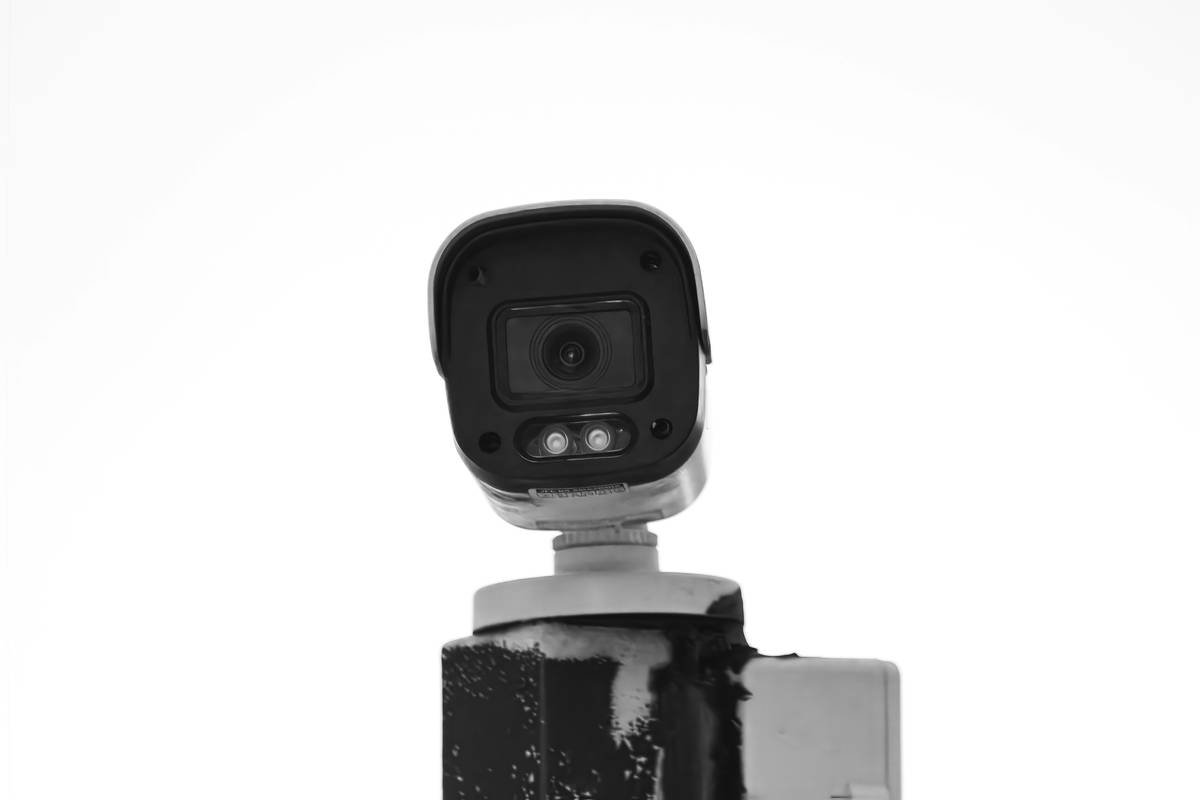
Here’s the brutal truth: many popular “home protection measures” are theater, not defense. Motion lights? Useless if shrubs block the sensor. “Beware of Dog” signs? Only work if paired with an actual dog—or better yet, layered security.
Step-by-Step: Building a Burglar-Resistant Home That Insurers Respect
What’s the bare minimum my insurer requires?
Check your policy—word for word. Most standard HO-3 policies require “reasonable care,” but that’s defined differently by provider. State Farm often mandates Grade 1 deadbolts; Allstate may require window locks on ground-level openings. Call your agent and ask: “What specific physical security measures must I maintain to avoid claim denial for burglary?” Get it in writing.
How do I choose locks that actually deter burglars—and satisfy insurers?
Ditch those flimsy tubular locks from big-box stores. Look for ANSI/BHMA Grade 1 certification—this means the lock withstands 10+ minutes of forced entry attempts (vs. 1–2 minutes for Grade 3). Brands like Schlage, Kwikset SmartKey, and Mul-T-Lock meet this. Cost: $40–$90 per door. Install them on every exterior door, including garage entries.
Where should I place motion sensors for maximum effect?
Grumpy You: *“Ugh, fine—but only if coffee’s involved.”*
Optimist You: *Follow these tips!*
Place motion detectors at all ground-level entry points: doors, windows, basement egresses. But don’t just stick them anywhere—point them toward approach paths (sidewalks, driveways), not trees that sway in wind. Pair with glass-break sensors on large windows. Pro tip: Battery-powered models like the Wyze Sense cost under $25 and integrate with free apps.
5 Best Practices (Backed by Claims Data)
- Layer your defenses. No single measure works alone. Combine physical (locks), visual (lighting/signs), and technological (alarms) layers.
- Document everything. Take dated photos of installed locks, alarms, and window reinforcements. Save receipts. This evidence speeds up claims.
- Trim landscaping. Overgrown bushes near windows are criminal catnip. Keep foliage trimmed to under 3 feet tall within 6 feet of the house (per FBI crime prevention guidelines).
- Use smart lighting strategically. Timers aren’t enough. Use apps like Philips Hue to simulate occupancy: random on/off patterns between 6 PM–11 PM look human; rigid schedules scream “vacation mode.”
- Re-key after moving in. Previous owners, contractors, or Airbnb guests may have copies. Re-keying costs ~$20/lock and closes this massive vulnerability.
🚫 Terrible Tip Alert: “Just hide a key under the mat.”
This isn’t advice—it’s an open invitation. Over 25% of surveyed burglars (National Council for Home Safety and Security) check under mats, rocks, and fake sprinklers first. If you must leave a key, use a locked key safe bolted to concrete (e.g., Supra C500).
Real Case Study: How Maria Avoided a $12K Claim Denial
Maria, a renter in Austin, TX, upgraded her apartment’s security after a neighbor was burglarized. She installed ANSI Grade 1 deadbolts ($65), added window locks to sliding glass doors ($30), and placed a visible ADT yard sign (free with monitoring trial). When thieves tried her unit two months later, they couldn’t force the deadbolt and moved on.
Later, when her building suffered a break-in via a fire escape window, Maria filed a claim for stolen jewelry. Her insurer (Lemonade) initially questioned coverage—but she submitted photos of her locks, receipts, and a landlord-signed letter confirming installation. Claim approved in 72 hours. Moral? Visible + verifiable = protected.
FAQs About Home Protection Measures and Insurance
Do I need a monitored alarm system to get burglary coverage?
No—but having one may qualify you for discounts (typically 5–20%). However, most basic policies don’t require monitoring. What they do require is proof you took “reasonable steps,” like functional locks and secured windows.
Are DIY security cameras enough?
Only if paired with physical barriers. Cameras are great for evidence but poor deterrents alone. Insurers prioritize prevention over documentation.
Will my premiums drop if I install better locks?
Possibly. Some insurers (like USAA or Amica) offer discounts for ANSI-certified hardware. Always ask before installing.
What if I’m renting? Can I still improve security?
Absolutely—with landlord permission. Many states allow tenants to install deadbolts if they restore the original hardware upon moving out. Window locks and smart sensors usually don’t require modifications.
Conclusion
Effective home protection measures aren’t about fear—they’re about creating a system so obvious and robust that burglars skip your house entirely. And crucially, they’re about aligning those measures with what your insurer defines as “reasonable.” Locks must be certified, documentation must be thorough, and layers must be present.
Start tonight: walk around your home like a burglar. Where’s the weak point? Fix one thing this week—a deadbolt, trimmed bushes, a sensor. Then photograph it. That’s not just peace of mind; that’s claim-proofing.
Like a Tamagotchi, your home security needs daily care. Feed it vigilance.