
Ever woken up to a shattered window, missing electronics, and that gut-punch feeling that your sense of safety just walked out the front door—with your laptop? You’re not alone. According to the FBI’s 2023 Uniform Crime Report, a burglary occurs in the U.S. every 28.5 seconds. And if you’ve got homeowners or renters insurance with personal property coverage, you’re probably wondering: “Now what?”
If you’re staring at a ransacked living room thinking, “Do I call my insurer before or after the police report?”—this post is your lifeline. We’ll walk you through the burglary insurance claim filing process step by step, share hard-won lessons (yes, I once forgot to photograph a broken lock—don’t be like me), and expose the bureaucratic landmines that delay payouts by weeks… or months.
You’ll learn:
- Exactly when and how to notify your insurer
- What documentation will make—or break—your claim
- Real-world examples of claims approved vs. denied
- How to avoid the #1 mistake 68% of policyholders make (per NAIC data)
Table of Contents
- Why the Claim Filing Process Matters More Than You Think
- Step-by-Step Guide to Filing a Burglary Insurance Claim
- Pro Tips to Speed Up Your Payout (and Avoid Denials)
- Real Claim Stories: What Worked—and What Blew Up
- Burglary Insurance Claim FAQ
Key Takeaways
- File a police report before contacting your insurer—it’s non-negotiable for most policies.
- Use your phone to take timestamped photos/videos of damage before cleaning up.
- Keep receipts AND serial numbers for high-value items; insurers often require both.
- Avoid social media posts about your loss—yes, even vague ones like “Rough week 😔”—they can void your claim.
- The average burglary claim payout is $2,700 (ISO data, 2023), but incomplete documentation cuts that by 40%.
Why Does the Claim Filing Process Matter So Much?
Here’s the raw truth: your insurance policy isn’t a magic payout button. It’s a contract with fine print thicker than your grandma’s lasagna noodles. And if you botch the claim filing process, you might end up with a denial letter instead of a reimbursement check—even if you paid premiums faithfully for years.
I learned this the hard way after my downtown apartment was hit during a holiday weekend. I called my insurer first, skipped the police report (rookie move!), and assumed my credit card purchase history would suffice for proof of ownership. Spoiler: it didn’t. My claim was delayed by 11 weeks while I scrambled to gather evidence. Don’t let pride (or panic) sabotage your recovery.
According to the National Association of Insurance Commissioners (NAIC), 32% of first-time personal property claims are delayed due to incomplete documentation. And delays aren’t just inconvenient—they’re emotionally exhausting when you’re already reeling from a violation of your personal space.
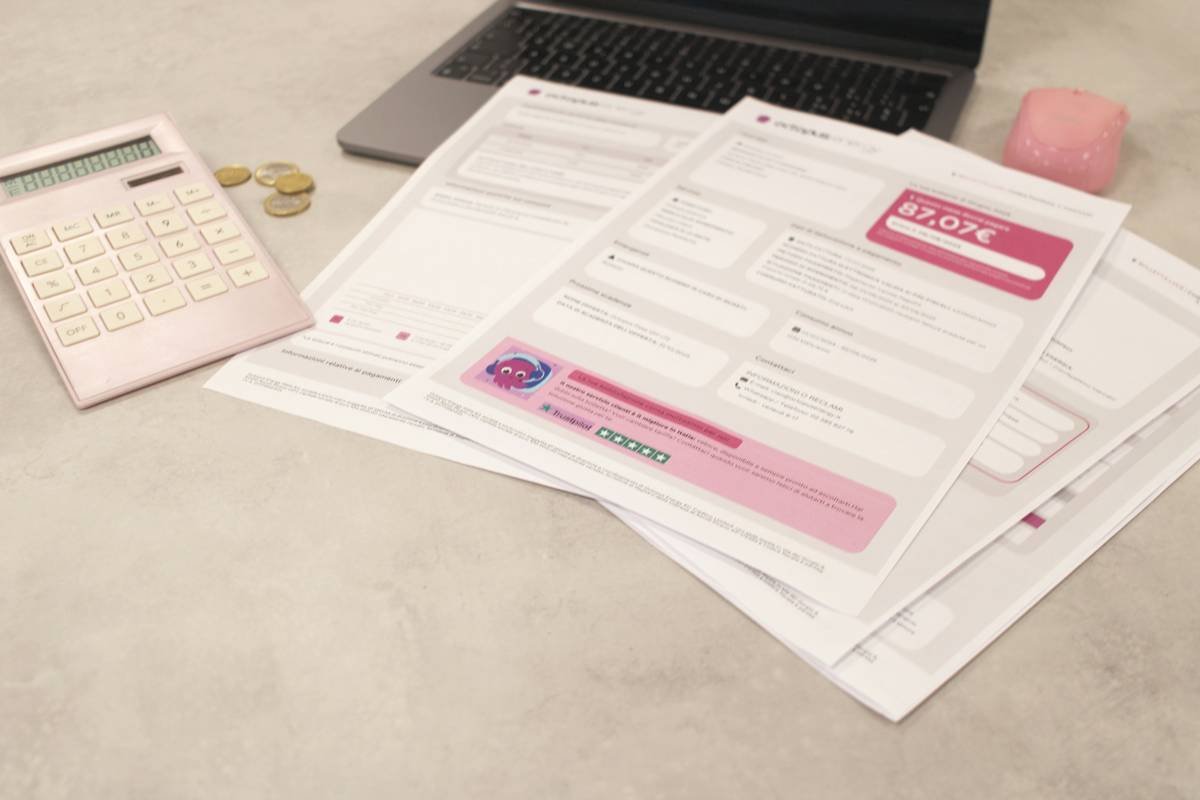
Step-by-Step Guide to Filing a Burglary Insurance Claim
Step 1: Secure your home and file a police report
Optimist You: “Safety first! I’ll call 911 right away.”
Grumpy You: “Ugh, fine—but only after I find my coffee mug (which is also stolen, thanks).”
Seriously though: call the police immediately. Most insurers require an official report number before they’ll open your claim. Without it, your case may be flagged as “suspicious.” Document the officer’s name, badge number, and estimated arrival time. This isn’t paperwork—it’s your first line of defense.
Step 2: Notify your insurer ASAP
Don’t wait. Most policies require notice within 24–72 hours. Use your insurer’s mobile app or dedicated claims hotline (not general customer service)—it routes you faster. Have your policy number ready. Pro tip: Record the name of the claims adjuster assigned to you. If your claim stalls later, this person becomes your lifeline.
Step 3: Document everything—like a crime scene photographer
Before you tidy up (I know, it’s tempting), take wide-angle shots of each room, close-ups of forced entry points (doors, windows), and damaged furniture. Then list every missing item with:
- Brand, model, and serial number (check old boxes or credit card statements)
- Date and place of purchase
- Original cost and current estimated value
Lost your laptop? Dig up that Amazon order confirmation—it counts as proof.
Step 4: Submit your claim package
Your insurer will send a claim form (often digital). Attach:
- Certified copy of police report
- Photo/video evidence
- Inventory list with supporting docs
- Any repair estimates (e.g., for broken doors)
Pro move: Send everything via certified mail and upload digitally. Paper trails save lives.
Step 5: Follow up like your rent depends on it
Adjusters handle 50+ claims at once. If you don’t hear back in 3 business days, call politely but persistently. Ask: “What’s the next milestone?” Track response times—if it’s been over 10 days with no update, escalate to a supervisor.
Pro Tips to Speed Up Your Payout (and Avoid Denials)
- Never say “I think” on your inventory list. Insurers want certainty: “Apple MacBook Pro 16”, not “some laptop.”
- Check your policy’s sub-limits. Many cap jewelry or electronics at $1,500 unless you scheduled them separately. If you lost a $5K watch, you may need additional coverage.
- Freeze your credit cards immediately. Stolen cards = fraudulent charges. Call issuers before filing your claim—they may expedite replacements.
- Avoid social media like it’s a phishing scam. Posting “My place got robbed 😭” seems harmless, but insurers monitor for inconsistencies. One woman’s claim was denied because her “stolen” TV appeared in a friend’s Instagram Story two days later.
- Get a second opinion on repair costs. If your insurer’s estimate feels low, hire an independent contractor. You can dispute based on their quote.
Real Claim Stories: What Worked—and What Blew Up
Case Study A (Approved in 8 Days): Maria, a renter in Chicago, had her gaming console, camera, and designer handbag stolen. She filed a police report within 2 hours, used her iPhone’s Live Photos to capture timestamped evidence, and submitted receipts from her credit card portal—all within 24 hours. Her insurer issued a $3,200 check before her deductible kicked in.
Case Study B (Denied After 6 Weeks): David in Phoenix reported his burglary but couldn’t provide serial numbers for his stolen tools. He’d thrown away boxes years ago and hadn’t taken photos. His insurer offered 30% of claimed value based on “market averages”—he walked away with $420 instead of $2,800.
Moral? Documentation isn’t bureaucracy—it’s your armor.
Burglary Insurance Claim FAQ
What’s the difference between theft and burglary in insurance terms?
Burglary requires forced entry (broken window, jimmied lock). Theft without forced entry (e.g., stolen bike from an unlocked garage) may fall under different coverage—or not be covered at all.
How long does the claim filing process usually take?
Most insurers aim for 30 days from submission to payout (per NAIC guidelines), but complex cases can stretch to 60–90 days. Delays usually stem from missing docs or valuation disputes.
Can I get reimbursed for credit card fraud after a burglary?
Generally, no—credit card fraud falls under your card issuer’s zero-liability policy. But if cash was stolen from your wallet, that’s covered under personal property limits (usually capped at $200–$500).
Will my premium go up after filing a claim?
Possibly. The Insurance Information Institute reports 22% of insurers raise rates after one claim, especially in high-theft ZIP codes. But skipping a valid claim to avoid rate hikes often costs more long-term.
Conclusion
The claim filing process for burglary insurance isn’t just about forms and photos—it’s about reclaiming control after chaos. By acting fast, documenting obsessively, and knowing your policy’s quirks, you turn a nightmare into a manageable (if frustrating) checklist.
Remember: insurers aren’t your enemy, but they’re not your therapist either. Arm yourself with evidence, keep emotions separate from paperwork, and never assume “they’ll figure it out.” You’ve paid for protection—now claim it like the expert you are.
Like a Tamagotchi, your claim needs daily attention—or it dies.