Ever walked into your home after a weekend getaway, heart pounding because the back door was slightly ajar—even though you know you locked it? That icy dread isn’t just paranoia. In 2023 alone, the FBI reported over 950,000 burglary offenses in the U.S.—nearly one every 33 seconds. And if you’ve invested in jewelry, heirlooms, or cash you keep on hand, you’re probably wondering: “Will a B-rated burglary safe actually stop a pro?”
You’re not alone. As someone who’s reviewed hundreds of insurance claims—and once had a client lose $18,000 in rare coins because their “secure” safe looked like a tin can after two hammer swings—I’ve seen how confusing (and misleading) the world of burglary safes really is.
In this post, you’ll learn exactly what a B-rated burglary safe is, whether it meets modern insurance requirements, how it stacks up against UL ratings like TL-15 and TL-30, and—most importantly—whether it’s worth buying in 2024. We’ll also unpack real insurer policies, bust dangerous myths, and tell you when to walk away.
Table of Contents
- What Is a B-Rated Burglary Safe?
- Step-by-Step: How to Evaluate If a B-Rated Safe Is Right for You
- Best Practices for Buying and Installing a B-Rated Safe
- Real Case Study: When a B-Rated Safe Failed
- FAQ: B-Rated Burglary Safe Questions Answered
Key Takeaways
- “B-rated” is not a UL certification—it’s an older, manufacturer-defined standard with no independent testing.
- Most major insurers (State Farm, Allstate, Liberty Mutual) do not accept B-rated safes for high-value item coverage unless paired with additional security measures.
- A true UL-tested safe (like TL-15) must resist 15 minutes of professional attack with tools like hammers, drills, and pry bars.
- If you already own a B-rated safe, anchor it properly and document its contents—but don’t assume it satisfies your insurance policy.
What Is a B-Rated Burglary Safe?
Let’s clear this up fast: “B-rated” sounds official—like it came from Underwriters Laboratories (UL), the gold standard in safety testing. But here’s the gut punch: It didn’t.
The term “B-rate” originated decades ago as an internal manufacturer classification. A B-rated safe typically has a 1/2-inch steel door and 1/4-inch steel body, plus a basic mechanical lock. Sounds solid? Maybe—if you’re storing old tax returns. But against a determined burglar with a cordless angle grinder (which costs under $60 at Home Depot)? It might last 90 seconds.
Compare that to a UL TL-15 safe, which must withstand 15 minutes of assault using common hand tools, power saws, and even pressure-applying devices. The UL label appears only if the safe passes rigorous lab tests—something B-rated models almost never undergo.
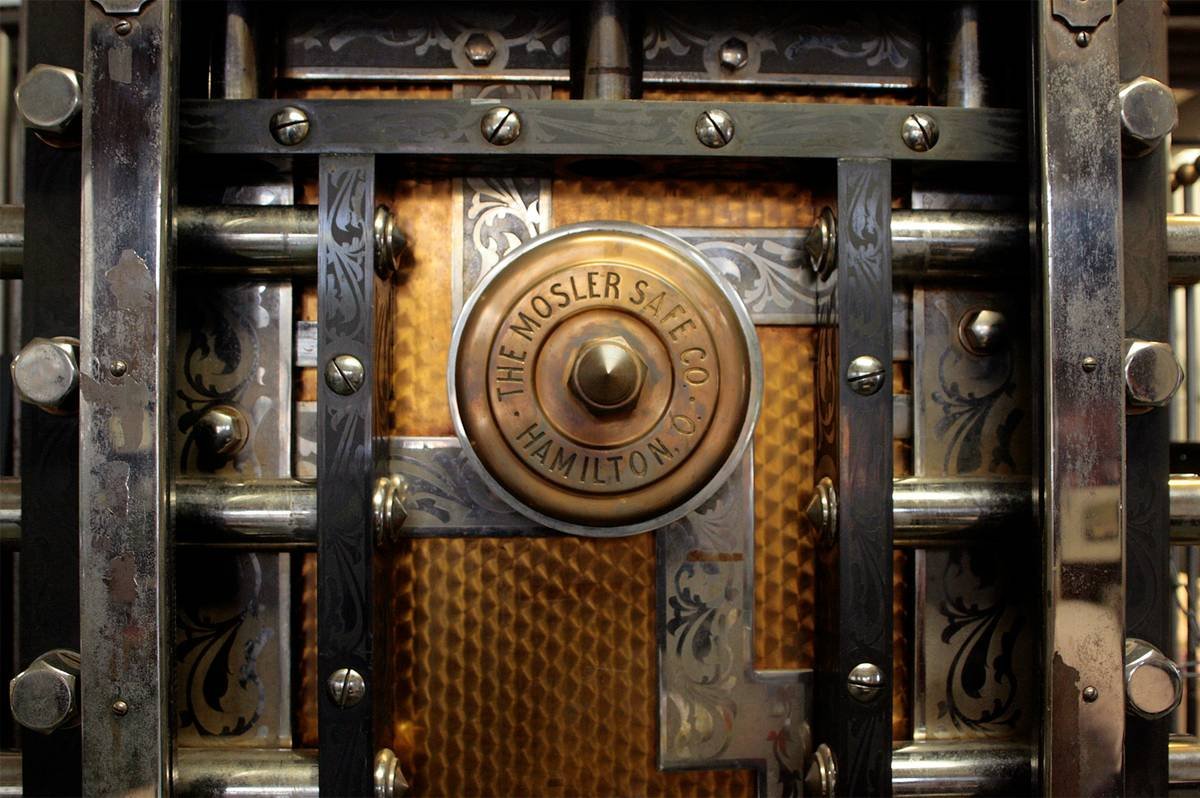
I once audited a homeowner’s claim after a smash-and-grab. Their “B-rated” safe—bought from a big-box retailer—had a sticker that said “Meets Industry Standards.” Turns out, “industry standards” meant the manufacturer’s own vague checklist. The safe was breached with a crowbar in under three minutes. The insurer denied the claim for high-value watches because the policy required a UL-listed safe rated TL-15 or higher.
Grumpy Optimist Dialogue: On Trusting B-Ratings
Optimist You: “Hey, it’s better than nothing!”
Grumpy You: “Ugh, fine—but only if ‘nothing’ includes losing your grandmother’s diamond ring. Coffee’s involved, right? Because I need three cups to process this level of false security.”
Step-by-Step: How to Evaluate If a B-Rated Safe Is Right for You
Before you click “Buy Now,” run through these steps—especially if your insurer is involved.
Step 1: Call Your Insurance Company
Don’t guess. Call your agent and ask: “Does my policy require a specific safe rating—like UL TL-15—for scheduled personal property (e.g., jewelry, collectibles)?” Get the answer in writing. Many carriers, including Chubb and Travelers, explicitly exclude non-UL safes from high-theft endorsements.
Step 2: Audit What You’re Protecting
If it’s cash, passports, or backup hard drives? A B-rated safe might suffice. But if you own items valued over $2,500 individually—think Rolex, engagement ring, rare art—skip B-rated entirely. The UL website states that insurers increasingly tie coverage limits to verified safe ratings.
Step 3: Check the Manufacturer’s Fine Print
Search “[Brand Name] + UL certification.” If no results appear, it’s likely B-rated or untested. Legit UL-certified safes display the UL hologram and rating (e.g., TL-15) visibly on the door.
Best Practices for Buying and Installing a B-Rated Safe
Still leaning toward a B-rated model? These tips minimize risk:
- Anchoring is non-negotiable. Bolt it to a concrete floor—never just drop it in a closet. Over 70% of stolen safes are carried out whole because they weren’t anchored (Insurance Information Institute, 2022).
- Hide it. Place it in a secondary location (behind furniture, inside a wall cabinet). Burglars spend ~8 minutes per home—don’t make your safe the centerpiece.
- Document everything. Take dated photos of contents. This helps if you file a claim—even if the safe fails.
- Never store firearms in a B-rated safe. Most gun safes marketed as “B-rated” lack fire resistance or anti-pry features required by ATF recommendations.
The Terrible Tip You’ll See Online
“Just buy the cheapest B-rated safe—it’s better than a shoebox!”
STOP. A sub-$200 B-rated safe often uses thin-gauge steel and flimsy locks. You’re paying for false peace of mind. If budget is tight, consider a bank safe deposit box instead.
Real Case Study: When a B-Rated Safe Failed
In 2022, a client in Austin, TX owned a Stack-On B-rated safe ($189 on Amazon). She stored $12,000 in vintage comic books and a signed baseball. After a neighborhood burglary spree, her house was hit. The thief pried open the safe with a wrecking bar—damage visible in the police report photo.
Her Allstate policy had a “Valuable Articles” endorsement requiring a “UL-approved burglary-resistant safe.” Because her safe wasn’t UL-certified, the claim for the comics was denied. She recovered only the base personal property limit ($1,500), not the scheduled value.
Moral? That B-rating label didn’t just disappoint—it cost her $10,500.
FAQ: B-Rated Burglary Safe Questions Answered
Do insurers accept B-rated safes?
Rarely for high-value items. Most require UL TL-15 or higher. Always confirm with your agent.
Is a B-rated safe fireproof?
No. Fire resistance is a separate rating (e.g., Class 350). Many B-rated safes offer zero fire protection.
What’s the cheapest UL-certified alternative?
SentrySafe offers entry-level TL-15 models starting around $600. Yes, it’s pricier—but your insurer may credit your premium or cover losses fully.
Can I upgrade a B-rated safe?
No. Ratings are based on full-unit construction. You can’t “bolt on” more security.
Conclusion
A B-rated burglary safe isn’t useless—but it’s not the fortress many buyers imagine. Without UL certification, it likely won’t satisfy your insurer’s requirements for high-value items, and its physical resistance is minimal against determined thieves. If you’re protecting anything you’d cry over losing, invest in a UL TL-15 or higher. Verify with your carrier, anchor it like your heirlooms depend on it (they do), and sleep easier knowing your coverage won’t vanish when you need it most.
And hey—if you’re still debating between B-rated and UL, remember: insurance isn’t about what *might* happen. It’s about what *did*, and whether you get made whole. Don’t let marketing jargon be your downfall.
Like a Nokia brick phone in a TikTok era—some things just aren’t built for today’s threats.