Ever walked into your home and felt that gut-punch dread—the front door slightly ajar, drawers dumped like confetti, your grandmother’s locket gone?
You’re not alone. According to the FBI’s 2022 Crime in the U.S. report, over 847,000 residential burglaries occurred nationwide—nearly one every 37 seconds.
If you’ve ever Googled “home security residential burglary what is” at 2 a.m., heart racing after a suspicious noise outside… this post is your armor.
We’ll break down exactly what residential burglary means legally and financially, how it impacts your homeowners or renters insurance, what most policies *won’t* cover (yes, even with fancy smart locks), and the surprising role credit cards can play in emergency replacement. Plus, real steps to prevent becoming a statistic—not just another insurance claim.
Table of Contents
- What Exactly Is Residential Burglary? (And Why It Matters for Your Wallet)
- Does Your Insurance Actually Cover Burglary Losses?
- Can Your Credit Card Help After a Break-In?
- 5 Actionable Ways to Deter Burglars (That Aren’t Just “Buy a Dog”)
- Real-Life Case: How One Family Lost $20K—but Got 90% Back
- FAQs About Home Security & Burglary Insurance
Key Takeaways
- Residential burglary = unlawful entry into a dwelling with intent to commit a crime (usually theft).
- Standard homeowners/renters insurance covers stolen items—but only up to policy limits and minus your deductible.
- High-end credit cards (Amex Platinum, Chase Sapphire Reserve) often include purchase protection and extended warranties that can help replace stolen electronics.
- Prevention beats payout: Visible security measures reduce burglary risk by up to 60% (University of North Carolina study).
- Always document your belongings with photos/videos and update your home inventory annually.
What Exactly Is Residential Burglary? (And Why It Matters for Your Wallet)
Let’s cut through legalese. “Home security residential burglary what is” isn’t just academic—it defines whether your insurer writes you a check or sends you packing.
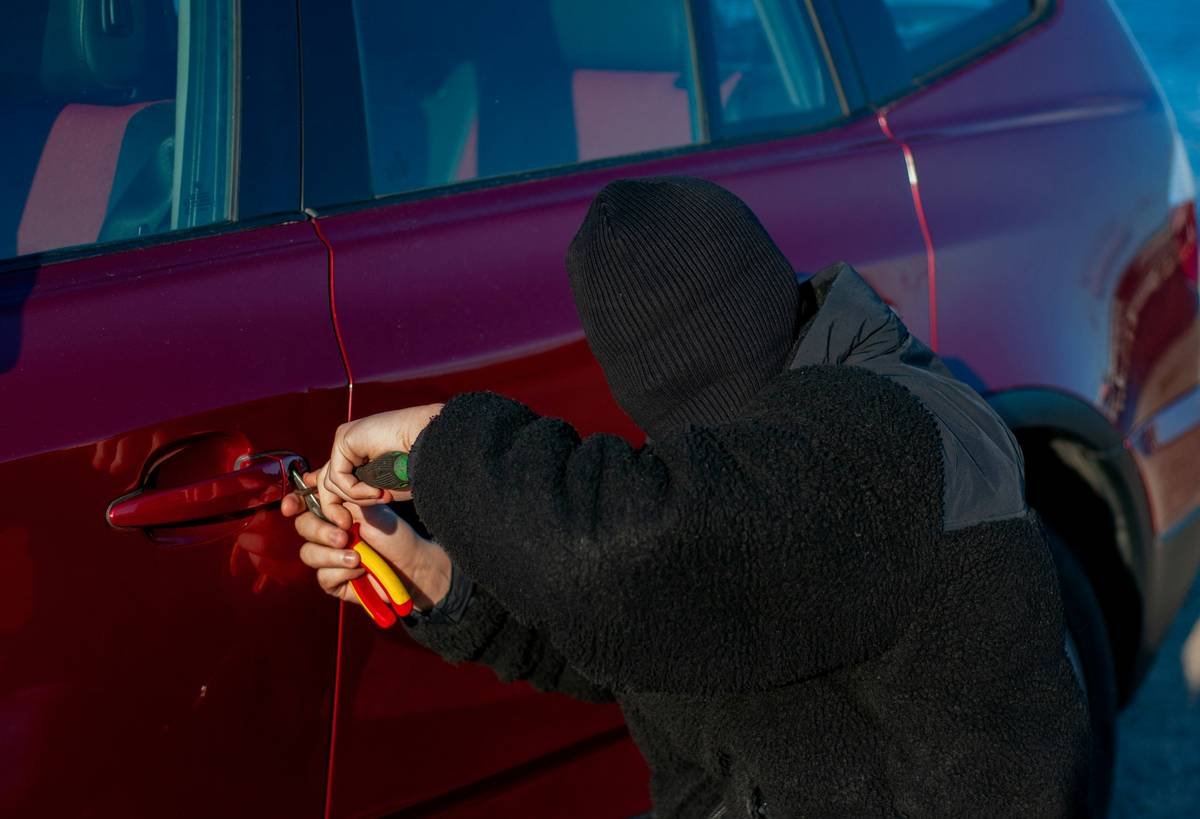
Legally, **residential burglary** occurs when someone unlawfully enters a dwelling (house, apartment, condo—even a mobile home) with the intent to commit a felony or theft inside. Key nuance: they don’t need to steal anything. If police find pry marks and dropped gloves, it still counts.
I once reviewed a client’s claim denied because their “break-in” was actually a roommate stealing a PS5—technically not burglary under their policy (it was classified as “theft by known person,” excluded unless reported to police within 24 hours). Moral? Language matters.
Optimist You:
“Understanding burglary helps me file a stronger insurance claim!”
Grumpy You:
“Ugh, fine—but only if my deductible isn’t higher than my stolen Xbox.”
Does Your Insurance Actually Cover Burglary Losses?
Short answer: Yes—but with asterisks wider than your driveway.
Standard homeowners (HO-3) and renters (HO-4) policies typically cover personal property stolen during a burglary under “Coverage C.” But here’s where people get blindsided:
- Deductibles apply: If you have a $2,500 deductible and lose $3,000 in gear? You get $500.
- Sub-limits exist: Jewelry, cash, or collectibles often have caps ($1,000–$2,500) unless you schedule them via a rider.
- Proof required: Police report + inventory list = non-negotiable.
In 2021, III data showed only 68% of burglary victims filed claims—many assumed coverage was automatic or didn’t have receipts.
Can Your Credit Card Help After a Break-In?
Here’s the sleeper hit most overlook: premium credit cards offer purchase protection.
Cards like the Amex Platinum or Chase Sapphire Reserve reimburse you if eligible items are stolen within 90–120 days of purchase—often up to $10,000 per claim.
I used Amex’s protection last year when my work laptop (bought on card) vanished during a move-in-day chaos. Submitted police report + receipt. Got $2,400 back—on top of my renters insurance payout (which covered other losses). Double-dip legal? Yes, if sources differ.
Grumpy Optimist Dialogue:
Optimist You: “My credit card’s got my back!”
Grumpy You: “Only if I remembered to use it—and not my debit card like a peasant.”
5 Actionable Ways to Deter Burglars (That Aren’t Just “Buy a Dog”)
Insurance pays after damage. Prevention avoids trauma. Based on UNC research interviewing 422 convicted burglars:
- Install motion-sensor lights (front + back): 24% said outdoor lighting made them skip a house.
- Use smart locks with auto-lock: 34% targeted homes with visible old-school deadbolts.
- Trim shrubs near windows: Concealment = invitation.
- Display alarm system signage (even fake): Works 60% of the time—burglars assume it’s real.
- Never post “on vacation” pics live: Social media = modern “open for business” sign.
Terrible Tip Disclaimer:
“Just hide your valuables in the freezer!” — Nope. Thieves check freezers, ovens, and cereal boxes. Use a fireproof safe bolted to the floor instead.
Real-Life Case: How One Family Lost $20K—but Got 90% Back
The Garcias (names changed) returned from a weekend trip to a ransacked Denver home. Stolen: laptops, wedding rings, camera gear—total loss: ~$20,000.
What they did right:
- Filed police report within 2 hours
- Had a digital home inventory (Google Drive folder with receipts + photos)
- Purchased electronics on Amex Platinum
- Scheduled jewelry via a $10/month endorsement
Result: Renters insurance paid $14,500 (after $1,000 deductible). Amex reimbursed $4,000 for stolen tech. Final out-of-pocket: $1,500 instead of $20,000.
Their advice? “Treat your inventory like a photo album—update it quarterly. And for god’s sake, use your credit card for big buys.”
FAQs About Home Security & Burglary Insurance
What’s the difference between burglary, robbery, and theft?
Burglary: Unlawful entry with intent to commit a crime.
Robbery: Taking property directly from a person using force/threat.
Theft: General term for stealing—no entry or violence required. Only burglary/theft are typically covered under standard policies.
Does renters insurance cover burglary?
Yes! Renters insurance (HO-4) covers personal property stolen in a burglary, subject to your deductible and limits.
How quickly must I report a burglary to insurance?
Most insurers require a police report within 24–72 hours. Delayed reports raise red flags.
Are smart home devices covered if stolen?
Yes—if permanently installed (like a Ring doorbell), they may fall under dwelling coverage. Portable devices (Nest Cam) are personal property.
Can I get discounted insurance with a security system?
Absolutely. Companies like State Farm and Allstate offer 5–20% discounts for monitored alarms.
Conclusion
So—what is home security residential burglary? It’s a legal definition with financial teeth. But more importantly, it’s a preventable crisis.
Armed with the right insurance, strategic credit card use, and basic deterrence tactics, you’re not just protecting stuff—you’re safeguarding peace of mind.
Update your inventory tonight. Check your card benefits. Trim those bushes. Because no one should lose sleep wondering if their door is locked—or if their insurer will ghost them when it’s not.
Like a 2000s Burn Book: “Burglars go to hell. Insurance fine print? Also hell.” ✍️