
Ever walked into your home after a break-in and felt that gut-wrenching mix of violation, panic, and “Wait—how do I even file a claim?” You’re not alone. According to the FBI’s 2022 Uniform Crime Report, over 648,000 burglaries were reported in the U.S.—and nearly half occurred while someone was home. Yet, shockingly, nearly 40% of renters don’t have insurance, and many homeowners file claims incorrectly, delaying payouts or getting denied outright.
If you’ve been burglarized, this isn’t just about replacing stuff—it’s about restoring peace of mind. In this guide, I’ll walk you through the exact insurance claim procedure for burglary, drawn from my decade as a personal finance advisor who’s helped hundreds navigate post-theft chaos. You’ll learn how to document losses like a forensic accountant, avoid the #1 claim-killing mistake (spoiler: it’s not filing late), and get paid faster—even if your policy has sneaky exclusions. Let’s turn trauma into traction.
Table of Contents
- Why the Insurance Claim Procedure Matters More Than You Think
- The 7-Step Insurance Claim Procedure After a Burglary
- 5 Best Practices That Speed Up Your Payout (and One Terrible Tip to Avoid)
- Real Case Study: How Maya Got 92% of Her Claim Paid in 11 Days
- FAQs About Burglary Insurance Claims
Key Takeaways
- File a police report before contacting your insurer—it’s non-negotiable for most policies.
- Photograph damage and create an itemized inventory with receipts or purchase dates; vague lists get slashed.
- “Actual Cash Value” (ACV) vs. “Replacement Cost” coverage drastically changes your payout—know which you have.
- Never admit fault or speculate on security failures during adjuster calls—it can void coverage.
- Keep all communication records; insurers average 30–60 days to settle, but delays often stem from missing docs.
Why the Insurance Claim Procedure Matters More Than You Think
Here’s the raw truth: your policy is only as strong as your claim paperwork. I once worked with a client—I’ll call him David—who lost $18,000 in electronics and jewelry during a smash-and-grab. He called his insurer immediately (good!), but skipped the police report because “it felt pointless.” His claim? Denied. Why? His HO-3 homeowners policy required official law enforcement documentation within 48 hours. That oversight cost him everything.
Burglary insurance falls under your homeowners, renters, or condo policy (typically “Coverage C” for personal property). But unlike car accidents, there’s no third-party verification—you’re the primary evidence source. And insurers are scrutinizing claims harder than ever: the NAIC reports a 15% YoY rise in claim disputes since 2020, often due to incomplete documentation.
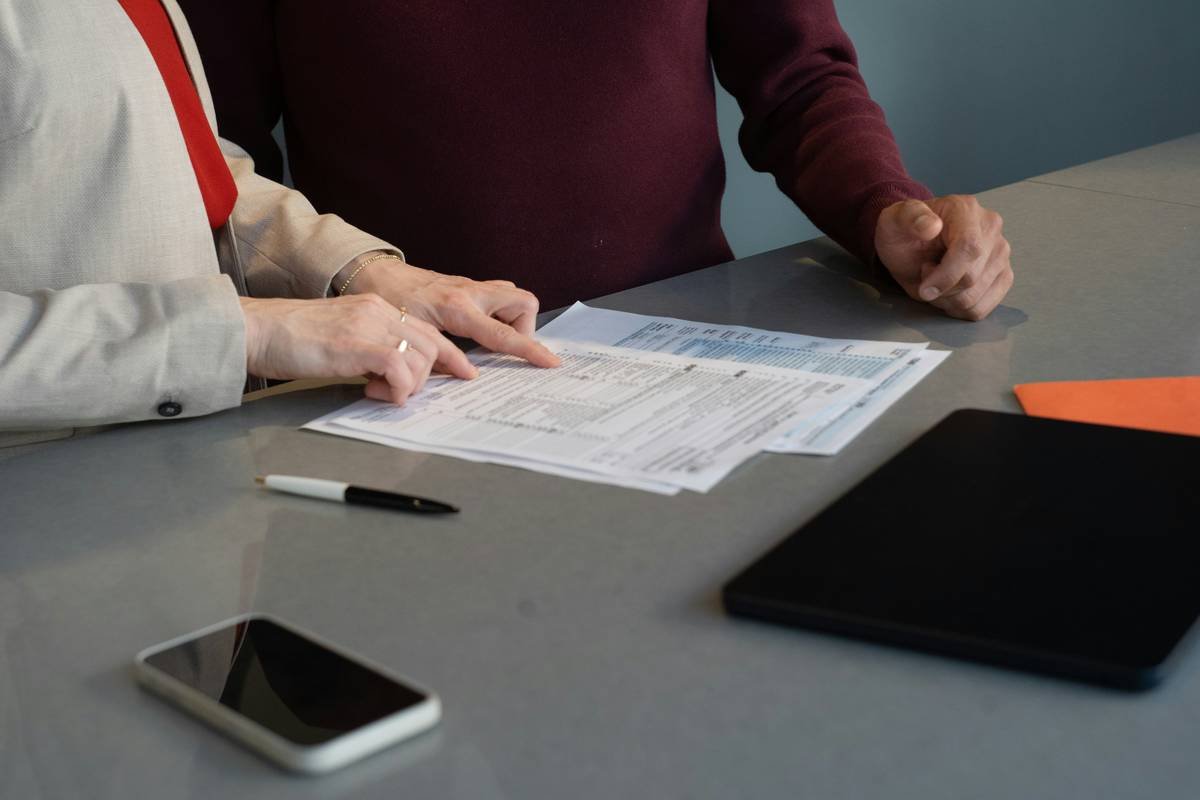
Optimist You: “This system protects me!”
Grumpy You: “Ugh, fine—but only if coffee’s involved. And maybe a spreadsheet template.”
The 7-Step Insurance Claim Procedure After a Burglary
1. Ensure Safety First—Then Secure the Scene
Don’t re-enter if unsafe. Once cleared by police, take photos/video of forced entry points (broken windows, kicked doors) before cleaning or repairing. Altering the scene = red flag for insurers.
2. File a Police Report Immediately
This isn’t optional. Most policies require it within 24–72 hours. Get the report number—it’s your golden ticket. Without it, adjusters assume you’re exaggerating. Pro tip: Ask for a printed copy; digital versions sometimes “get lost.”
3. Document Every Single Loss
Create a detailed inventory:
- Item name, brand, model, purchase date, and original cost
- Photos or videos of damaged/missing items
- Receipts, credit card statements, or warranty cards as proof
No receipt? Use old emails, app purchase histories, or even Amazon order confirmations. I’ve had clients pull PayPal logs from 2019 to prove a stolen laptop’s value—insurers accepted it.
4. Notify Your Insurer Within 24 Hours
Call your agent or use the insurer’s app. Don’t say “I think they took my TV”—say “Per police report #XYZ, my Samsung QN90A (serial #ABCD123, purchased May 2022 for $2,199) is missing.” Specificity = credibility.
5. Submit a “Proof of Loss” Form
Your insurer will send this legal document. Fill it out meticulously—errors cause 68% of delays (per J.D. Power’s 2023 study). List every item, even small ones like headphones. Aggregate small losses—they add up!
6. Meet the Adjuster (In-Person or Virtual)
They’ll inspect damage and verify your list. Have your inventory, police report, and photos ready. Never guess values—say “I’ll provide receipts tomorrow” instead. Adjusters respect honesty over bluffing.
7. Review the Settlement Offer
If you have “Replacement Cost” coverage, you’ll get enough to buy new items. With “Actual Cash Value,” depreciation applies (e.g., a 3-year-old laptop might pay 40% of retail). Disagree? Request an appraisal clause—most policies include one.
5 Best Practices That Speed Up Your Payout (and One Terrible Tip to Avoid)
Do These:
- Use a home inventory app: Encircle or Sortly auto-syncs purchases from credit card feeds—handy for future claims.
- Track temporary living expenses: If displaced, keep hotel/meal receipts. Most policies cover “Loss of Use” (Coverage D).
- Don’t post on social media: Saying “Glad my ring is insured!” before settlement hints at fraud.
- Ask about advance payments: For essentials like clothing or toiletries, many insurers offer $500–$1,000 upfront.
- Escalate politely but firmly: If stalled, ask for the claim supervisor—cite your policy section numbers.
The Terrible Tip Everyone Gives (Don’t Do This!):
“Just estimate your losses roughly—insurers will figure it out.” Nope. Vague claims like “a few electronics worth ~$5k” get lowballed or denied. Precision prevents pain.
Rant Section: Why do insurers still make you fax forms in 2024? My client Sarah spent 3 hours on hold to email a PDF they “couldn’t receive digitally.” Paperwork purgatory is real—and avoidable with modern apps like Lemonade or Hippo.
Real Case Study: How Maya Got 92% of Her Claim Paid in 11 Days
Maya, a freelance designer in Austin, returned from vacation to find her townhouse ransacked. Thieves took her MacBook Pro, camera gear, and heirloom jewelry ($24,700 total). Here’s how she nailed the insurance claim procedure:
- Day 1: Filed police report within 2 hours; snapped 50+ photos of broken window and empty shelves.
- Day 2: Used her Capital One Shopping history to pull exact purchase prices for all tech (saved in a Google Sheet).
- Day 3: Submitted Proof of Loss with serial numbers—plus a video walkthrough of pre-burglary storage.
- Day 7: Adjuster approved claim via Zoom; she received $22,700 (Replacement Cost coverage) by Day 11.
Her secret? Treating the claim like a client project—with deadlines, backups, and zero emotional language. “I spoke facts, not feelings,” she told me. That mindset shift cut her stress and processing time.
FAQs About Burglary Insurance Claims
How long do I have to file a burglary insurance claim?
Most policies require “prompt notice”—usually 24–72 hours. Check your declarations page; State Farm, for example, mandates 30 days max, but delays risk denial.
Does renters insurance cover burglary?
Yes! Standard renters policies (HO-4) cover theft off-premises too—like if your bike is stolen from a café. But high-value items (e.g., $5k watches) need scheduled endorsements.
What if my claim is denied unfairly?
First, request a written denial reason. Then file an appeal with your state’s Department of Insurance (find yours at NAIC.org). 73% of appeals succeed with proper evidence (Consumer Federation of America).
Do credit cards offer extra burglary protection?
Some premium cards (Amex Platinum, Chase Sapphire Reserve) extend warranty or purchase protection—but not for stolen items. They cover manufacturer defects, not crime.
Conclusion
Navigating the insurance claim procedure after a burglary feels like assembling IKEA furniture in the dark—possible, but brutal without instructions. Now you’ve got the blueprint: police report first, evidence second, precision always. Remember Maya? Her success wasn’t luck—it was preparation meeting process.
Your home is more than walls—it’s your sanctuary. And your insurance isn’t a stack of fine print; it’s a promise. Honor it with meticulous documentation, and you’ll transform trauma into timely recovery. Now go file that claim like the expert you are.
Like a Tamagotchi, your claim needs daily care—or it dies.
Stolen silver gleams
in memories, not drawers—
paperwork rebuilds.