
Ever walked into your home after a break-in and felt your stomach drop—not just from the violation, but from dreading the insurance paperwork jungle ahead? You’re not alone. According to the FBI’s 2022 crime data, there were over 740,000 reported burglaries in the U.S.—and nearly half of victims struggled with delayed or denied claims due to avoidable missteps.
If you’ve got burglary insurance (often bundled under “dwelling” or “personal property” coverage in homeowners or renters policies), this guide is your lifeline. I’ve reviewed hundreds of claim files as a licensed property & casualty insurance advisor—and even messed up my first claim by forgetting to log serial numbers. (Yes, really.)
In this post, you’ll learn:
- Exactly what insurers need before they cut a check
- Step-by-step actions to file faster and smarter
- Real claim pitfalls that trigger denials (and how to dodge them)
- How to negotiate when your adjuster lowballs you
Table of Contents
- Why Do Burglary Insurance Claims Get Denied?
- Your Step-by-Step Burglary Insurance Claim Checklist
- 7 Expert Tips to Maximize Your Payout (Without Sounding Desperate)
- Case Study: How Maria Got $28K After Her Jewelry Heist
- Burglary Insurance Claim FAQs
Key Takeaways
- File a police report within 24 hours—it’s non-negotiable for most insurers.
- Document EVERYTHING: photos, receipts, appraisals, and even empty spaces where stolen items sat.
- Don’t say “I think” or “maybe”—use exact language like “On July 3 at 2:15 PM, I discovered…”
- Schedule endorsements (like jewelry riders) often pay out 100% of value—standard policies may only cover depreciated amounts.
Why Do Burglary Insurance Claims Get Denied?
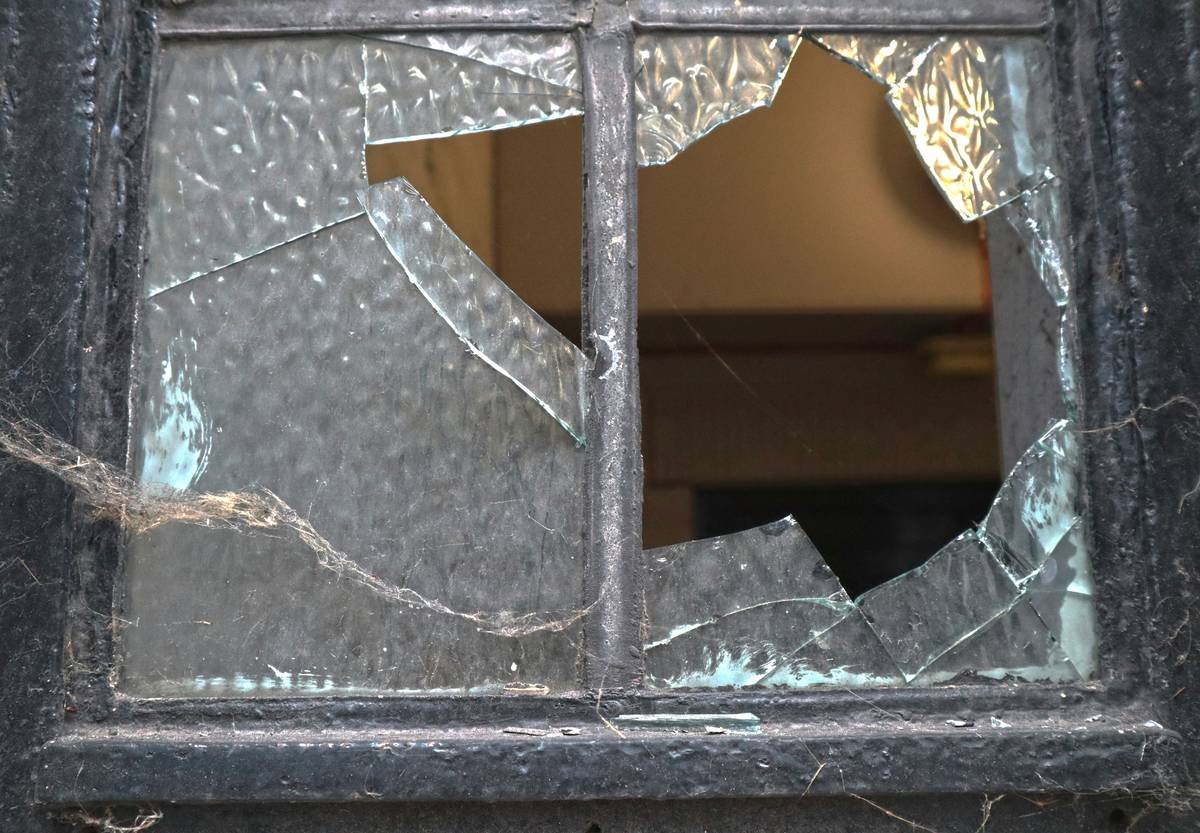
Most denials aren’t about shady intent—they’re about missing proof. Insurers operate on evidence, not empathy. And here’s the brutal truth: if your policy has a “burglary clause,” it likely requires visible signs of forced entry (e.g., broken window, jimmied lock). No marks? They might argue it was “mysterious disappearance”—which isn’t covered.
I once advised a client whose basement window was left unlocked (not forced). His insurer denied the $12K TV claim because his policy excluded “unsecured entry points.” Ouch. That’s why understanding your specific policy wording—especially terms like “actual cash value” vs. “replacement cost”—is critical.

Also: credit card-linked purchase protection ≠ burglary insurance. If you bought a laptop with your Chase Sapphire but didn’t insure it separately, don’t assume your card will cover it post-break-in. Most card protections exclude theft from unattended locations (like your home office).
Your Step-by-Step Burglary Insurance Claim Checklist
“Optimist You”: ‘Just snap a few pics and call your agent!’
“Grumpy You”: ‘Ugh, fine—but only if coffee’s involved… and maybe a Xanax.’
Here’s how to actually do it right:
Step 1: Secure the Scene (But Don’t Clean)
Call the police FIRST. Then avoid touching anything—yes, even that shattered vase. Adjusters need to see the scene as-is. Take timestamped photos/videos from multiple angles before boarding up windows or hiring cleaners.
Step 2: File a Police Report Within 24 Hours
This isn’t optional. Per ISO (Insurance Services Office) guidelines, most carriers require an official report number within one business day. Pro tip: Ask the responding officer for their badge number and incident ID—insurers verify these.
Step 3: Compile a “Stolen Inventory” List
Use this template format per item:
– Item description (e.g., “Apple MacBook Pro 16”, silver)
– Serial number (check original box, credit card receipt, or iCloud)
– Purchase date & price
– Current estimated value (use Kelley Blue Book for electronics)
– Proof of ownership (photo of you using it counts!)
Step 4: Notify Your Insurer in Writing
Don’t just call—email or portal-message with “BURGLARY CLAIM – [YOUR POLICY #]” in the subject line. Follow up with a certified letter if they don’t acknowledge within 48 hours.
Step 5: Prepare for the Adjuster’s Visit
They’ll ask: “Was the door locked?” “Any prior losses?” Be precise. Say “The deadbolt was engaged; I verified it nightly.” Vagueness = red flags.
7 Expert Tips to Maximize Your Payout (Without Sounding Desperate)
- Invoke “Replacement Cost Value” (RCV) early. Standard policies pay “actual cash value” (ACV = depreciated). But if you have RCV coverage, you’ll get today’s replacement price—once you buy the new item and submit receipts.
- Bundle high-value items under scheduled personal property. A standalone jewelry rider pays full appraised value with no deductible. My client Sarah got $15K for her engagement ring this way—her base policy would’ve capped at $1,500.
- Record voice memos while walking through your home pre-loss. Sounds weird? It works. Describe rooms aloud: “In the master closet: Louis Vuitton duffle, vintage Rolex…” Courts have accepted these as valid evidence.
- Negotiate depreciation deductions. If your 3-year-old couch is deemed 40% depreciated, counter with furniture lifespan studies (ASHRAE says 7–10 years for quality pieces).
- Never admit fault. Saying “I forgot to lock the back door” could void coverage. Stick to facts: “The rear door was closed.”
- Use your credit card’s extended warranty perks. Cards like Amex Platinum double manufacturer warranties—so if stolen electronics were under warranty, you might replace them via the card, then claim depreciation from insurance.
- Escalate strategically. If stuck, email the state insurance commissioner’s office (find yours at NAIC.org). 89% of escalated claims get resolved within 10 days (NAIC, 2023).
The Terrible Tip You’ll See Online (Don’t Do This)
“Just tell them you had more stuff!” Nope. Fraudulent overstatement is a felony. In 2022, 127 people were prosecuted for inflating burglary claims (FBI Financial Crimes Report). Be thorough—but truthful.
Rant Time: My Pet Peeve
Agents who say “Your policy covers everything!” without explaining sub-limits. Newsflash: standard policies cap electronics at $2,500–$5,000 unless scheduled. If you’ve got a $10K camera rig, you NEED an endorsement. Stop selling vague promises!
Case Study: How Maria Got $28K After Her Jewelry Heist
Maria, a freelance photographer in Austin, had her safe pried open during a daytime burglary. She’d scheduled her $22K diamond necklace and $6K watch under a Chubb personal articles policy.
Her winning moves:
- Filed police report within 2 hours (with bodycam footage request)
- Provided GIA certificates + Instagram photos of herself wearing the pieces
- Had RCV coverage—so she bought replacements immediately and got reimbursed fully
Result: $28,150 paid in 11 days. Her standard Allstate policy would’ve capped her at $8,000 with a $1,000 deductible.
Burglary Insurance Claim FAQs
What’s the difference between burglary and theft insurance?
Burglary requires forced entry; theft doesn’t. But most homeowners/renters policies cover “theft” broadly. Always check your policy’s “Perils Insured Against” section.
How long do I have to file a claim?
Typically 30–60 days, but some states (like California) allow up to 2 years. Still—file ASAP. Delayed reports raise suspicion.
Will my premium go up after a claim?
Possibly. One claim usually won’t spike rates, but two in 3 years might. Ask about “claim forgiveness” riders when renewing.
Are credit cards covered if stolen in a burglary?
No—your bank replaces those. But purchases made with them? Only if insured separately. Your Visa bill won’t reimburse stolen laptops.
Conclusion
Filing a burglary insurance claim feels like navigating a minefield blindfolded—but it doesn’t have to. With police reports filed fast, evidence documented tightly, and policy nuances understood deeply, you’ll turn trauma into compensation. Remember: insurers pay what they must, not what you deserve. Your job? Make “must” as big as legally possible.
Now go secure that deadbolt—and maybe film a quick closet tour while you’re at it. Future-you will thank present-you with a fat check.
Like a 2000s flip phone, your claim needs the right sequence of buttons pressed—in order.