You leave for work. Your neighbor sees a stranger loitering near your garage. By lunchtime, your TV, jewelry, and sense of safety are gone. Standard locks and sticker decals? Often useless against today’s smarter thieves. But real protection isn’t about spending more—it’s about thinking differently. These preventing home burglaries tips and tricks blend behavioral psychology, insurance loopholes, and low-cost hardware to actually keep intruders out.
Why Most “Security” Systems Fail Before the Burglar Even Arrives
Most homeowners rely on visible deterrents—security signs, motion lights, deadbolts. And yet, burglary rates haven’t dropped significantly in suburban neighborhoods. Why?
Because professional thieves scout homes for behavioral patterns, not just hardware. They know which alarm stickers are fake. They test door handles at 3 p.m. on Tuesday—when you’re reliably at your kid’s soccer practice. A Yale lock won’t stop someone who’s watched your routine for a week.
Here’s the reality: burglars avoid uncertainty. Not fancy tech. Not big dogs. Just unpredictability. That’s where most security advice falls flat—it’s too predictable.
Preventing Home Burglaries Tips and Tricks: A Step-by-Step Tactical Plan
Forget “install cameras and hope.” True prevention layers subtle cues that scream “this house is trouble.” Start here:
Master Your “Absence Illusion”
Use smart plugs to randomly turn lamps on/off between 6–10 p.m.—mimicking human presence. Schedule your garage door to open/close briefly when you’re away (via remote app). The goal: eliminate the “empty house” signal.
Reinforce Entry Points Without Renovating
Sliding glass doors? Insert a metal rod in the track—cheap, invisible, stops forced entry cold. For windows, use laminated security film ($20 per pane). It holds shattered glass together, buying critical seconds.
Exploit Neighbor Psychology
Burglars avoid homes with active social surveillance. Leave a spare key with a trusted neighbor—but tell them to occasionally water your plants or collect mail *visibly*. Social proof deters far more than a “Protected by ADT” sign.
| Tactic | Average Cost | Deterrence Rating (1–10) | Insurance Premium Impact |
|---|---|---|---|
| Laminated window film | $15–$30/window | 7 | Potential 3–5% discount |
| Smart plug lighting schedule | $25–$40/unit | 6 | None (but reduces claim likelihood) |
| Reinforced strike plates | $10–$20/door | 8 | Often required for premium discounts |
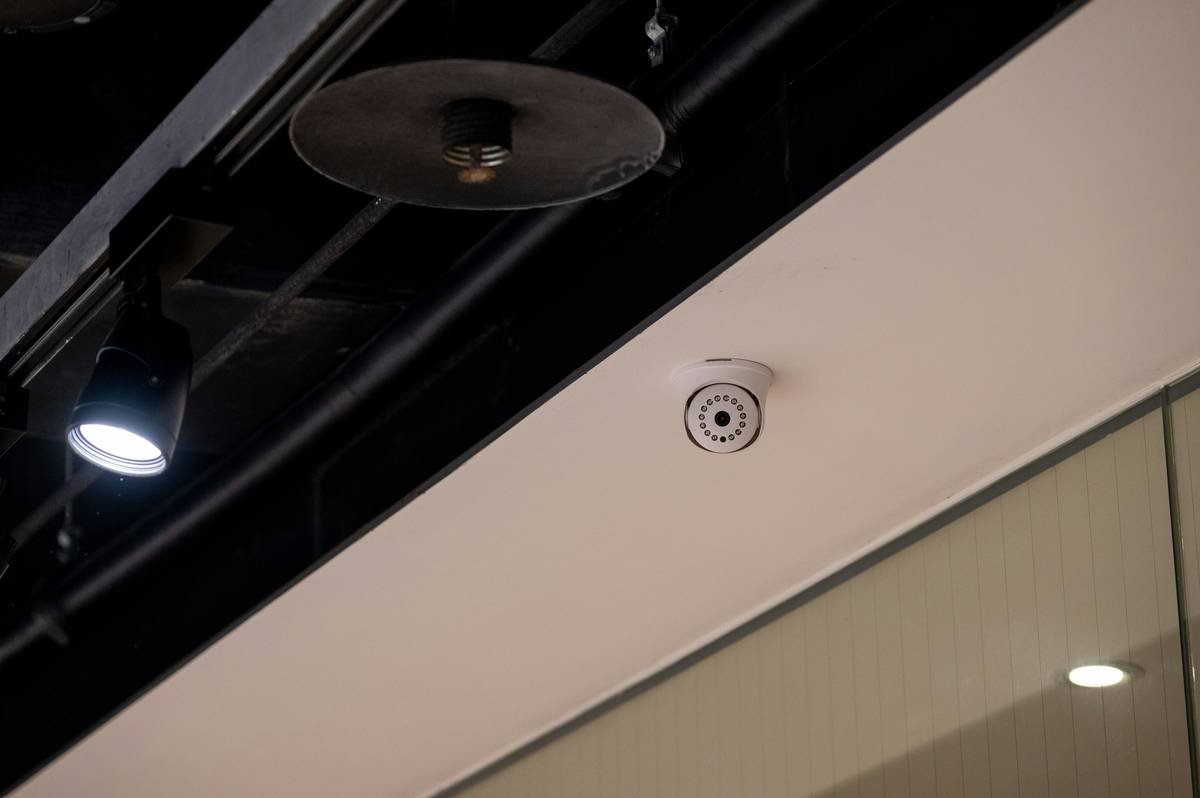
| Fake security cameras | $20–$50 | 2 | Zero benefit—may void coverage |
The Insurance Industry’s Quiet Loophole
Here’s what adjusters rarely disclose: many home insurance policies require basic physical security upgrades before covering theft claims. No reinforced strike plates? Your policy might classify the break-in as “avoidable negligence”—denying your claim outright.
But—and this is critical—if you proactively install insurer-approved hardware (like ANSI Grade 1 deadbolts or UL-listed window sensors), some carriers offer “burglary resistance credits.” Casavicky.com has seen clients reduce premiums by up to 12% simply by submitting receipts for $80 in hardware upgrades.
Think about it: paying $80 to potentially save $300/year and guarantee claim approval? That’s not security. That’s financial leverage.
FAQ: Quick Answers to Real Homeowner Questions
Do fake security cameras prevent break-ins?
No—they fool no one. Experienced burglars spot fakes instantly. Worse, relying on them may void insurance coverage if deemed negligent.
What’s the #1 time burglars target homes?
Between 10 a.m. and 3 p.m. on weekdays. They assume you’re at work. Use randomized smart lighting to disrupt this assumption.
Can renters apply these preventing home burglaries tips and tricks?
Absolutely. Use removable window film, portable door jammers, and smart plugs—all landlord-friendly, none require drilling.