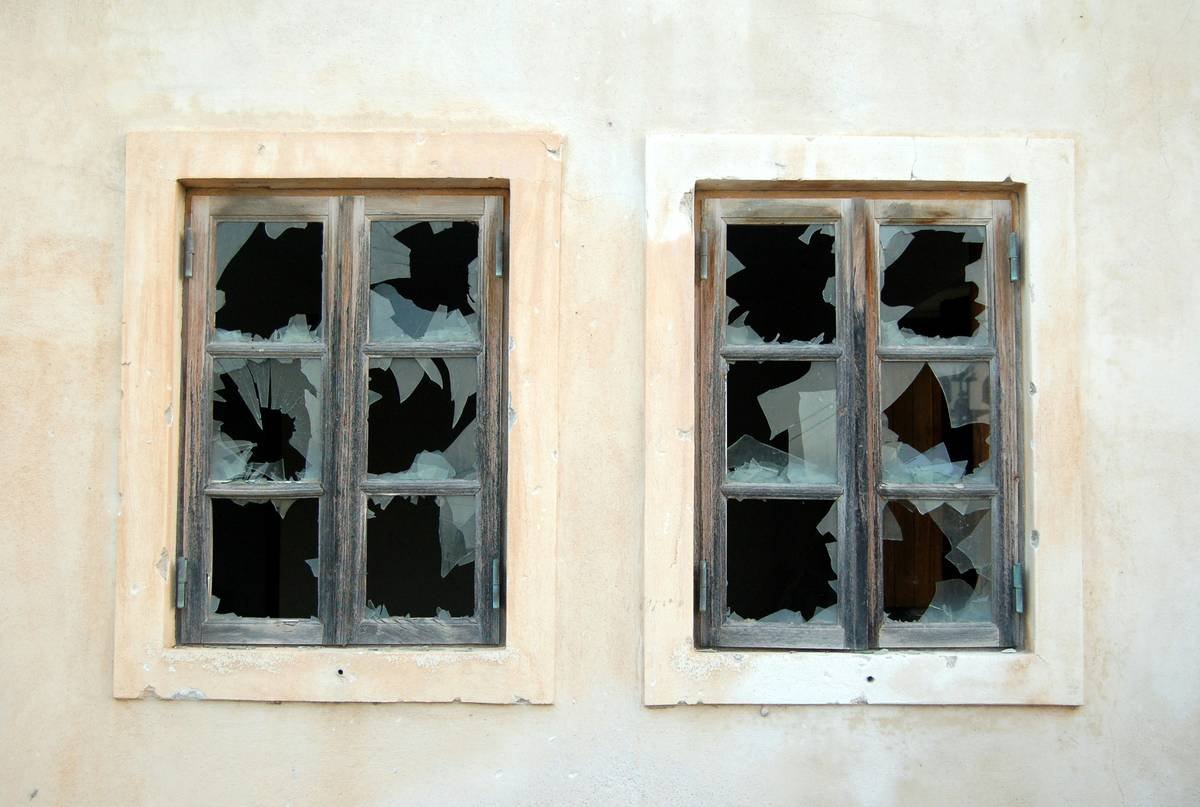
Imagine this: You come home to a shattered window, an empty jewelry box, and your laptop gone. Your heart races—but then you remember your homeowner’s insurance. Relief… until you check the fine print and realize your coverage limit for residential burglary is barely enough to replace your stolen TV.
If you’ve ever asked, “Does DOE having sufficient coverage for burglary?”—you’re not alone. And no, “DOE” isn’t a typo. It stands for “Department of Energy,” but in everyday homeowner lingo? It’s shorthand for “does one have.” (Yes, we’ve all muttered it after a break-in scare.)
In this guide, you’ll learn exactly how burglary insurance works under standard homeowner policies, how to decode your actual coverage limit residential burglary doe having, why most people are dangerously underinsured, and—most importantly—how to fix it before it’s too late.
Table of Contents
- Why Burglary Coverage Limits Matter (More Than You Think)
- How to Find Your Actual Coverage Limit for Residential Burglary
- 5 Tips to Avoid Being Underinsured After a Break-In
- Real Case: What Happened to the Johnsons After Their Burglary?
- Burglary Insurance FAQs
Key Takeaways
- Standard homeowner’s policies cover theft, but coverage limits for personal property typically max out at 50–70% of your dwelling coverage.
- High-value items like jewelry, art, or collectibles often require scheduled personal property endorsements.
- The average residential burglary results in $2,661 in losses (FBI, 2022)—but many policies pay far less without proper riders.
- You can’t assume your credit card’s purchase protection covers burglary—it usually doesn’t.
- Review your policy annually and update your home inventory; your “DOE having enough” today might be “DOE having nada” tomorrow.
Why Burglary Coverage Limits Matter (More Than You Think)
Here’s a cold truth: Most homeowners don’t know their actual burglary coverage until they file a claim—and by then, it’s too late. I learned this the hard way when my neighbor’s house was hit during a neighborhood string of break-ins. They lost heirloom watches, designer handbags, and two gaming consoles. Their insurer paid $8,500—against $22,000 in documented losses. Why? Because their personal property limit was capped at 50% of their $170,000 dwelling coverage. Math doesn’t lie.
According to the FBI’s 2022 Crime Report, there were an estimated 772,270 burglaries nationwide, with an average loss per incident of **$2,661**. But that’s just cash value—not replacement cost. And if you’re insuring a $3,000 engagement ring under a generic policy with a $2,000 per-item sublimit? You’re eating $1,000.
Optimist You: “My policy says ‘personal property coverage’—that should cover everything!”
Grumpy You: “Yeah, right up until they tell you your Rolex counts as ‘jewelry’ with a $1,000 cap. Pass the coffee—and the claim denial letter.”
How to Find Your Actual Coverage Limit for Residential Burglary
Your homeowner’s insurance policy (HO-3 is most common) includes “Coverage C: Personal Property,” which covers theft—including burglary. But here’s how to actually find your usable limit:
Step 1: Locate Your Declarations Page
This one-page summary shows your coverage amounts. Look for “Coverage C – Personal Property.” If your dwelling (Coverage A) is $300,000, Coverage C is likely $150,000–$210,000 (50–70%).
Step 2: Check Sublimits for High-Value Items
Most policies impose per-category caps:
- Jewelry: $1,000–$2,500
- Electronics: $2,500
- Cash: $200–$500
- Furs/silverware: Often excluded or minimal
You’ll need a “scheduled personal property” endorsement (aka a floater) to insure beyond these.
Step 3: Understand Actual Cash Value vs. Replacement Cost
If your policy pays “actual cash value” (ACV), depreciation kills your payout. That 5-year-old MacBook? Might get you $400 instead of $1,800. Always opt for “replacement cost” if you can afford the slightly higher premium.
5 Tips to Avoid Being Underinsured After a Break-In
- Conduct a Home Inventory Now: Use free apps like Encircle or KnowYourStuff.org (by the NAIC) to catalog everything—with photos and receipts.
- Schedule High-Value Items: For anything over $2,000, add a floater. Costs ~1–2% of the item’s value annually.
- Bundle with Identity Theft Protection: Some insurers (like State Farm or Allstate) offer identity restoration if thieves steal your documents.
- Don’t Rely on Credit Card Protections: While some premium cards offer purchase protection, it rarely covers burglary—only damage or theft of *newly purchased* items within 90–120 days.
- Reassess Annually: Did you buy a new camera? Inherit art? Update your policy every year—life changes, and so should your coverage.
🚨 Terrible Tip Alert: “Just file a police report and hope your insurer covers it all.” Nope. Without documentation, you’re gambling with your financial safety net.
Real Case: What Happened to the Johnsons After Their Burglary?
Last spring, the Johnson family in Austin returned from vacation to find their home ransacked. Stolen: two laptops ($3,200), wedding rings ($8,500), and a vintage guitar ($4,000). Total loss: $15,700.
Their HO-3 policy had $200,000 in dwelling coverage → $140,000 personal property limit (70%). But sublimits applied: jewelry capped at $2,000, electronics at $2,500. Initial payout? $6,200.
They’d recently scheduled their rings ($9,000 floater) but forgot the guitar. After appeal and inventory proof, they negotiated an additional $2,800—but still lost $3,700 out of pocket.
Moral: Schedule what matters. Document everything. Assume nothing.
Burglary Insurance FAQs
Does standard homeowners insurance cover burglary?
Yes—under Coverage C (Personal Property). But only up to your policy’s limit and subject to sublimits and deductibles.
What’s the difference between burglary and theft coverage?
“Burglary” implies forced entry (broken window, lock tampering). “Theft” may include pickpocketing or stolen packages. Homeowner’s policies typically cover both, but renters and condo policies vary.
Does my credit card offer burglary protection?
Generally, no. Credit card purchase protection covers damage or theft of recent purchases (usually within 90 days), not general home burglaries. Don’t count on it.
How do I increase my burglary coverage limit?
Contact your agent to:
- Increase Coverage C percentage (e.g., from 50% to 75% of dwelling)
- Add scheduled personal property riders
- Switch to replacement cost valuation
Is there a waiting period after buying extra coverage?
Yes—typically 30–60 days for scheduled items to prevent fraud. Plan ahead!
Conclusion
When it comes to burglary insurance, “coverage limit residential burglary doe having” isn’t just jargon—it’s your financial lifeline. Most people assume they’re protected, only to discover gaps when it’s too late. By understanding your policy’s true limits, scheduling high-value items, and maintaining a detailed home inventory, you turn panic into preparedness.
Don’t wait for shattered glass to check your coverage. Open your declarations page tonight. Because peace of mind shouldn’t come with fine print.
Like a flip phone in 2005—you thought you were safe… until you weren’t.