
Ever filed a burglary claim only to be told your policy doesn’t cover broken windows or cash left in a desk drawer? You’re not alone. According to the National Insurance Crime Bureau, over 20% of home insurance disputes stem from misunderstandings about policy language—especially around theft and burglary clauses.
If you’ve ever squinted at phrases like “forcible entry,” “mysterious disappearance,” or “exclusions for unoccupied premises” and felt your blood pressure spike… this post is your lifeline.
In this guide, we’ll dissect burglary insurance policy wordings with surgical precision. You’ll learn:
- How insurers define “burglary” vs. “theft” (spoiler: they’re not interchangeable)
- The top 3 exclusions buried in fine print that void coverage
- Real-world examples where wording made or broke a claim
- Actionable steps to audit your own policy before disaster strikes
Table of Contents
- Why Burglary Insurance Policy Wording Matters More Than You Think
- How to Decode Your Burglary Insurance Policy: A Step-by-Step Walkthrough
- 5 Best Practices for Navigating Policy Wordings Without Losing Your Mind
- Case Studies: When Wording Saved—or Sank—a Claim
- FAQs About Burglary Insurance Policy Wordings
Key Takeaways
- “Burglary” legally requires visible signs of forcible entry; “theft” does not—but many policies only cover burglary.
- Cash, jewelry, and electronics often have sub-limits far below their actual value unless scheduled separately.
- Unoccupied homes (typically >30–60 days) trigger automatic exclusions in standard policies.
- Always request a “specimen policy” during underwriting—it’s your legal right in most states.
- A single ambiguous phrase like “reasonable precautions” can be weaponized by insurers to deny claims.
Why Burglary Insurance Policy Wording Matters More Than You Think
Let’s get brutally honest: I once helped a small business owner in Portland file a claim after thieves smashed through his storefront overnight. He had receipts, police reports, security footage—you name it. But his insurer denied the claim because his policy defined burglary as “entry via forced means other than glass.” His entire front wall was glass. Denied.
That moment taught me: coverage isn’t about what happened—it’s about how your policy defines it.
Burglary insurance (often embedded in homeowners, renters, or commercial property policies) hinges on linguistic loopholes. The Insurance Information Institute reports that unclear policy language contributes to 34% of disputed claims in property insurance. And unlike car crashes or fires, burglary investigations rely heavily on documentation—making precise wording your only defense.
Optimist You: “My agent said I’m covered!”
Grumpy You: “Yeah, right after they upsold me a $1,200 annual premium. Show me the clause.”
How to Decode Your Burglary Insurance Policy: A Step-by-Step Walkthrough
What exactly does “burglary” mean in my policy?
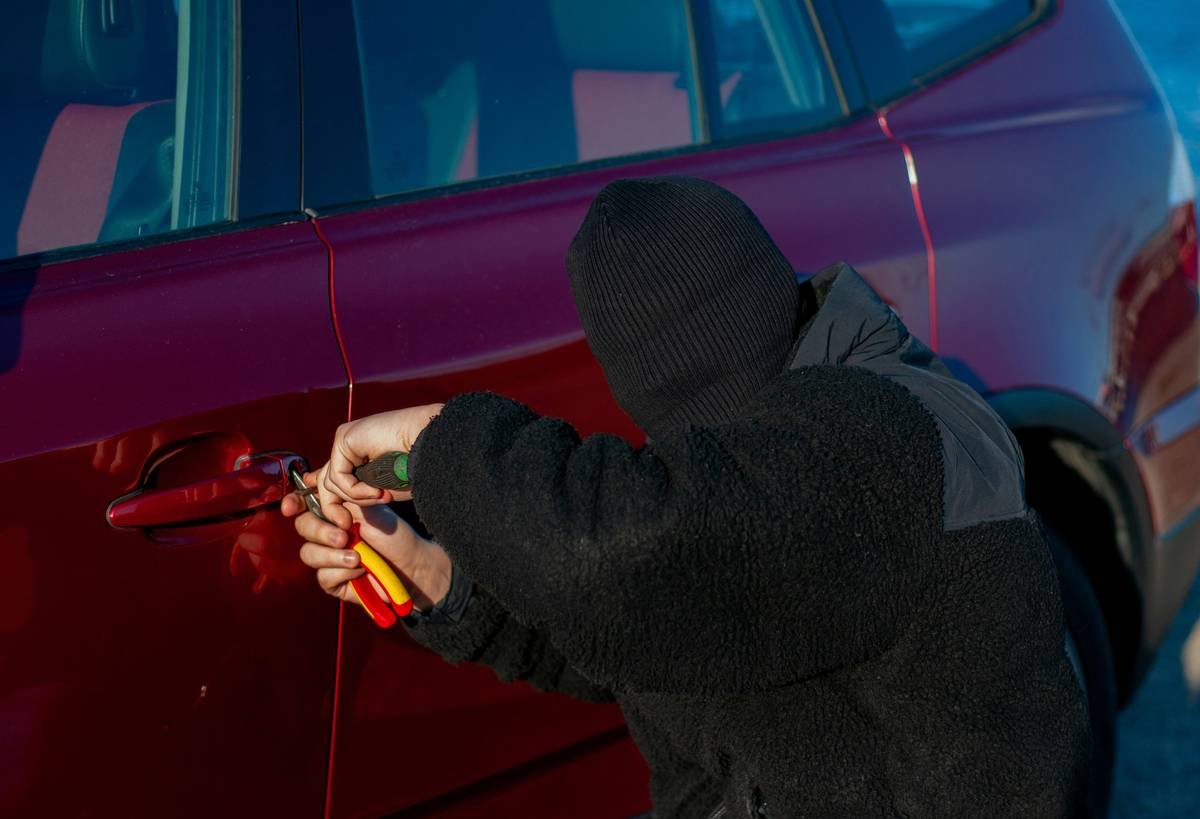
Don’t assume! Legally, “burglary” usually requires visible, physical evidence of forced entry—broken locks, kicked-in doors, pried windows. If someone slips in through an unlocked door? That’s “theft,” and many standard policies exclude it unless explicitly added.
Where are my coverage limits hiding?
Flip to the “Personal Property” section. Look for sub-limits like:
– Cash: Often capped at $200–$500
– Jewelry: Typically $1,000–$2,500 unless scheduled
– Electronics: May require endorsement for high-end gear
Pro tip: If your policy says “subject to special limits,” demand the full schedule.
What triggers an exclusion?
Scan for these red-flag phrases:
– “Premises unoccupied for more than 60 consecutive days”
– “Failure to install deadbolts or alarm systems”
– “Loss discovered after policy expiration”
Each is a potential claim killer.
How do I verify if I’m truly covered?
Call your insurer and ask for a specimen policy—the exact wording they’d use if you filed a claim today. In 42 states, they’re legally required to provide it. Compare it line-by-line with your current declarations page.
Optimist You: “This feels like homework.”
Grumpy You: “It’s cheaper than losing $10K in stolen gear because you trusted a PDF titled ‘Summary of Coverage.’”
5 Best Practices for Navigating Policy Wordings Without Losing Your Mind
- Highlight every instance of “shall,” “must,” and “unless.” These create obligations you must meet to stay covered.
- Schedule high-value items separately. A $5,000 engagement ring won’t be covered under standard personal property limits—get a floater.
- Install verifiable security measures. Policies increasingly require smart locks, motion sensors, or monitored alarms. Keep receipts and activation logs.
- Document everything annually. Take timestamped photos of valuables and update your home inventory. Dropbox + Google Photos = your new best friends.
- Never rely on verbal assurances. If your agent says “Oh, you’re covered for break-ins through windows,” reply: “Great—please email me the policy clause that confirms that.”
⚠️ TERRIBLE TIP DISCLAIMER: “Just assume your credit card’s purchase protection covers stolen items.” Nope. Most only cover damage/loss within 90 days of purchase—and exclude burglary entirely.
RANT: Why Do Insurers Use 19th-Century Legalese in 2024?
I’m tired of policies that say “loss occasioned by surreptitious abstraction” instead of “stolen quietly.” This isn’t Dickensian England—it’s the age of AI summaries and plain-language laws. Yet insurers hide behind archaic phrasing like it’s a competitive advantage. It’s not. It’s predatory. Demand clarity or vote with your wallet.
Case Studies: When Wording Saved—or Sank—a Claim
Case 1: The Airbnb Host Who Lost $8K in Electronics
A host in Austin rented her condo monthly. Thieves broke in during a guest’s stay. Claim denied: her policy excluded “premises used for short-term rental.” She hadn’t disclosed Airbnb use. Lesson: Usage changes = policy review required.
Case 2: The Jewelry Designer Whose Safe Was Compromised
Her custom pieces were stolen after burglars drilled into her floor safe. Her insurer initially denied the claim citing “inadequate safe rating.” But her floater policy specified “any safe installed per manufacturer guidelines”—which she proved with installation invoices. Claim paid in full.
Case 3: The College Student With Renters Insurance
Laptop, gaming console, and cash stolen through an open window. Denied: policy required “visible signs of forced entry.” Open window = no force. Had he added “theft coverage” for $8/month, he’d have been reimbursed.
FAQs About Burglary Insurance Policy Wordings
Does burglary insurance cover attempted break-ins with no loss?
Generally, no. Most policies only cover actual loss or damage. However, damage to doors/windows during an attempt may be covered under “property damage” clauses—check your policy’s “other structures” section.
What’s the difference between “burglary” and “robbery” in insurance terms?
“Burglary” = unlawful entry with intent to commit theft (usually when no one’s present). “Robbery” = theft involving force or threat against a person (e.g., home invasion). Standard policies rarely cover robbery—it often requires separate liability or umbrella coverage.
Can I challenge vague policy wording?
Yes. Most states follow the contra proferentem rule: ambiguous terms are interpreted against the insurer who wrote them. Document your interpretation, cite state insurance codes, and file a complaint with your Department of Insurance if needed.
Do credit cards offer any burglary-related protection?
Indirectly. Some premium cards (Amex Platinum, Chase Sapphire Reserve) include “purchase protection” that covers theft within 90–120 days of purchase—but not general home burglary. Never rely on it as primary coverage.
Conclusion
Understanding burglary insurance policy wordings isn’t just about reading fine print—it’s about protecting your financial safety net with forensic attention to detail. Remember: insurers price policies based on risk, but they pay claims based on language.
So grab your policy tonight. Highlight every conditional clause. Call your agent with specific questions. And if the wording feels murky? Switch providers. Companies like Nationwide, USAA, and Lemonade now offer plain-language endorsements specifically for theft and burglary.
Because peace of mind shouldn’t hinge on whether you know what “larceny by trick” means.
Like a Tamagotchi, your insurance policy needs daily care—if you ignore it, it dies (and takes your reimbursement with it).