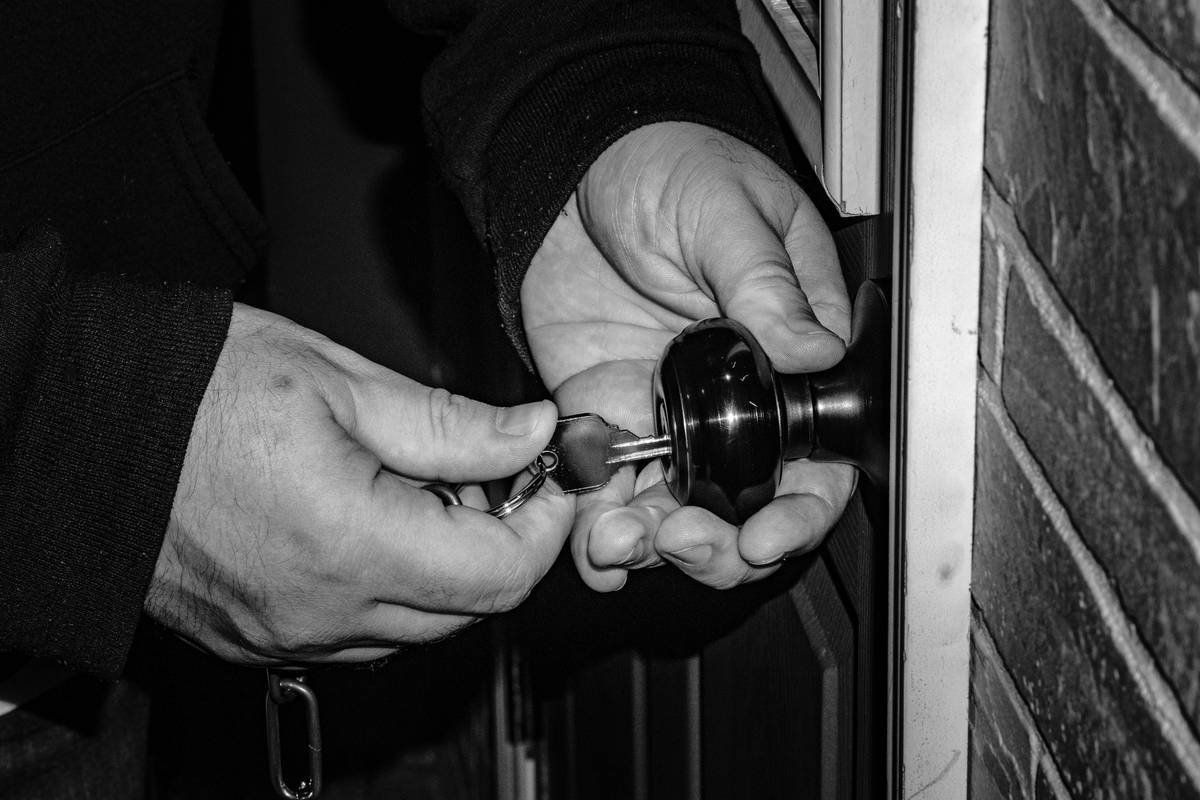
Ever left your house for a weekend getaway, only to spend the entire time worrying about whether you locked the door or if someone might break in? You’re not alone. According to the FBI, a burglary occurs every 26 seconds in the United States. That’s enough to make anyone double-check their locks—and rethink their home safety strategy.
In this post, we’ll dive into practical home safety advice, blending actionable tips with insights on how burglary insurance fits into the bigger picture of securing your home. By the end, you’ll have a solid plan for keeping your sanctuary safe and insured. We’ll cover:
- The Most Overlooked Home Safety Mistakes (and How to Fix Them)
- A Step-by-Step Guide to Securing Your Home Like a Pro
- Tips for Choosing the Right Burglary Insurance Policy
- Real-Life Success Stories of Savvy Homeowners
- Your Burning Questions Answered: FAQs About Home Safety and Insurance
Table of Contents
- Key Takeaways
- The Problem with Ignoring Home Safety
- Step-by-Step Guide to Home Security
- Best Practices for Combining Safety and Insurance
- Real-Life Examples of Effective Home Protection
- FAQs About Home Safety and Burglary Insurance
- Conclusion
Key Takeaways
- Burglaries are shockingly common but often preventable with simple precautions.
- Investing in both physical security measures and burglary insurance gives you peace of mind.
- Poorly chosen insurance policies can leave gaps in coverage—know what to look for before signing up.
- Routines like checking locks and lighting can deter intruders effectively.
The Problem with Ignoring Home Safety
“Optimist You:” “My neighborhood is safe—I don’t need to worry about burglaries.”
“Grumpy Me:” “Yeah, tell that to the 33% of burglars who target homes simply because they see an open window.”
Here’s a confessional fail: A few years back, I accidentally posted vacation pics on Instagram without realizing my geotag broadcasted that I was halfway around the world. The next day, I got a call from my neighbor saying a suspicious van had been parked outside my house. Lesson learned—social media oversharing can turn your dream trip into a burglar’s playground.
Sadly, many homeowners fall prey to avoidable mistakes: weak locks, unlit yards, and zero knowledge of burglary insurance options. These oversights aren’t just inconvenient—they’re costly. And when disaster strikes, it’s too late to think about protection.
Step-by-Step Guide to Home Security
Feeling overwhelmed? Don’t be. Here’s a clear game plan to lock down your fortress:
Step 1: Audit Your Locks
Deadbolts are non-negotiable. If your doors still rely on flimsy spring locks, upgrade immediately. Consider smart locks that let you monitor entry remotely through apps.
Step 2: Brighten Dark Areas
Burglars love shadows. Install motion-sensor lights outside, especially near entry points. Bonus points if you sync them with timers so it looks like someone’s always home.
Step 3: Secure Windows and Sliding Doors
Sliding glass doors? Pop a broomstick in the track to stop forced entries. For windows, go beyond basic latches and install keyed locks or alarm systems.
Step 4: Leverage Technology
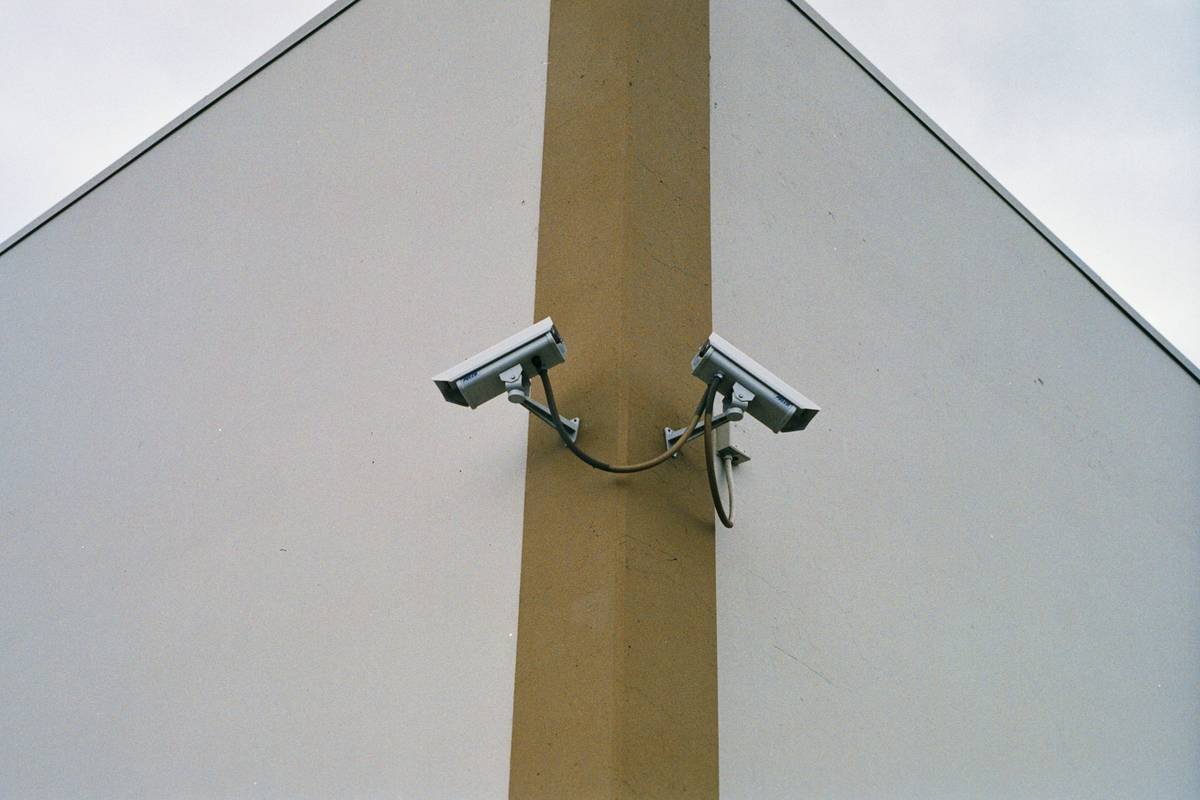
Security cameras and video doorbells act as deterrents while giving you real-time alerts. Apps like Ring or Nest integrate seamlessly with smartphones for ultimate control.
Step 5: Get Burglary Insurance
This isn’t optional—it’s essential. Even the best defenses can fail, and insurance ensures you won’t bear the financial brunt of theft or damage.
Best Practices for Combining Safety and Insurance
- Understand Coverage Limits: Not all policies are created equal. Some cap payouts at $1,000; others offer replacement value based on current prices. Read fine print carefully.
- Document Valuables: Take photos or videos of expensive items. Store receipts digitally so claims are easier to process.
- Review Policy Discounts: Many insurers reward proactive safety measures, like installing alarms or deadbolts.
- Avoid Cheap Plans: Terrible tip alert—going for the cheapest policy may mean massive deductibles or exclusions later. Spend wisely upfront.
Real-Life Examples of Effective Home Protection
Meet Rachel, a homeowner whose smart camera caught two burglars casing her property last winter. Thanks to instant notifications, she alerted local police before anything was stolen. Her comprehensive burglary insurance also covered repairs after the would-be thieves damaged her front door trying to flee.
Another example? Mark, who installed motion-activated floodlights after noticing strangers lurking near his driveway. He hasn’t had a single incident since, proving small investments can yield big results.
FAQs About Home Safety and Burglary Insurance
Q: Does renters insurance cover burglary?
Yes! Renters insurance typically includes personal property protection against theft, though limits vary by provider.
Q: What happens if I forget to lock my door and get robbed?
It depends on your policy. Most standard burglary insurance covers theft regardless of unlocked doors, but exclusions exist. Always clarify terms during signup.
Q: Are DIY security gadgets effective?
They can be! Tools like Ring cameras provide excellent monitoring capabilities, but professional systems might offer more robust features.
Conclusion
Securing your home isn’t rocket science—it’s a mix of smart habits, reliable tools, and strategic planning. By following these steps and pairing them with thoughtful burglary insurance, you can rest easy knowing your haven is protected.
Remember, “home safety advice” isn’t one-size-fits-all. Tailor these strategies to fit your lifestyle and needs. So grab your coffee, take inventory of your setup, and start implementing changes today.
And here’s your quirky haiku to wrap things up:
Locks click, lights glow bright,
Cameras watch through the night,
Peace of mind is sweet.