Ever returned from vacation only to find your home burglarized? It’s a nightmare scenario that affects over 1.7 million households annually in the U.S. alone. While we can’t control every risk, creating a solid home protection checklist can drastically reduce the chances of falling victim to theft—and help you navigate your burglary insurance like a pro. In this guide, we’ll uncover how to protect your home, optimize your insurance policy, and even toss in some quirky tips that might just save your sanity.
Table of Contents
- Why Home Protection Matters (And Why You’re Probably Doing It Wrong)
- Step-by-Step Guide: Crafting the Perfect Home Protection Checklist
- 5 Must-Know Tips for Effective Home Security
- Real-Life Wins: How One Family Avoided Disaster
- FAQs About Burglary Insurance and Home Protection
Key Takeaways
- Your burglary insurance is only as good as your home security measures.
- A detailed home protection checklist helps prevent break-ins and simplifies claims.
- Tech tools like smart locks and cameras are game-changers—but don’t skip basics like sturdy doors.
Why Home Protection Matters (And Why You’re Probably Doing It Wrong)
Let me confess something embarrassing: I once thought my cheap door lock was “good enough.” Spoiler alert—it wasn’t. A neighbor casually mentioned they could pick it open with a bobby pin. Cue my existential crisis about home safety.
Sure, burglars aren’t targeting every house on the block—but they’re opportunists. If your home screams “easy target,” guess what happens next? Studies show most break-ins occur between 10 a.m. and 3 p.m., when homeowners are away. That means leaving your garage door ajar during errands isn’t just lazy—it’s practically rolling out the red carpet for trouble.
Grumpy You: “Ugh, does this mean I have to spend money on fancy gadgets?”
Optimist You: “Not necessarily! Start with simple fixes, then level up.”
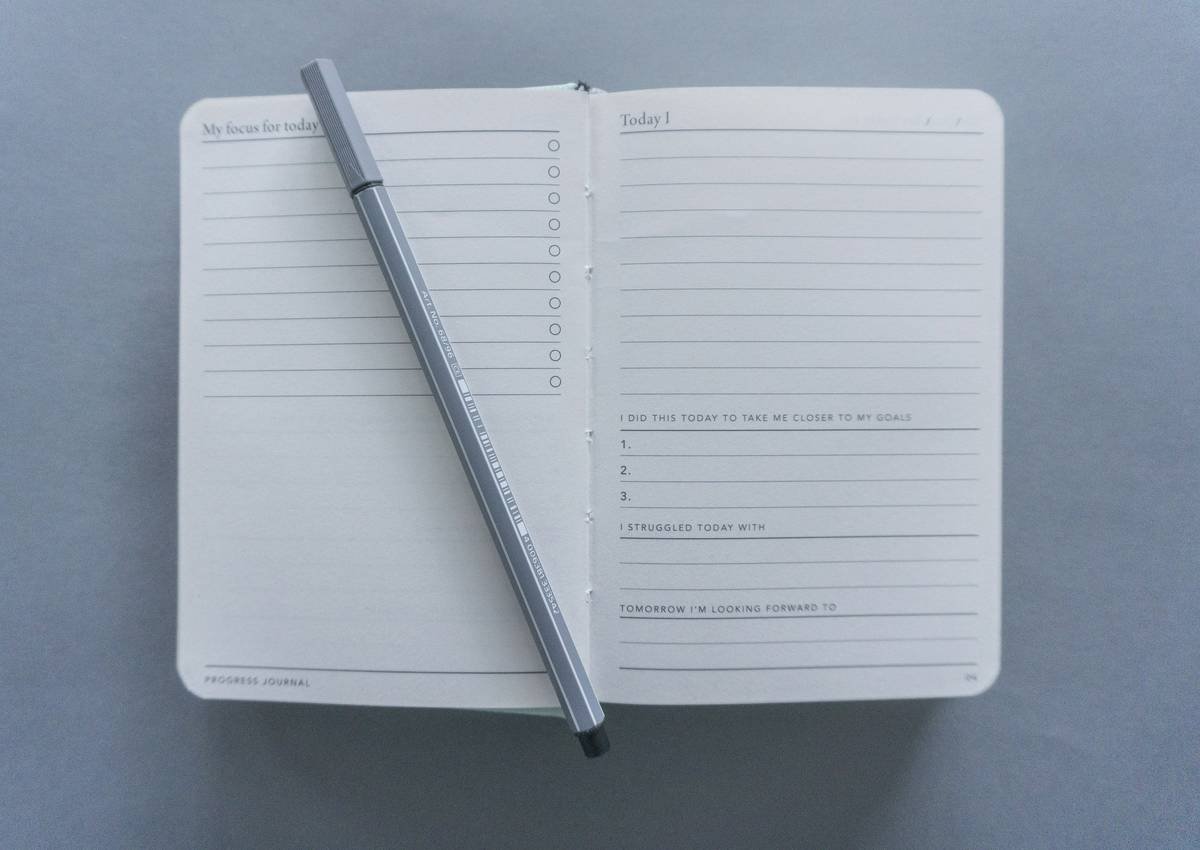
Step-by-Step Guide: Crafting the Perfect Home Protection Checklist
Creating a home protection checklist sounds daunting, but trust us—it’s easier than arguing with customer service. Here’s how to get started:
Step 1: Secure the Perimeter
- Install motion-activated lights around entry points.
- Trim bushes or trees near windows to eliminate hiding spots.
- Use stickers or signs to signal security systems (even decoys work).
Step 2: Upgrade Door & Window Locks
- Replace old locks with deadbolts rated Grade 1 by ANSI standards.
- Add window locks, especially for basement and first-floor windows.
- Invest in a peephole or video doorbell for extra vigilance.
Step 3: Leverage Technology Wisely
“Sure, Ring cameras are chef’s kiss”—but only if you actually check them! Set alerts on your phone and make sure batteries stay charged. Pro tip: Many insurers offer discounts for these upgrades.
Step 4: Create an Inventory List
Document valuables ahead of time. Snap photos, jot down serial numbers, and store this info digitally offsite (Google Drive = lifesaver). This makes filing burglary insurance claims smoother.
Step 5: Review (and Possibly Update) Your Insurance Policy
Don’t wait until after a break-in to realize your policy has gaps. Ask your agent questions like:
– Does it cover replacement costs or actual cash value?
– Are electronics and jewelry included?
If not, consider adding riders.
5 Must-Know Tips for Effective Home Security
- Be Social Media Savvy: Avoid posting vacation updates while you’re away. Burglars love #VacationMode hashtags.
- Fake It Till You Make It: Use timers for lights or invest in smart plugs to create the illusion someone’s home.
- Neighborhood Networking: Join community watch groups—it’s free intel!
- Trash Talk Prevention: Don’t leave boxes for expensive items outside; cut them up and recycle discreetly.
- Avoid Terrible Advice™: Hanging fake spiders or rubber snakes near doors won’t scare anyone except maybe delivery drivers.
Real-Life Wins: How One Family Avoided Disaster
Maria and Tom nearly learned the hard way about poor home protection—until one rainy afternoon changed everything. Their teenager accidentally left the back door unlocked during soccer practice. Hours later, Maria received a notification from her Nest Cam—a stranger lurked suspiciously near their patio. Thanks to quick thinking (and local police), disaster was averted.
“That incident forced us to create a real home protection checklist,” Maria recalls. “Now, locking every door feels automatic—not optional.” Moral of the story? Even small habits matter.
FAQs About Burglary Insurance and Home Protection
Q: Will my insurance pay for stolen electronics?
A: Maybe—but read your policy carefully. Some limit payouts for certain items, so adding additional coverage ensures peace of mind.
Q: Do DIY alarm systems count toward lower premiums?
A: Only professional-grade systems typically qualify. Chat with your insurer to confirm specifics.
Q: What should I do immediately after noticing a break-in?
A: Call law enforcement first, avoid touching anything (for evidence purposes), and contact your insurance provider ASAP.
Conclusion
From securing your perimeter to optimizing your burglary insurance, mastering the art of a home protection checklist empowers you against unforeseen risks. Remember, preparation beats panic every time. So channel Optimist You, appease Grumpy You, and start safeguarding your space today.
Oh, and here’s a bonus haiku because why not:
Deadbolts click shut tight;
Cameras watch empty halls;
Sleep comes easy now.