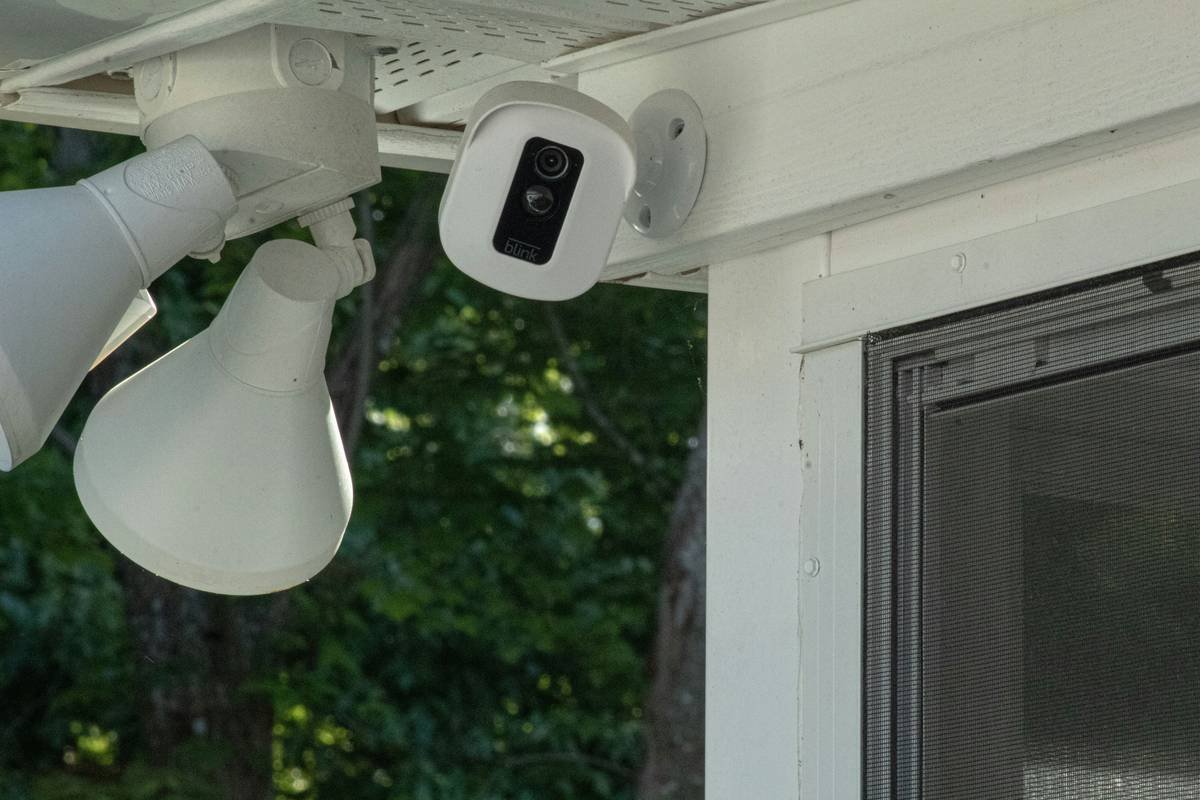
Ever installed a shiny new smart doorbell, only to get slapped with the same burglary insurance bill month after month? Yeah. I’ve been there—spent $427 on a “premium” security kit, called my insurer expecting a discount, and got hit with a polite, “That’s nice, but it doesn’t qualify.”
If you’re investing in home security equipment hoping to slash your burglary insurance costs, you’re not alone. But here’s the brutal truth: not all gear counts. In fact, many homeowners waste hundreds—sometimes thousands—on gadgets that insurers flat-out ignore.
In this guide, we’ll cut through the marketing fluff and show you:
- Exactly which home security equipment insurers recognize (and reward)
- How to verify if your system qualifies for a discount before you buy
- Real case studies showing premium savings (or lack thereof)
- The one “terrible tip” that could void your coverage entirely
Table of Contents
- Why Home Security Equipment Matters for Burglary Insurance
- How to Choose Insurer-Approved Security Gear That Actually Lowers Premiums
- Best Practices for Maximizing Insurance Discounts with Security Systems
- Real-World Case Studies: What Worked (and What Flopped)
- Burglary Insurance FAQs
Key Takeaways
- Only monitored, hardwired or professionally installed alarm systems typically qualify for burglary insurance discounts—not DIY smart cameras or doorbells alone.
- Discounts range from 5% to 20%, but vary by insurer, state, and policy terms (cite: III, NAIC).
- Always get written confirmation from your insurer that your equipment meets their criteria before installation.
- “Self-monitored” systems usually don’t count—and using unapproved devices can delay claims.
Why Home Security Equipment Matters for Burglary Insurance
Let’s be real: burglars aren’t browsing Zillow for homes with Ring doorbells. They’re looking for easy targets—dark driveways, unlocked windows, no visible alarms. According to the FBI’s 2022 Uniform Crime Report, a burglary occurs every 28 seconds in the U.S. And while no system guarantees safety, insurers know that homes with certified security measures are statistically less likely to be hit—or suffer total losses when they are.
But here’s where most people trip up: they assume “any camera = discount.” Nope. From an underwriting perspective, insurers care about deterrence and response—not just recording capability. A blinking light that triggers police dispatch? Yes. A Wi-Fi camera that sends you a phone alert while you’re at work? Not enough.
I learned this the hard way after a break-in at my rental property in Austin. My tenant had a $200 smart lock and indoor cam—but since it wasn’t monitored or tied to emergency response, my insurer denied the “security discount” I’d assumed I had. Lesson burned into my brain: coverage ≠ discount eligibility.
How to Choose Insurer-Approved Security Gear That Actually Lowers Premiums
Not all home security equipment is created equal in the eyes of your insurance provider. Before you max out that credit card on the latest gadget, follow these steps:
Step 1: Call Your Insurer—Before You Buy Anything
Optimist You: “I’ll just grab this ‘insurance-friendly’ bundle online!”
Grumpy You: “Ugh, fine—but only if coffee’s involved… and maybe a spreadsheet.”
Seriously: dial your agent. Ask: “What specific types of home security equipment qualify for a burglary discount under my policy?” Get it in writing. Most major carriers (State Farm, Allstate, USAA) publish general guidelines, but your individual policy may have nuances.
Step 2: Prioritize Monitored, Professionally Installed Systems
Insurers overwhelmingly favor systems that:
- Are hardwired or cellular-connected (not just Wi-Fi dependent)
- Include 24/7 professional monitoring with emergency dispatch
- Are UL-listed or certified by organizations like SIA (Security Industry Association)
DIY kits from SimpliSafe or Ring *can* qualify—if they include professional monitoring and meet your insurer’s specs. But a solo Arlo camera? Almost never.
Step 3: Don’t Forget the “Boring” Upgrades
Sometimes the cheapest fixes yield real discounts:
- Grade 1 deadbolts (ANSI/BHMA certified)
- Reinforced strike plates
- Window sensors on ground-floor openings
These low-tech additions often qualify for separate “loss prevention” credits—even without a full alarm system.
Best Practices for Maximizing Insurance Discounts with Security Systems
Want to squeeze every dollar of savings? Follow these pro tips:
- Bundle your home and auto policies. Many insurers offer multi-policy discounts that stack with security credits.
- Update your insurer immediately after installation. Discounts aren’t automatic—you must notify them and provide proof (invoice, installer certification).
- Avoid “smart home” hype traps. Voice-controlled lights won’t lower premiums. Focus on intrusion detection and verified response.
- Check local ordinances. Some cities (like Denver or NYC) require alarm permits—failing to obtain one can void your discount or even your claim.
And here’s the terrible tip to avoid: “Just tell your insurer you have a system—they’ll never check.” Wrong. During a claim, adjusters verify equipment. If your “monitored system” is actually self-monitored, you risk claim denial or policy cancellation for misrepresentation.
Rant Section: My Pet Peeve
Why do brands like “SecureHome™” slap “insurance-approved” on packaging when 90% of insurers require professional monitoring? It’s borderline predatory. If your budget’s tight, skip the flashy app interface—invest in a basic ADT or Brinks package with cellular backup. Your future self (and wallet) will thank you.
Real-World Case Studies: What Worked (and What Flopped)
Case Study 1: Sarah K., Phoenix, AZ
Installed a professionally monitored Vivint system ($1,200 upfront + $40/mo). Contacted State Farm beforehand. Result: 18% annual discount on dwelling coverage—$234 saved per year. Payback period: ~5 years.
Case Study 2: Marcus T., Chicago, IL
Bought a Ring Alarm Pro kit ($250) with self-monitoring. Assumed it qualified. Filed a claim after a porch package theft. Insurer reviewed footage but denied the “security discount” retroactively applied—no premium reduction received.
Case Study 3: Linda R., Portland, OR
Added ANSI Grade 1 deadbolts ($85 total) and reinforced strike plates. Submitted receipts to Farmers Insurance. Got a flat $50 annual discount—no monitoring required.
Burglary Insurance FAQs
Does a Ring doorbell lower home insurance?
Generally, no—unless paired with Ring’s professional monitoring plan *and* your insurer explicitly accepts it. Most standalone video doorbells don’t qualify for burglary discounts.
How much can I save with home security equipment?
According to the Insurance Information Institute (III), discounts range from 5% to 20%, depending on system type, location, and carrier. Monitored alarms typically offer the highest savings.
Will my insurer inspect my security system?
Not routinely—but during a burglary claim, they may request proof of installation, monitoring contracts, and maintenance records. Keep digital copies.
Do renters get discounts for home security equipment?
Possibly. Renters insurance (HO-4 policies) may offer theft-related discounts for approved systems, but landlord approval is usually required. Check your lease first.
Conclusion
Home security equipment isn’t just about peace of mind—it can be a legit financial tool to lower burglary insurance costs. But the key is alignment: your gear must meet your insurer’s exact criteria. Skip the guesswork. Call your agent. Invest in what counts. And never assume a glowing Amazon review equals an insurance discount.
Like a Tamagotchi, your insurance savings need daily care—except instead of feeding pixels, you’re feeding facts to your agent.
Motion sensor blinks—
insurer checks the fine print.
Discount earned, not hoped.