Ever come home to find your front door slightly ajar, heart racing as you wonder if someone has been inside? That sinking feeling is one no homeowner should experience. Yet, according to the FBI, there were over 1 million burglaries in the U.S. last year alone—many of which could have been prevented with smart preparation. In this guide, we’ll dive deep into home safety advice tailored not just for physical security but also how it ties into burglary insurance and protecting your credit card information. You’ll walk away equipped with actionable steps, quirky tips, and even a rant about things that drive me nuts in this space.
Table of Contents
- Key Takeaways
- The Big Problem with Home Safety (and Why It Matters)
- Step-by-Step Guide to Improving Your Home’s Security
- Top Tips for Combining Burglary Insurance with Home Safety Advice
- Real-Life Success Stories: How Others Stayed Safe
- Frequently Asked Questions About Home Safety Advice
Key Takeaways
- Burglary insurance can save thousands—but only if paired with proactive home safety measures.
- Your credit cards are vulnerable during break-ins; protect them by locking up sensitive data.
- Smart tech like cameras and alarms go beyond “nice-to-haves”—they’re essential for modern home safety.
- Not all home safety advice works universally; avoid generic solutions and tailor strategies to your needs.
The Big Problem with Home Safety (and Why It Matters)
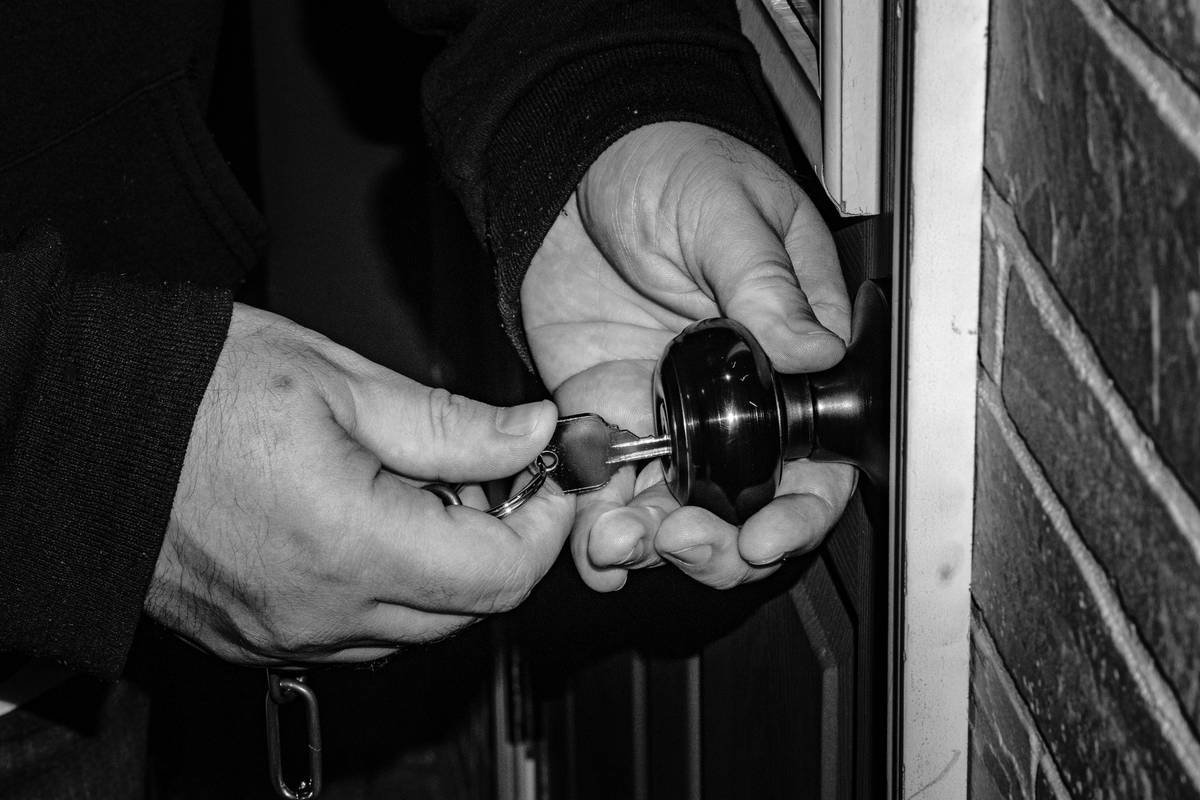
Here’s a confession: A few years back, I left my spare key under the doormat. *Cue facepalm emoji.* Sure enough, when I returned from vacation, I discovered my house had been ransacked. Worst part? My wallet—and every credit card in it—was gone.
This isn’t just my story. Burglars love targeting homes with poor security because it’s easy pickings. And let’s be honest: nobody thinks about their spare key hiding spot until it’s too late. The truth is, most people wait until something bad happens before taking action on home safety.
“Optimist You:” ‘Hey, maybe burglars won’t target me!’
“Grumpy Me:” ‘Ugh, stats say otherwise.’
Step-by-Step Guide to Improving Your Home’s Security
Step 1: Beef Up Physical Barriers
Your doors and windows are often the weakest links. Make sure:
- All exterior doors have deadbolts.
- Windows have locks or reinforced glass.
- No valuables are visible near windows.
Step 2: Install Smart Tech
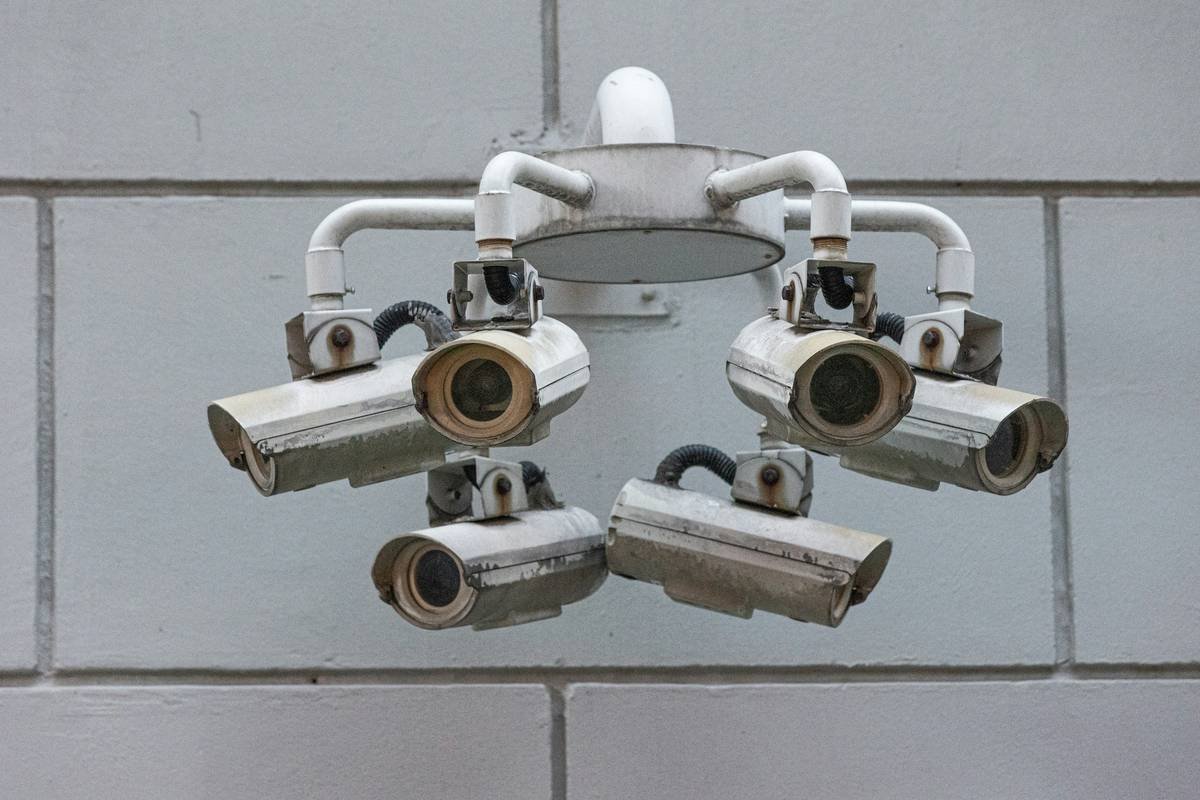
Cameras, motion sensors, and video doorbells aren’t luxuries anymore—they’re necessities. Tools like Ring Video Doorbell or Nest Cams scare off intruders and give you peace of mind while traveling.
Step 3: Secure Financial Data
If burglars get hold of your credit cards, they can wreak havoc on your finances. Use a small safe to store documents, IDs, and emergency cash out of sight.
Top Tips for Combining Burglary Insurance with Home Safety Advice
- Review Your Policy Regularly: Ensure your burglary insurance covers thefts due to forced entry and stolen credit cards.
- Create an Inventory List: Document electronics, jewelry, and other valuables so claims go smoothly.
- Avoid Cheap Locks: Splurge on quality locks—it’s cheaper than replacing stolen items.
Terrible Tip Alert: Don’t rely solely on blackout curtains for privacy. Yes, they work sometimes, but determined thieves will test windows first.
Real-Life Success Stories: How Others Stayed Safe
Meet Sarah T., a mom of two who invested in a comprehensive home security system after reading countless home safety advice articles. “I added cameras at every entry point,” she says. “When a burglar tried breaking in through our backyard shed, the police were alerted immediately.” Result? Zero loss and a sense of relief.
Moral of the story: Prevention pays off—in both dollars and sanity.
Frequently Asked Questions About Home Safety Advice
Q: Is burglary insurance worth the cost?
Absolutely. Without it, replacing stolen items or repairing damage can drain your savings.
Q: What does “home safety” cover?
It includes everything from securing valuables to safeguarding digital accounts tied to your financial info.
Q: Can smart devices prevent break-ins?
Yes, studies show homes without security systems are three times more likely to be targeted.
Conclusion
Improving your home’s safety doesn’t have to feel overwhelming. By blending practical changes like installing better locks with smart tools and solid burglary insurance, you create layers of protection against potential threats. And remember: securing your credit cards and personal data is just as crucial as locking your doors.
Like dial-up internet in the early 2000s, outdated home safety practices are painfully slow. Time to upgrade—and secure your castle.
*Bonus Easter Egg Haiku:*
Locked gates stand guard tight,
Tech watches over night,
Peace lives within walls.*