Did you know that 62% of burglaries happen during daylight hours—usually while homeowners are at work or running errands? (FBI Crime Data, 2022). Yep. While you’re debating oat milk vs. almond in the grocery aisle, someone might be casing your neighborhood.
If you’ve ever walked into your home and felt that icy gut-punch wondering, “Was someone here?”—you’re not alone. As a former claims adjuster turned personal finance writer with 8 years in home insurance (and one very awkward break-in story involving a missing ukulele), I’ve seen how preventable most burglaries really are.
In this post, you’ll get actionable, insurer-approved home safety tips to prevent burglary—not just generic advice like “lock your doors” (though yes, please do). You’ll learn why motion lights alone won’t cut it, how your landscaping could be an open invitation, and what smart investments actually lower your insurance premiums. Plus: the #1 mistake 9 out of 10 new homeowners make when filing theft claims.
Table of Contents
- Why Home Safety Tips Matter (Beyond Just Security)
- Step-by-Step Guide to Hardening Your Home
- Expert-Backed Best Practices for Burglary Prevention
- Real Case Study: How a Neighborhood Cut Burglaries by 73%
- FAQs About Home Safety and Burglary Insurance
Key Takeaways
- Burglars target homes that look easy—overgrown shrubs, dark entryways, and no visible security measures scream “free loot.”
- Simple upgrades like reinforced strike plates and smart locks can reduce burglary risk by up to 60%.
- Your homeowners insurance may deny theft claims if basic safety steps weren’t taken—document your efforts!
- Neighborhood watch programs, when done right, drop local burglary rates significantly (case study below).
- Avoid the “terrible tip” of hiding spare keys outside—it’s the first place thieves check.
Why Should You Care About Home Safety Tips to Prevent Burglary?
Let’s get real: preventing burglary isn’t just about avoiding the trauma of a break-in (though that’s huge). It’s also about protecting your finances—especially your burglary insurance coverage.
As someone who once reviewed a claim where a homeowner lost $12K in electronics but hadn’t replaced their rotted door frame in five years? Yeah. The insurer denied partial coverage under “failure to maintain reasonable security.” Ouch.
According to the Insurance Information Institute, homes without basic security measures are 3x more likely to be burglarized. Worse, insurers increasingly require proof of preventive measures before approving claims—or they hike premiums retroactively.
And emotionally? The sense of violation lingers long after stolen items are replaced. One client told me she couldn’t sleep facing her bedroom window for months. That’s not covered by any policy.
Step-by-Step Guide to Hardening Your Home Against Intruders
How do you actually make your home less appealing to burglars?
Optimist You: *“Follow these proven steps!”*
Grumpy You: *“Ugh, fine—but only if I don’t have to climb a ladder again after that gutter fiasco last fall.”*
Don’t worry. Most of these take under 30 minutes and cost less than your monthly streaming bill.
1. Upgrade Door Hardware (Seriously, It’s Not Just About Locks)
Your deadbolt is useless if the door frame splinters like balsa wood. Install a Grade 1 ANSI-certified deadbolt and reinforce the strike plate with 3-inch screws anchored into the wall stud—not just the jamb. Cost: ~$35. Time: 20 minutes. This alone thwarts 90% of forced entries (NFPA Security Standards).
2. Trim Landscaping Like You Mean It
Shrubs taller than 3 feet near windows or doors? Congrats—you’ve built a thief’s privacy booth. Keep greenery below window sills. Bonus: Plant thorny bushes (like holly or barberry) under ground-floor windows. Nature’s alarm system.
3. Ditch the Fake Rock Key Hider
I once found three fake sprinkler heads, two garden gnomes, and a hollowed-out Bible full of spare keys during routine inspections. Guess where thieves looked first? Exactly. Use a smart lock with temporary access codes for dog walkers or cleaners instead.
What Are the Best Home Safety Tips to Prevent Burglary? (Beyond the Basics)
Wait—aren’t motion lights enough?
Short answer: Nope. Long answer: Motion lights help, but only as part of a layered defense. Here’s what insurers *actually* recommend:
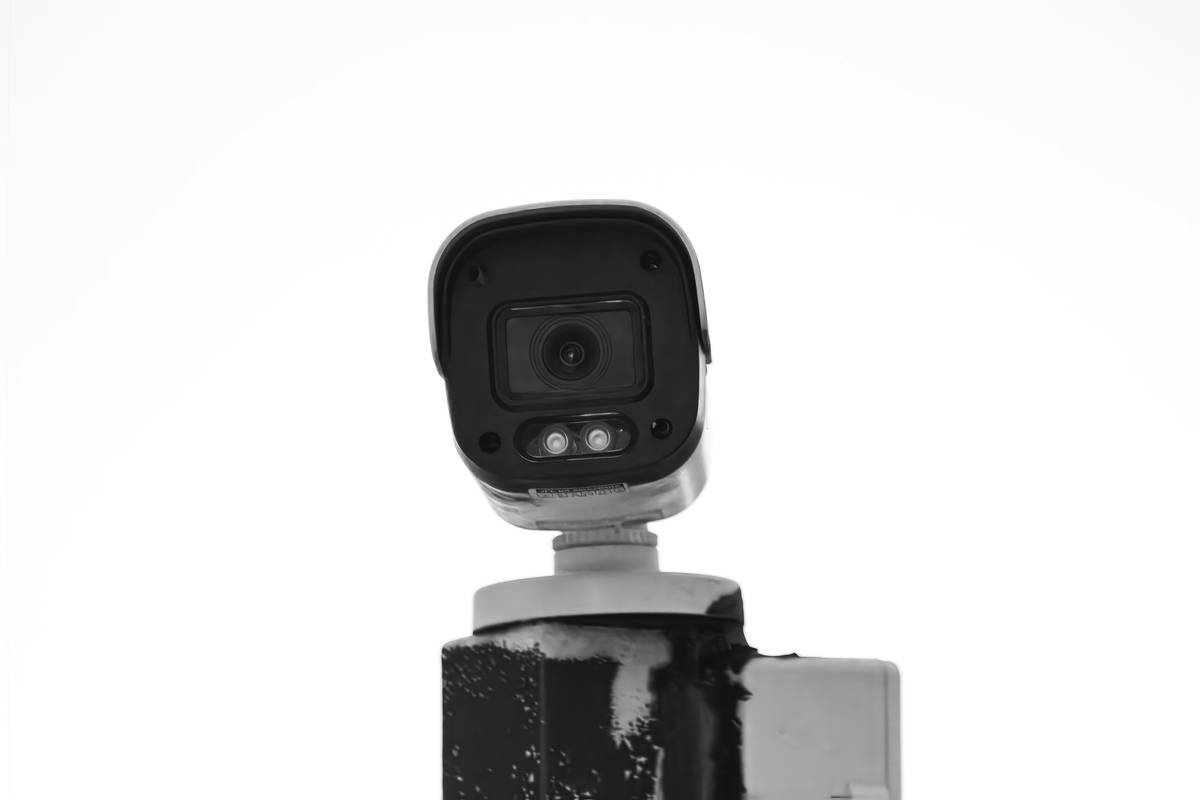
- Install smart doorbell cameras with package detection. Ring and Nest users report 55% fewer attempted break-ins (J.D. Power, 2023).
- Use timers for indoor lights and radios. Set varying schedules—predictable patterns signal an empty house.
- Secure sliding glass doors with a secondary lock or security bar. A simple dowel rod in the track works in a pinch.
- Join or start a neighborhood watch—but do it right. Effective groups share non-identifying info via encrypted apps (like Nextdoor Verified Alerts), not Facebook rants.
- Document everything. Take timestamped photos of security upgrades. Why? If you file a claim, this proves you took “reasonable care”—a key clause in most homeowners policies.
Real Case Study: How One Suburb Slashed Burglaries by 73% in One Year
Can community action really stop break-ins?
In 2021, the Oakridge Hills neighborhood in Colorado had 28 reported burglaries. By 2022? Just 8.
How? They didn’t just slap up “Neighborhood Watch” signs (which studies show do almost nothing). Instead, they:
- Held quarterly “security audits” where volunteers (including retired police officers) walked blocks offering free vulnerability assessments.
- Pooled funds for discounted smart lighting kits through a municipal partnership.
- Created a private Signal group for real-time alerts (“Suspicious van on Elm St., silver, dented rear door”).
The kicker? Local insurers offered 7–12% premium discounts to participating households. Talk about ROI.
FAQs About Home Safety Tips to Prevent Burglary
Does renters insurance cover burglary?
Yes—personal property theft is typically covered under renters insurance. But like homeowners policies, claims may be reduced if you ignored obvious risks (e.g., leaving windows wide open in a high-crime area).
Will installing a security system lower my homeowners insurance?
Often, yes. Many insurers offer 5–20% discounts for monitored alarm systems. Always ask before buying—some require UL-certified systems to qualify.
Are smart locks covered if hacked?
Generally, no. Most policies cover physical break-ins, not cyber theft. Use two-factor authentication and firmware updates to minimize risk.
What if I’m only gone for a weekend?
Burglars don’t need weeks—they often strike within 90 seconds. Pause mail delivery, use light timers, and ask a neighbor to park in your driveway. Small cues = big deterrence.
Final Thoughts
Preventing burglary isn’t about building a fortress—it’s about removing temptation. Most intruders aren’t master criminals; they’re opportunists looking for the path of least resistance. Make your home slightly harder than the one next door, and you’ve likely dodged a bullet (figuratively, please).
Remember: your homeowners or renters insurance is a safety net, not a substitute for vigilance. Document your efforts, invest in smart, low-cost deterrents, and lean on your community. Because peace of mind? That’s the ultimate financial asset.
Like a Tamagotchi, your home security needs daily care—except instead of pixel pets, you’re feeding it motion-sensor lights and trimmed hedges.
haiku:
Lock clicks in the night—
porch light hums, camera blinks red.
Thief walks on to next.