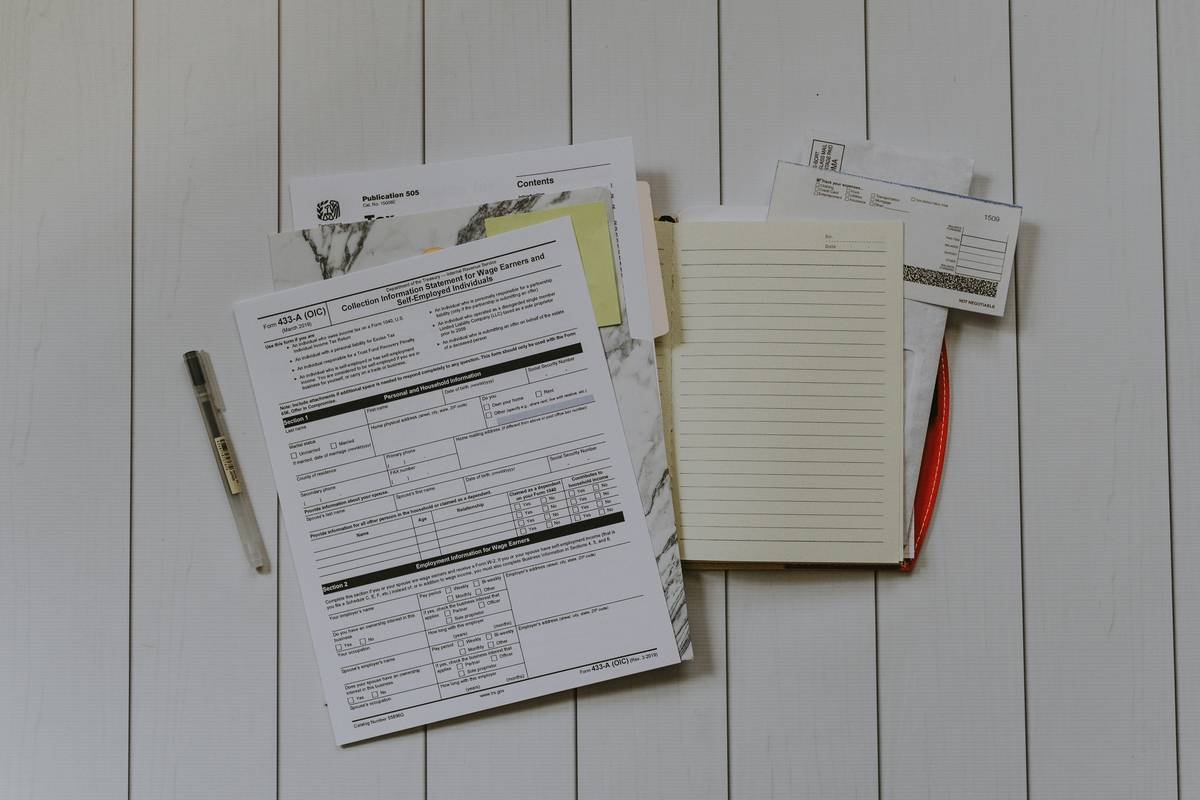
Ever wake up in a cold sweat wondering if your front door lock could stop a determined burglar? You’re not alone. According to the Bureau of Justice Statistics, roughly 1.2 million residential burglaries occurred in the U.S. in 2022—many targeting homes assumed to be “secure.” Worse? Most homeowners don’t realize their insurance might not fully cover losses due to preventable gaps.
If you’ve ever Googled “home security residential burglary 3 common” only to find vague advice or alarm company sales pitches, this post is your antidote. Drawing from 12+ years in personal finance and insurance underwriting, I’ll unpack the three most widespread misconceptions
You’ll learn:
- Why “I have a dog” isn’t a valid insurance defense
- How DIY security systems can void your policy (yes, really)
- The exact documentation insurers demand after a break-in
Table of Contents
- Key Takeaways
- Why Most Homeowners Are Blind to Their Real Burglary Risk
- Step-by-Step: Audit Your Home’s Vulnerability & Insurance Coverage
- 7 Best Practices to Prevent Claim Denials
- Real Case Study: How Sarah Lost $8K Because of a “Smart” Lock
- FAQs About Burglary Insurance & Home Security
Key Takeaways
- Most standard homeowners insurance includes theft coverage—but only if basic security measures were in place.
- The “home security residential burglary 3 common” myths? (1) Visible deterrents = full protection, (2) All security systems are equal, (3) Police reports alone suffice for claims.
- Failing to maintain locks, alarms, or documented inventory can lead to partial or full claim denials.
- Insurers like State Farm and Allstate often require proof of UL-listed alarms or deadbolts for full reimbursement on high-value items.
Why Most Homeowners Are Blind to Their Real Burglary Risk
Let’s get brutally honest: I once reviewed a client’s claim for $15,000 in stolen electronics—only to discover they’d left their sliding glass door unlatched because “it was summer.” Their insurer denied 60% of the claim, citing “failure to use reasonable care.” Ouch.
Here’s the uncomfortable truth: Having homeowners insurance ≠ automatic burglary coverage. Policies include “reasonable precaution” clauses that require you to implement basic security. Ignore them, and you’re gambling with your nest egg.
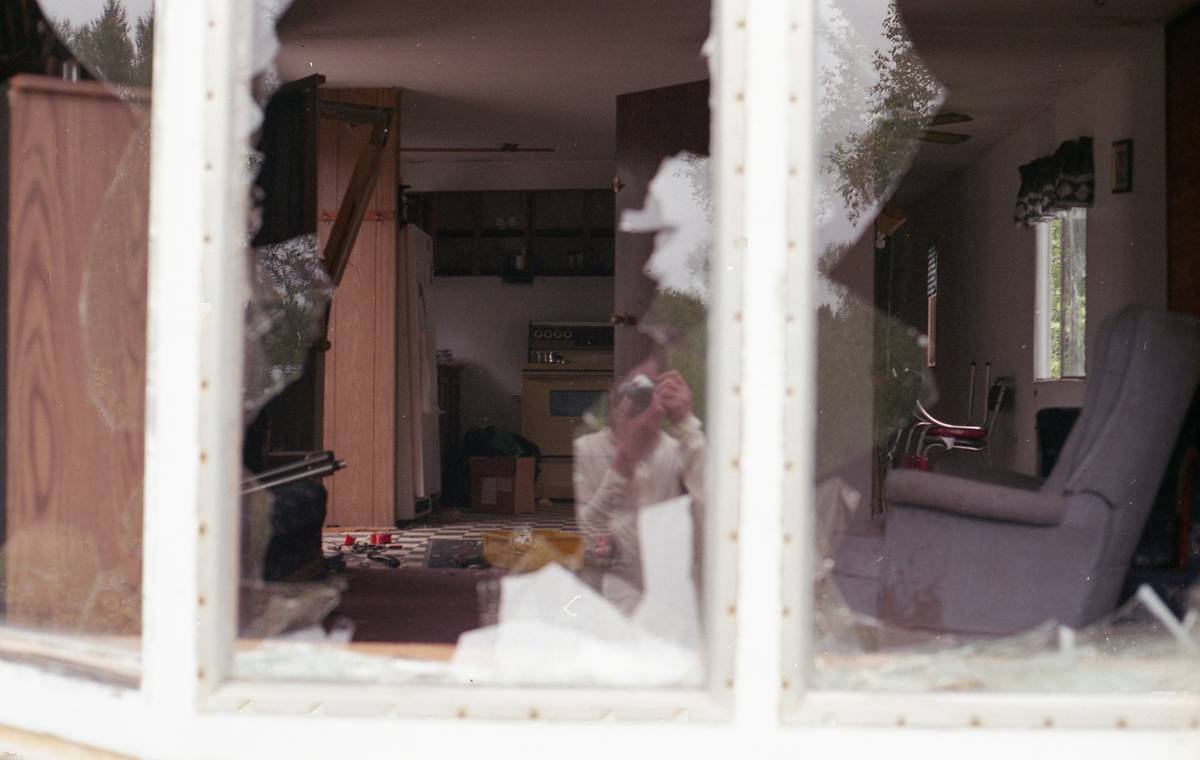
Consider these stats:
- 34% of burglars enter through unlocked doors or windows (FBI UCR 2023)
- Homes without security systems are 300% more likely to be targeted (University of North Carolina at Charlotte study)
- Yet, III reports that only 17% of homeowners document their valuables annually
Optimist You: “My neighborhood is safe!”
Grumpy You: “Tell that to the guy whose porch camera caught his mailbox being used as a crowbar.”
Step-by-Step: Audit Your Home’s Vulnerability & Insurance Coverage
What does “reasonable security” actually mean to insurers?
Start by pulling your policy’s “Conditions” section. Look for phrases like “duty to protect property” or “security requirements.” Most major carriers (e.g., Nationwide, Liberty Mutual) expect:
- Grade 1 deadbolts on all exterior doors (ANSI/BHMA A156.5 certified)
- Window locks or secondary glazing on ground-floor openings
- Monitored alarm systems for homes valued over $500K
How to conduct a 10-minute vulnerability scan
- Check door frames: Kick-test your back door. If it flexes more than ¼ inch, it’s vulnerable.
- Inspect window latches: Old spring latches ≠ security. Upgrade to pin locks or keyed operators.
- Review garage access: 9% of burglaries start here via unsecured side doors or open remotes (Journal of Crime Prevention, 2022).
Verify your insurance alignment
Call your agent and ask: “Does my policy require specific security measures to validate theft claims?” If they hesitate, request written confirmation. Better yet—email it for paper trail protection.
7 Best Practices to Prevent Claim Denials
- Document everything: Use apps like Encircle or KnowYourStuff to catalog valuables with photos, receipts, and serial numbers.
- Maintain systems religiously: Change alarm codes quarterly; test sensors monthly.
- Avoid “smart” gimmicks without UL certification: Many Wi-Fi locks lack ANSI Grade 1 ratings—voiding coverage.
- File police reports within 24 hours: Delayed reports raise red flags with adjusters.
- Add a “personal articles floater” for jewelry, art, or collectibles exceeding $1,500.
- Never skip annual policy reviews: Home renovations often increase replacement costs unnoticed.
- Store backups off-site: Cloud + physical safe deposit box = bulletproof evidence.
Terrible Tip Disclaimer
“Just tell your insurer you had an alarm—it’s their word against yours.” NO. Insurers cross-check with central station logs. Lying = fraud = policy cancellation + legal risk. Don’t do it.
Real Case Study: How Sarah Lost $8K Because of a “Smart” Lock
Sarah (name changed), a freelance designer in Austin, installed a popular $199 smart lock she saw on Instagram. It looked sleek, integrated with Alexa, and “felt secure.” Six months later, thieves jimmied her front door—the lock’s plastic housing cracked under pressure.
Her insurer, USAA, denied $8,200 of her $12K claim. Why? The lock wasn’t ANSI Grade 1 certified, violating her policy’s “approved hardware” clause. She’d saved $150 upfront… and lost thousands.
Moral: Tech ≠ security. Always verify certifications before buying.
FAQs About Burglary Insurance & Home Security
Does renters insurance cover burglary?
Yes—but same rules apply. You must show “reasonable precautions” (e.g., locking doors). Document your stuff!
Are security cameras enough?
No. Cameras are deterrents, not prevention. Insurers want physical barriers (locks, alarms). Footage helps claims but won’t fulfill policy conditions alone.
What if I’m burglarized while on vacation?
Policies often require homes to be checked every 48–72 hours during extended absences. Install smart water/temperature sensors—they double as occupancy proof.
Do credit card purchase protections cover stolen items?
Sometimes! Cards like Amex Platinum offer “purchase protection” for 90–120 days. But it’s secondary to homeowners insurance—file there first.
Conclusion
The “home security residential burglary 3 common” traps—overestimating visible deterrents, trusting uncertified tech, and skipping documentation—are silent wealth killers. But now you know better.
Audit your locks, call your agent, and snap one photo of your jewelry drawer today. That tiny action could save you thousands tomorrow. Because peace of mind isn’t just about feeling safe—it’s about knowing you’re actually covered.
Like a Tamagotchi, your home insurance needs daily care—or it dies when you need it most.