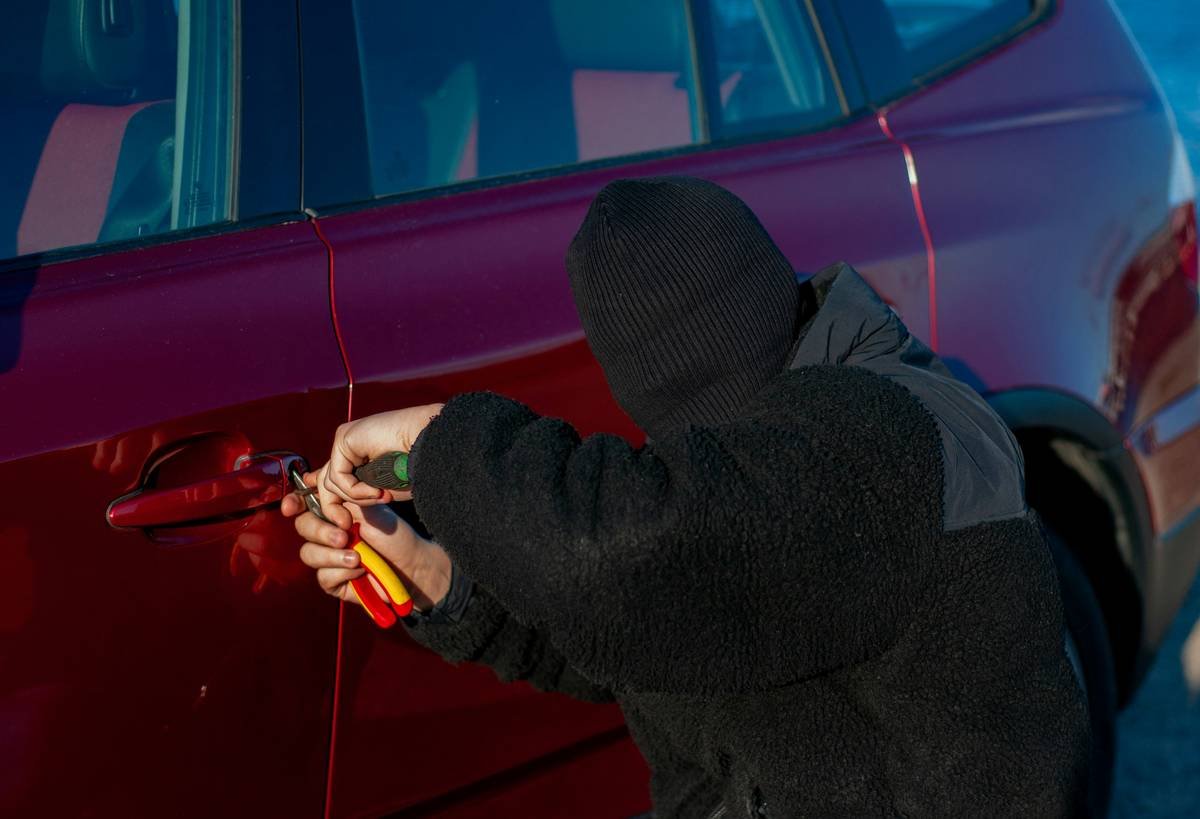
Ever walked into your home after a weekend getaway and felt that split-second panic—Did I lock the back door?? You’re not alone. According to the FBI’s 2022 Crime Data Report, a burglary occurs every 23.9 seconds in the U.S.—and over 60% happen during daylight hours while homes appear occupied. Yikes.
If you’ve ever wondered whether your “security system” (read: that one motion-sensor light from 2014) is enough, this post is your wake-up call—and your game plan. As someone who spent eight years underwriting homeowner policies (and once processed a claim for a $12,000 watch collection stolen through an unlocked dog door), I’ve seen what works… and what gets you robbed.
In this guide, you’ll learn seven battle-tested home security residential burglary safety tips that blend insurance smarts with real-world crime prevention tactics. Plus, I’ll reveal how these steps can actually lower your premiums—not just your risk.
Table of Contents
- Why Burglary Prevention Matters More Than You Think
- The 7 Home Security Residential Burglary Safety Tips That Work
- Bonus: Insurance-Smart Tips Most Homeowners Miss
- Real-World Case Study: How One Family Avoided Disaster
- FAQs About Home Security & Burglary Insurance
Key Takeaways
- Over 1 million residential burglaries occur annually in the U.S.—most are crimes of opportunity.
- Homes without security systems are 300% more likely to be targeted (University of North Carolina study).
- Many insurers offer premium discounts of 5–20% for verified security upgrades like smart locks or monitored alarms.
- “Visible deterrence” (signs, cameras, lighting) stops 60% of would-be burglars before they even try.
- Burglary insurance claims often get denied due to “negligence”—like leaving doors unlocked or failing to maintain basic security.
Why Burglary Prevention Matters More Than You Think
Here’s the cold truth: Your homeowners insurance won’t save you if you didn’t take basic precautions. I’ve reviewed dozens of denied claims where the adjuster noted “reasonable security measures were not in place.” Translation? You left a window open or skipped deadbolts—and the insurer isn’t paying for your oversight.
Worse, burglaries aren’t just about lost stuff. Victims report lasting psychological trauma—sleepless nights, fear of being alone at home, even PTSD symptoms. And financially, even with insurance, you’re stuck with deductibles (often $1,000–$2,500), replacement hassles, and potential premium hikes.
The 7 Home Security Residential Burglary Safety Tips That Work
1. Install Visible Deterrents—Yes, Even Fake Ones (But Do It Right)
Optimist You: “Just slap a ‘Protected by ADT’ sign in the yard!”
Grumpy You: “Ugh, fine—but only if coffee’s involved… and it’s backed by something real.”
Visible deterrents work—but only if they’re credible. A University of North Carolina study of convicted burglars found that 60% would avoid a home with alarm signs or visible cameras.
But here’s my confessional fail: Early in my career, I recommended a client use a dummy camera. Bad call. The burglar *noticed* it wasn’t wired, popped the lens off, and stole her jewelry anyway. Lesson? If you go fake, make it convincing—better yet, invest in a $35 Wyze Cam with real recording.
2. Upgrade Door Hardware—Not Just Locks, But Strike Plates Too
Most break-ins happen through doors—not windows. And flimsy deadbolts snap like pretzels. Use a Grade 1 deadbolt (ANSI-certified) and reinforce your strike plate with 3-inch screws anchored into the wall stud. Sounds tedious? Yeah, but so is explaining to your insurer why your $5K TV vanished through a kicked-in door.
3. Light It Up—Smartly
Motion-sensor lights? Good. Smart lights on randomized schedules? Chef’s kiss. I use Philips Hue set to mimic my evening routine when I’m traveling. Burglars hate unpredictability—it screams “someone’s home.”
4. Trim Shrubs Like You Mean It
Landscaping isn’t just curb appeal—it’s crime control. Any bush within 3 feet of a window or door is a hiding spot. Keep it trimmed below window level. (Pro tip: Ask your landscaper—they often spot vulnerabilities you miss.)
5. Secure Sliding Doors With a Simple Rod
Sliding glass doors are burglary magnets. Drop a metal or wooden rod in the track—it’s cheap, invisible, and stops forced entry. I’ve seen this simple trick foil multiple attempts in condo complexes.
6. Never Announce Vacations on Social Media
That sunset selfie with “Off to Bali for 2 weeks!”? Delete it. Thieves monitor social feeds. I once processed a claim where the victim’s Instagram geotag was literally used as evidence of negligence. Don’t be that person.
7. Get a Monitored Alarm System—And Tell Your Insurer
This isn’t just about catching crooks—it’s about proving due diligence. Most insurers (State Farm, Allstate, etc.) offer 5–20% discounts for professionally monitored systems. Submit proof of installation, and watch your premium drop.
Bonus: Insurance-Smart Tips Most Homeowners Miss
Here’s the anti-advice no one gives you: Don’t skip documenting your belongings. Take photos or video inventory of high-value items (electronics, jewelry, art). Store it in the cloud. Why? Because if you file a claim, your insurer will ask for proof of ownership—and “I swear I had a Rolex” doesn’t cut it.
Also: Review your policy’s “personal property” limit. Standard coverage is often 50–70% of your dwelling coverage. If you own expensive gear, you may need a scheduled personal property endorsement.
My niche rant: Why do people buy $300 smart doorbells but ignore $10 window locks? Priorities, people!
Real-World Case Study: How One Family Avoided Disaster
Last year, a client in Austin installed Ring cameras + smart locks after I warned them their neighborhood saw a 22% burglary spike (per local police data). Two months later, footage showed two individuals testing their front door handle at 10 a.m. When the smart lock beeped and the camera spotlight activated, they fled.
The family filed a police report with timestamped video—and their insurer credited them with “proactive risk mitigation,” resulting in a $180 annual premium reduction. Total cost of setup: $220. ROI? Priceless.
FAQs About Home Security & Burglary Insurance
Does homeowners insurance cover burglary?
Yes—if you have a standard HO-3 policy. It covers stolen personal property, but subject to your deductible and sub-limits (e.g., $1,500 for cash, $2,500 for jewelry unless scheduled).
Will a security system lower my insurance premium?
Almost always. Major carriers like Liberty Mutual, Nationwide, and USAA offer discounts of 5–20% for alarm systems, especially if professionally monitored.
Are DIY security systems accepted by insurers?
Sometimes. It depends on the carrier. Some require UL certification or professional installation. Always check before buying.
What’s the #1 mistake that gets burglary claims denied?
Negligence—like leaving doors/windows unlocked, failing to use existing locks, or not maintaining basic security. Insurers expect “reasonable care.”
Conclusion
Effective home security residential burglary safety tips aren’t about paranoia—they’re about smart, layered defense that deters criminals and satisfies your insurer. From reinforcing strike plates to silencing social media boasts, each step reduces both risk and cost.
Remember: Burglars seek easy targets. Make your home look like hard work—with visible cameras, solid locks, and smart habits—and you’ll sleep safer (and possibly pay less for insurance).
Like a Tamagotchi, your home security needs daily care… or at least weekly checks. Now go tighten those screws.
Front door locked?
Cameras blinking?
Shrubs trimmed low?
Good. Breathe.