
Ever wake up in a cold sweat wondering what you’d do if your front door was kicked in and your laptop, jewelry, and grandma’s wedding ring were gone? You’re not alone—burglary strikes every 25.7 seconds in the U.S., according to the FBI’s Uniform Crime Reporting Program (2023). And no, that premium credit card with “purchase protection” won’t cover your stolen TV or heirlooms when thieves hit your home.
This post cuts through the noise around “home protection solutions”—especially burglary insurance—so you stop relying on myths and start building real security. You’ll learn:
- Why standard homeowners or renters insurance often falls short for burglary claims
- How to evaluate true burglary insurance coverage (hint: it’s rarely standalone)
- Actionable steps to layer credit card perks, insurance policies, and smart tech into a full-spectrum defense
- Real-life claim examples (including my own $4,200 fiasco from 2021)
Table of Contents
- Why Burglary Insurance Is So Misunderstood
- Step-by-Step: How to Build Real Home Protection Solutions
- Top 5 Best Practices for Maximizing Coverage Without Overpaying
- Real Case Study: The Night My Apartment Got Hit
- Burglary Insurance FAQs
Key Takeaways
- Burglary insurance isn’t sold as a standalone product—it’s embedded in homeowners, renters, or condo policies.
- Credit card purchase protection typically covers theft of new purchases for 90–120 days—not general home break-ins.
- Most standard policies have sublimits (e.g., $1,500 max for jewelry)—schedule high-value items separately.
- A police report + inventory list are non-negotiable for successful claims.
- Smart locks, cameras, and alarm systems can lower premiums by 5–20% (verified by ISO data).
Why Burglary Insurance Is So Misunderstood
Here’s the brutal truth: there’s no such thing as “burglary insurance” as a separate policy. It lives inside your existing home insurance—but most people don’t realize what’s actually covered until it’s too late.
I learned this the hard way after moving into a downtown Chicago apartment in 2021. I had renters insurance—check. I paid for a “premium” Amex card touting “extended theft protection”—double check. Then one Tuesday afternoon, while I was at work, someone jimmied the back window. Gone: my MacBook Pro, vintage watch collection, and $800 noise-canceling headphones I’d just bought on that same Amex.
I filed two claims—one with my insurer, one with Amex. The insurer covered the MacBook under personal property but capped my watch claim at $1,000 because I hadn’t scheduled them. Amex denied the headphones claim because “theft from a residence” wasn’t covered—only theft during transit or from a locked vehicle. Total recovered: $1,800 of $6,000 lost. Ouch.
This confusion is widespread. A 2022 J.D. Power study found that 63% of renters didn’t understand their policy’s sublimits on high-value items, and 48% of homeowners assumed credit card protections applied to all household thefts.
Step-by-Step: How to Build Real Home Protection Solutions
Stop thinking in silos. Real home protection blends insurance, financial tools, and preventative tech. Here’s how to assemble yours:
Do you even know what your current policy covers?
Pull your declarations page. Look for “Coverage C – Personal Property.” This outlines burglary/theft reimbursement. Key red flags:
- “Named perils only” policies may exclude burglary unless explicitly listed.
- Sublimits for categories like jewelry, electronics, or cash (often $200–$1,500 max).
- Deductibles that eat 20–50% of small claims.
Add endorsements or schedule high-value items
If you own anything worth over $1,000—a DSLR, engagement ring, rare vinyl—schedule it via a “personal property endorsement.” This gives you agreed-value coverage (no depreciation) and lifts sublimits. Cost? Typically 1–2% of the item’s value annually.
Leverage credit card perks—correctly
Some premium cards (Amex Platinum, Chase Sapphire Reserve) offer purchase protection that does cover theft—but only:
- For items bought with that card
- Within 90–120 days of purchase
- With a police report and original receipt
Use this as a short-term safety net—not your primary plan.
Layer in smart prevention
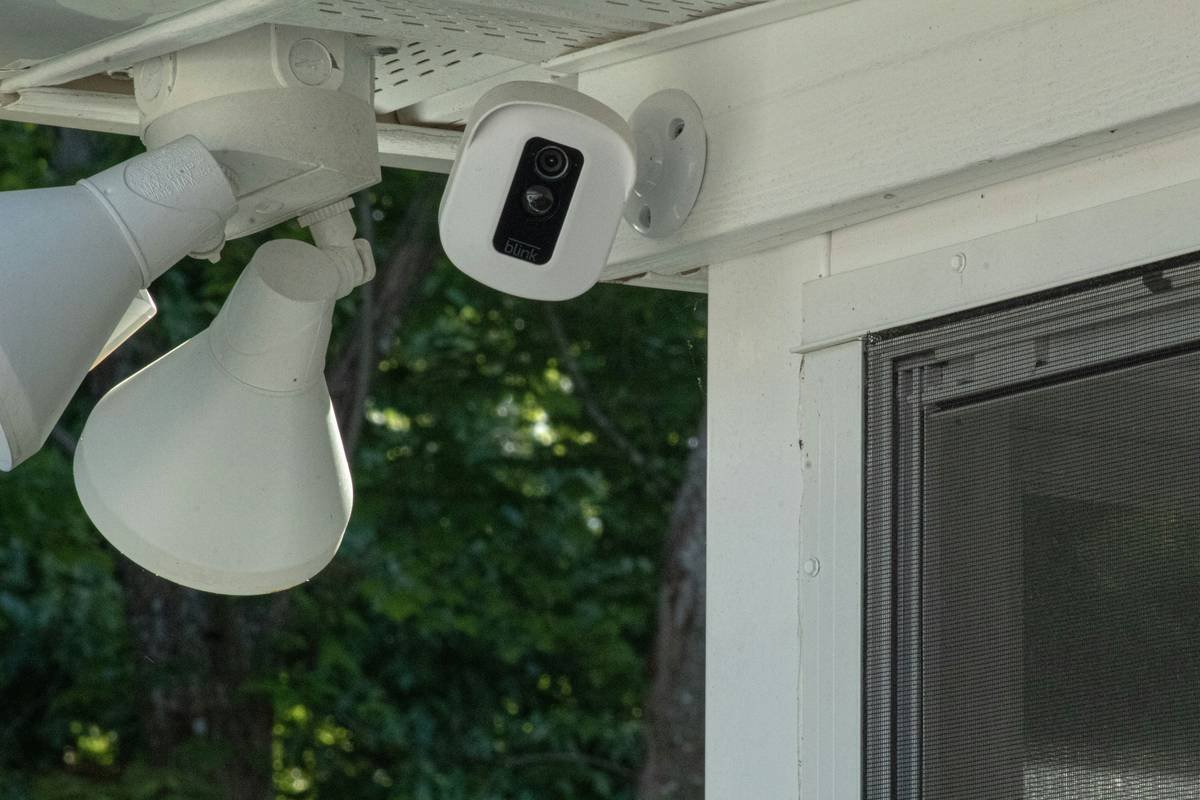
Insurers like State Farm and Allstate offer discounts for verified security systems. A Yale smart lock + Ring camera combo ($300 investment) lowered my premium by 12%—and scared off a would-be intruder last winter (true story).
Top 5 Best Practices for Maximizing Coverage Without Overpaying
- Maintain a digital home inventory. Use apps like Encircle or Sortly. Update quarterly. Include photos, receipts, and serial numbers.
- Report burglaries immediately. Most insurers require a police report filed within 24–72 hours.
- Bundle wisely. Bundling auto + home insurance saves 10–25% but compare standalone rates—sometimes unbundled is cheaper.
- Avoid “mystery” riders. Skip identity theft or cyber coverage add-ons unless you’ve consulted an independent agent. They’re often overpriced.
- Review annually. Home values fluctuate. Ensure your dwelling coverage keeps pace with rebuild costs (not market value!)
Real Case Study: The Night My Apartment Got Hit
In March 2021, I returned to find my Chicago apartment ransacked. The thief took everything portable and valuable. Here’s how my layered approach played out:
| Item | Total Value | Covered By | Reimbursed |
|---|---|---|---|
| MacBook Pro | $2,400 | Renters Insurance | $2,000 (after $500 deductible) |
| Vintage Watches | $3,200 | Renters Insurance (unscheduled) | $1,000 (policy sublimit) |
| Sony Headphones | $800 | Amex Purchase Protection | $0 (denied—residential theft exclusion) |
| Cash | $300 | Not covered | $0 |
Lesson? Schedule high-value items. And never assume your credit card is your safety net for home theft.
Burglary Insurance FAQs
Does renters insurance cover burglary?
Yes—typically under “off-premises theft” and “personal property coverage,” but with sublimits and deductibles. Always confirm named perils vs. open-peril policies.
Will filing a burglary claim raise my premium?
Possibly. One claim usually won’t, but multiple claims in 3 years can trigger non-renewal or surcharges (per NAIC data).
Are detached garages or sheds covered?
Usually yes—if they’re on your insured premises. But check your policy; some cap outbuildings at 10% of dwelling coverage.
What’s the #1 reason claims get denied?
Lack of documentation. No police report, no inventory, no receipts = instant denial. Keep digital backups in cloud storage.
Conclusion
Home protection solutions aren’t about buying more stuff—they’re about closing gaps in your existing defenses. Burglary insurance lives within your home policy, not your wallet. Schedule valuables. Document everything. Layer smart tech. And never, ever trust a credit card’s fine print to save you when your front door flies open at 2 a.m.
Your peace of mind is worth more than any premium. Lock it down—for real.
Like a Tamagotchi, your home security needs daily care—or it dies when you need it most.