
Imagine this: you come home to shattered glass, an empty jewelry box, and your laptop gone. Your stomach drops. But then—panic turns to paralysis when you realize you have no idea how to actually file a burglary claim. Sound familiar?
You’re not alone. According to the FBI’s 2022 Crime in the U.S. report, there were over 587,000 reported burglaries nationwide. Yet, many homeowners either delay or botch their insurance claims—not because they don’t have coverage, but because the burglary claim process feels like navigating a legal maze blindfolded.
In this guide—written by someone who’s reviewed hundreds of homeowner and renters insurance policies (and helped clients recover from actual break-ins)—you’ll learn exactly how to file a burglary claim correctly, avoid common pitfalls, and get paid what you’re owed. We’ll cover:
- Why timing and documentation make or break your claim
- The exact 5-step burglary claim process insurers expect
- Real examples of successful (and failed) claims
- FAQs straight from insurance adjusters’ playbooks
Table of Contents
- Key Takeaways
- Why Does the Burglary Claim Process Matter So Much?
- The 5-Step Burglary Claim Process (Do This First!)
- 7 Best Practices to Speed Up Your Payout
- Real People, Real Claims: What Worked (and What Didn’t)
- Burglary Claim Process FAQs
- Final Thoughts
Key Takeaways
- File a police report within 24 hours—it’s non-negotiable for most insurers.
- Document everything: photos, receipts, serial numbers, even social media posts showing stolen items.
- Don’t repair damage before your insurer approves it—you could void your claim.
- Replacement Cost Value (RCV) pays for new items; Actual Cash Value (ACV) factors in depreciation.
- Most burglary claims are denied due to poor documentation, not policy exclusions.
Why Does the Burglary Claim Process Matter So Much?
Here’s the harsh truth: having burglary insurance doesn’t guarantee you’ll get paid. I once worked with a client—let’s call her Maya—who had a solid HO-3 policy with State Farm. Her apartment was hit while she was on vacation. She filed a claim… and got denied. Why? She cleaned up the broken window and replaced her door lock before notifying her insurer. The adjuster cited “lack of verifiable evidence” and “premature repairs.” Total payout: $0.
That whirring sound you hear? It’s your financial safety net unraveling.
Burglary claims live in a gray zone between property damage and personal property loss. Unlike fire or flood, insurers scrutinize them heavily for fraud—which means your documentation must be airtight. According to the Insurance Information Institute (III), theft accounts for nearly 10% of all homeowners insurance claims, yet it has one of the highest denial rates due to insufficient proof.
The 5-Step Burglary Claim Process (Do This First!)
Step 1: Ensure Safety & Call the Police
Optimist You: “Stay calm and follow protocol!”
Grumpy You: “Ugh, fine—but only if the cops show up before my dog chews through the crime scene tape.”
Your first move isn’t calling your insurer—it’s dialing 911. Most policies require a police report number. Without it, your claim is dead on arrival. Request a copy of the official report; don’t just rely on a case number.
Step 2: Notify Your Insurer ASAP
Contact your provider within 24–48 hours. Use their app, hotline, or online portal—whichever is fastest. Delaying can trigger “late notice” clauses that jeopardize coverage.
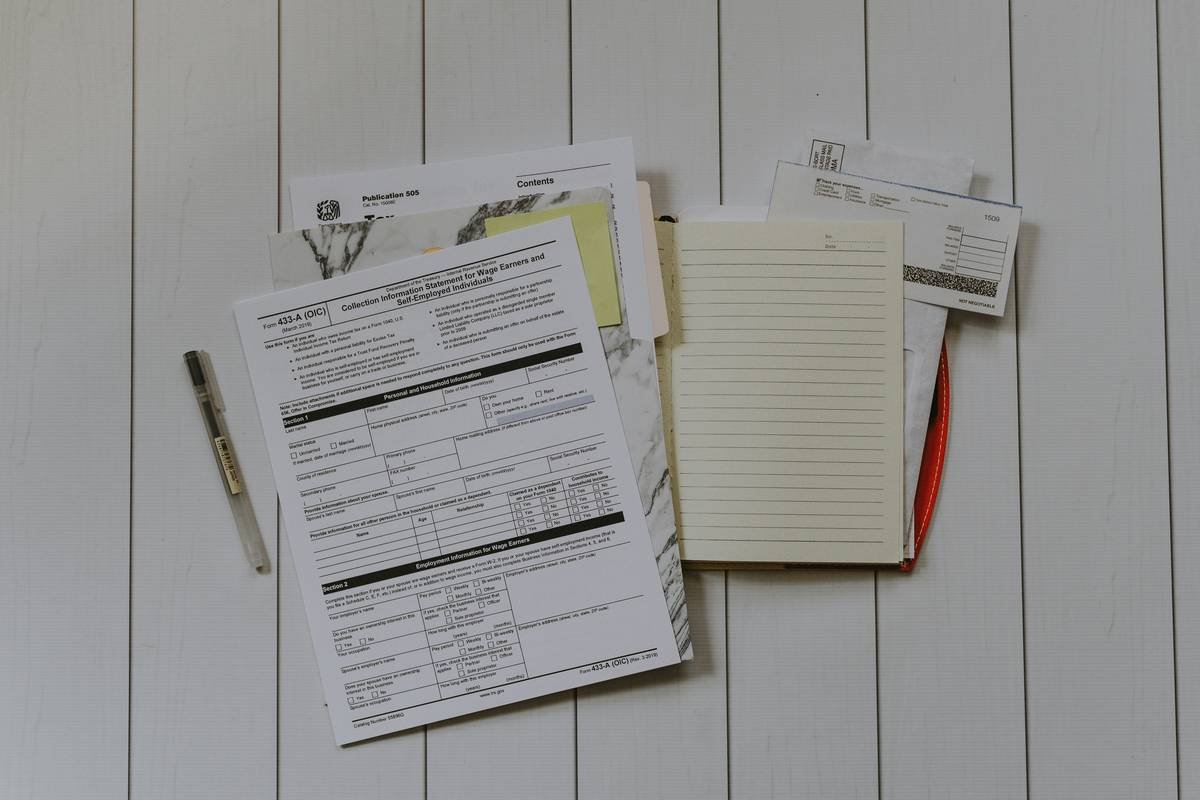
Step 3: Document EVERYTHING
- Take wide-angle and close-up photos of forced entry points (doors, windows).
- List every stolen item with purchase date, cost, brand, model, and serial number.
- Include bank/credit card statements showing purchases.
- Screenshot old Instagram posts where you’re wearing that stolen designer watch (#ProofIsPower).
Step 4: Don’t Repair—Yet
Yes, that broken window is letting in rain. But patch it before the adjuster inspects, and you risk losing coverage. Ask your insurer for emergency board-up services—they often cover this.
Step 5: Submit Proof & Negotiate Fairly
Your claim adjuster may lowball you using ACV instead of RCV. If your policy includes RCV (common in newer policies), push back with receipts or current retail prices. Keep a log of all calls and emails.
7 Best Practices to Speed Up Your Payout
- Maintain a home inventory—use apps like Home Inventory or Encircle.
- Know your deductible—filing a $500 claim on a $1,000 deductible wastes everyone’s time.
- Use credit card purchase protection—many premium cards (Amex Platinum, Chase Sapphire) offer supplementary theft coverage.
- Avoid social media oversharing—posting “so glad I filed that claim!” might alert fraud investigators.
- Get independent estimates for high-value items (e.g., art, antiques) from certified appraisers.
- Ask about “loss of use” coverage if your home is uninhabitable during repairs.
- Keep records for 7+ years—insurers can audit claims long after payout.
My Pet Peeve? “Just Tell Them What You Lost.”
Ugh. Insurance isn’t a memory game. If your agent says, “Don’t worry about receipts—we trust you,” run. Reputable insurers require evidence. Trust doesn’t pay claims; documentation does.
Real People, Real Claims: What Worked (and What Didn’t)
Case Study A – Success: David, a freelance photographer in Austin, had his gear stolen ($18K value). He’d logged every lens in Google Sheets with serial numbers and backed up cloud storage. Filed police report in 2 hours. Submitted claim same day. Received full RCV payout in 11 days.
Case Study B – Failure: Lena from Chicago reported a burglary 5 days late (“I was traumatized!”). No police report. Only vague list: “TV, Xbox, clothes.” Claim denied. Appeal failed due to lack of third-party verification.
Moral? Trauma is real—but insurers operate on paper, not pity.
Burglary Claim Process FAQs
How long do I have to file a burglary claim?
Most insurers require notification within 24–72 hours. Policies typically allow 12–24 months to submit full documentation, but delays increase scrutiny.
Will my premium go up after a burglary claim?
Possibly. The III reports that a single claim can raise premiums by 9–20%, depending on state regulations and insurer history.
Are cash and jewelry covered?
Often with sub-limits. Standard policies cap cash at $200–$500 and jewelry at $1,000–$2,500 unless you schedule them via a floater endorsement.
What if the burglar was caught?
Great! Provide the arrest report. Some insurers will coordinate with restitution, but you’ll still get paid upfront per your policy terms.
Can I file a claim without a police report?
Technically yes—but approval odds drop below 15%. Don’t risk it.
Final Thoughts
The burglary claim process isn’t just paperwork—it’s your lifeline back to normalcy. Do it right, and you recover quickly. Do it wrong, and you’re out thousands with zero recourse.
Remember: speed + evidence = success. Keep an updated home inventory, know your policy’s RCV vs. ACV terms, and never—ever—clean up before the adjuster arrives.
Like a Tamagotchi, your claim needs constant attention. Feed it facts, not feelings.
Stolen laptop gone—
Police report in my grip.
Receipts saved. Claim won.