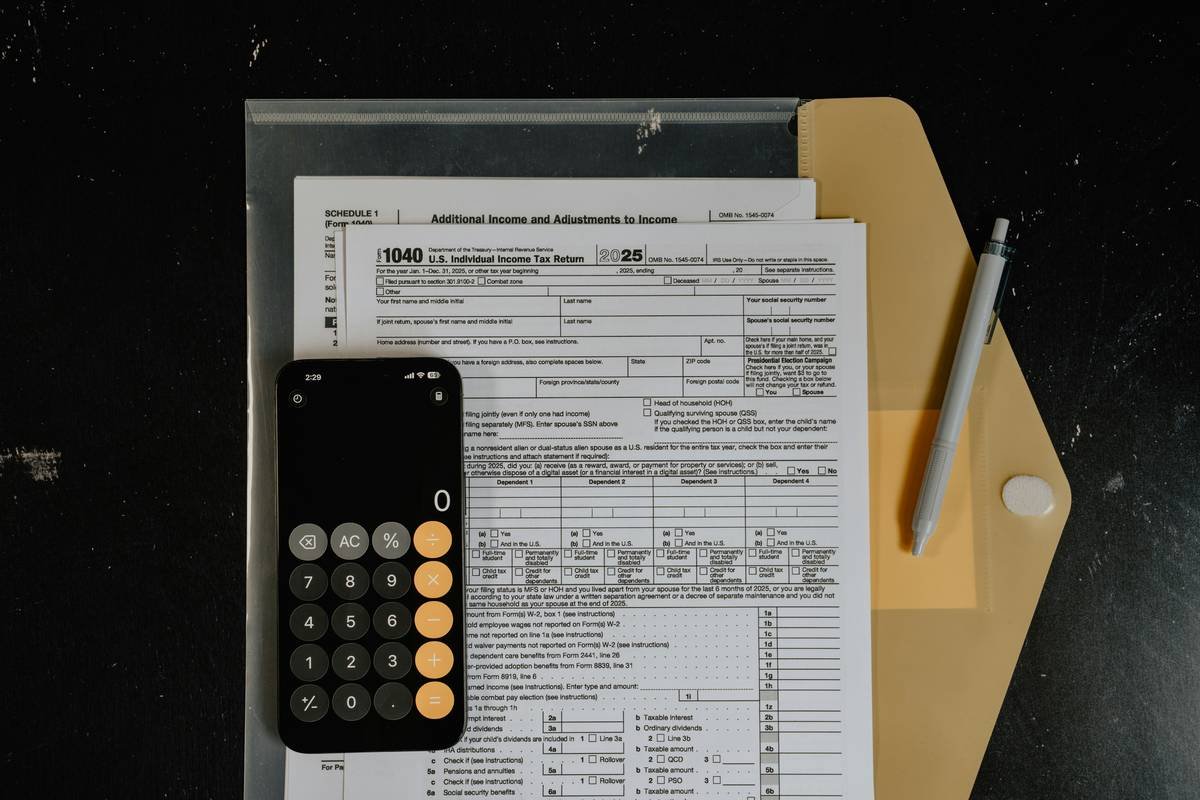
Ever come home to a ransacked living room, heart pounding, only to realize your “fully insured” valuables are covered… but only up to $2,000? Yeah. That happened to my cousin last year. She’d assumed her standard homeowners policy had her back—until she learned the hard way that her burglary insurance limit was a tiny fraction of what she’d lost.
If you’ve never double-checked your policy’s fine print, this post is your wake-up call. We’ll cut through the jargon, explain exactly what a burglary insurance limit means, how to calculate yours, and—most importantly—how to avoid being underinsured when it matters most. You’ll learn:
- Why “standard coverage” often falls short for high-value items
- How to audit your belongings like an insurance pro
- When to buy scheduled personal property endorsements
- Real stories (and mistakes) from real claims
Table of Contents
- Key Takeaways
- What Exactly Is a Burglary Insurance Limit?
- Step-by-Step: How to Audit & Adjust Your Coverage
- 5 Best Practices to Maximize Your Protection
- Case Study: How One Family Lost $18K—and Got Only $3K Back
- Burglary Insurance Limit FAQs
Key Takeaways
- Most standard homeowners or renters policies cap theft coverage at 10–15% of your personal property limit.
- High-value items like jewelry, electronics, or art often have sub-limits as low as $1,000–$2,500 per category.
- You can increase your burglary insurance limit via scheduled personal property endorsements (aka “floaters”).
- Document everything—photos, receipts, appraisals—or risk claim denial.
- Review your policy annually; inflation and lifestyle changes can quickly outpace your coverage.
What Exactly Is a Burglary Insurance Limit?
In plain English: your burglary insurance limit is the maximum amount your insurer will pay if your stuff gets stolen during a break-in. Sounds straightforward—until you realize it’s rarely a single number.
Here’s the catch: most policies split coverage into layers:
- Personal Property Limit: Total value of all your belongings (e.g., $50,000).
- Theft Sub-Limit: Often 10–15% of the above (so just $5,000–$7,500 in our example).
- Category-Specific Caps: Jewelry might max out at $1,500, electronics at $2,500—even if your total theft limit is higher.
According to the Insurance Information Institute (III), nearly 60% of homeowners are underinsured for personal property—and theft claims are among the most common reasons for coverage gaps.
Optimist You: “But I don’t own anything super expensive!”
Grumpy You: “Your gaming rig, designer handbag, or grandpa’s watch says otherwise—and so does your future self sobbing over a denied claim.”
Step-by-Step: How to Audit & Adjust Your Coverage
Step 1: Pull Your Declarations Page
This is the summary sheet of your policy. Find the “Coverage C – Personal Property” section. Note the total limit—and any listed sub-limits for theft or specific categories.
Step 2: Inventory High-Risk Items
Walk through your home with your phone. Photograph or video every item worth over $500. Focus on:
- Jewelry & watches
- Laptops, cameras, gaming consoles
- Bicycles, musical instruments
- Art, collectibles, heirlooms
Step 3: Check Receipts & Appraisals
No receipt? No problem—but get a current appraisal for antiques or luxury goods. Insurers won’t guess value; they need proof.
Step 4: Calculate the Gap
Add up your high-value items. If the total exceeds your theft sub-limit (or category caps), you’re exposed.
Step 5: Talk to Your Agent About a Floater
A “scheduled personal property endorsement” (industry slang: floater) lists specific items with individual limits. It costs more—but pays out full replacement value, no questions asked.
5 Best Practices to Maximize Your Protection
- Never assume “all-risk” means unlimited. Even comprehensive policies have caps. Read Section I, Exclusions and Limits.
- Update your inventory every 6 months. Bought new AirPods? Inherited silverware? Add it.
- Use a digital home inventory app. Encircle, Sortly, or even Google Photos with labeled albums work great.
- Beware of “mysterious disappearance” clauses. Some policies won’t cover items that vanish with no sign of forced entry (i.e., no broken window = no claim).
- Bundle smartly. If you carry credit cards that offer purchase protection (like Amex or Chase Sapphire), they might supplement—but not replace—insurance.
TERIBLE TIP ALERT: “Just hope it doesn’t happen to you.” Nope. The FBI reports over 700,000 burglaries annually in the U.S.—that’s one every 44 seconds. Hope isn’t a strategy.
Case Study: How One Family Lost $18K—and Got Only $3K Back
Last spring, the Martinezes returned from vacation to find their Seattle home cleaned out. Thieves took:
- $8,000 custom-built PC + peripherals
- $5,000 engagement ring
- $3,000 camera gear
- $2,000 designer luggage
Total loss: ~$18,000.
Their State Farm policy? Covered personal property up to $60,000—but with these sub-limits:
- Electronics: $2,500 max
- Jewelry: $1,500 max
- All other theft: subject to 10% deductible ($6,000)
Result: They received $3,000 after deductible. The rest? Out of pocket.
“We didn’t know about floaters,” Maria Martinez told me over coffee. “Our agent never mentioned them. Now we have scheduled coverage for everything over $1,000—and sleep better.”
Burglary Insurance Limit FAQs
Does renters insurance have a burglary insurance limit too?
Yes! Renters policies include personal property coverage with similar sub-limits for theft. Never assume you’re fully covered.
Is cash covered under burglary insurance?
Barely. Most policies cap cash reimbursement at $200–$500, regardless of how much was stolen. Keep large amounts in a bank.
What’s the difference between burglary and theft coverage?
“Burglary” typically implies forced entry (broken window, damaged lock). “Theft” may include pickpocketing or items stolen from your car. Coverage terms vary—check your policy wording.
Can I increase my burglary insurance limit without a floater?
Sometimes. You can raise your overall personal property limit, which lifts the theft sub-limit proportionally. But for high-value items, a floater is almost always necessary.
Do credit card benefits affect my burglary insurance limit?
Not directly. Cards like Visa Infinite or Amex Platinum offer extended warranty or purchase protection—but these usually exclude theft from your home. They complement insurance; they don’t replace it.
Conclusion
Your burglary insurance limit isn’t just a number—it’s your financial safety net when chaos strikes. Don’t wait for a break-in to discover it’s full of holes. Audit your belongings, understand your sub-limits, and add floaters where needed. Because peace of mind shouldn’t come with fine print.
And if your laptop fan’s whirring like it’s rendering a 4K heist movie right now… go photograph your valuables. Your future self will thank you.
Like a Tamagotchi, your insurance needs daily care—if you feed it receipts and ignore it for years, it dies when you need it most.