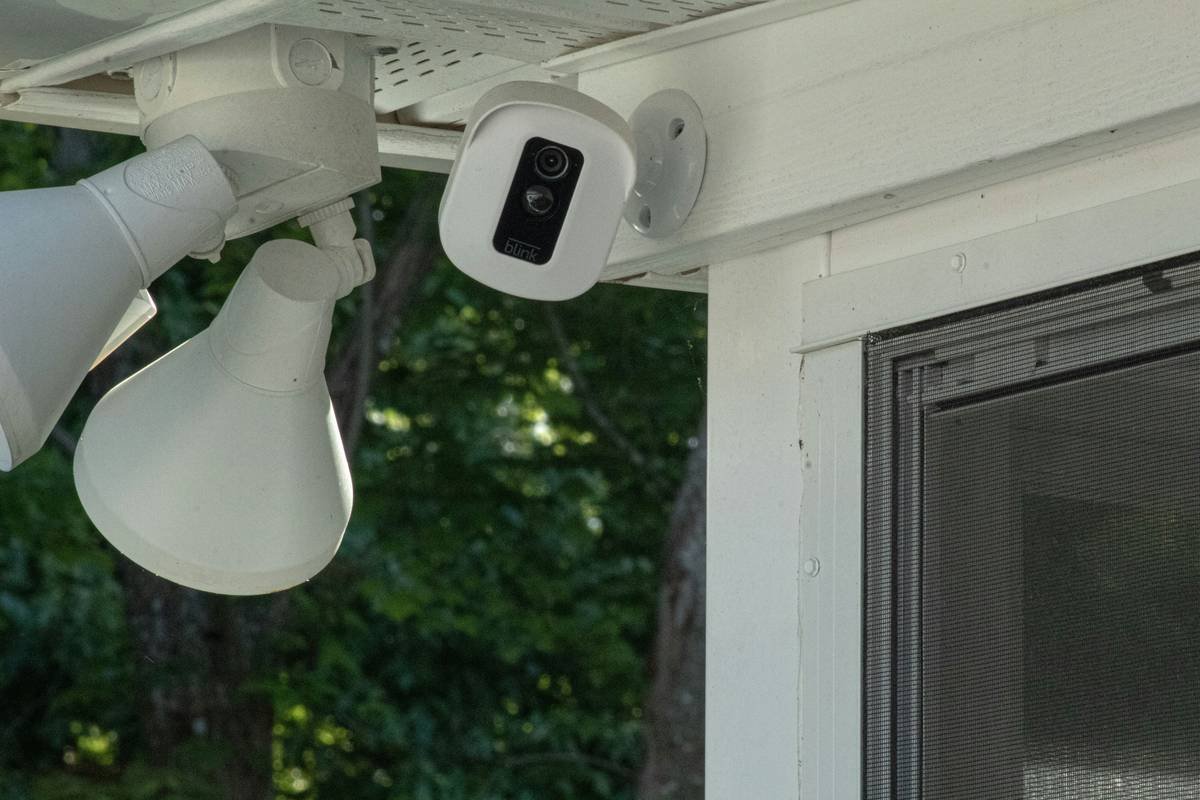
“Ever opened your burglary insurance policy only to find out your theft insurance limit doesn’t even cover half your stolen belongings? Yeah, it’s a nightmare.”
Burglary is one of the most common crimes globally, and while we’d all love to think it won’t happen to us, statistics say otherwise. Did you know that a burglary occurs every 25 seconds in the U.S., according to FBI data? Yet, few people understand what their theft insurance limit actually covers—or worse, they realize too late that it wasn’t enough.
In this post, we’ll explore everything about theft insurance limits—from why they’re critical to how you can ensure yours works for you. By the end, you’ll have actionable insights on adjusting your coverage, avoiding expensive mistakes, and protecting your peace of mind.
Table of Contents
- What Is Theft Insurance and Why Does the Limit Matter?
- Step-by-Step Guide to Evaluating Your Theft Insurance Limit
- Tips to Maximize Your Coverage Without Breaking the Bank
- Real-Life Examples: When Theft Insurance Saved (and Failed) Homeowners
- FAQs About Theft Insurance Limits
Key Takeaways
- Your theft insurance limit determines how much your insurer will pay if your belongings are stolen.
- Undervaluing your possessions could leave you underinsured during a claim.
- Regularly reviewing your policy ensures your coverage matches your current lifestyle.
- Adding riders or endorsements can boost specific item limits beyond standard caps.
What Is Theft Insurance and Why Does the Limit Matter?

If someone breaks into your home and steals your electronics, jewelry, and other valuables, theft insurance steps in to help replace them. But here’s where things get tricky: your theft insurance limit, which sets the maximum amount an insurance company will reimburse, might be far lower than the actual cost of replacing those items.
My Confessional Fail: Once, after moving to a new city, I neglected updating my homeowner’s insurance policy. When burglars struck, I discovered my theft insurance limit capped at $5,000—barely covering my laptop and camera gear. It felt like trying to patch a leaky roof with duct tape.
This issue affects countless homeowners who assume their policies automatically adjust to reflect rising property values or new purchases. Spoiler alert: They don’t.
Step-by-Step Guide to Evaluating Your Theft Insurance Limit
- Inventory Everything You Own
Create a detailed list of your possessions. Apps like Sortly make this process less painful by letting you snap photos and assign values. - Calculate Replacement Costs
Don’t guess—research current prices for similar items. Trust me; ignoring inflation leads to disaster faster than forgetting coffee before noon. - Review Your Current Policy
Pull up your policy documents (yes, even the fine print). Look for terms like “coverage limits” or “per-item maximums.” These dictate what you’ll receive if theft strikes. - Compare Coverage vs. Replacement Needs
Do your numbers match? If not, proceed directly to Step 5—but first grab that cup of coffee because updates aren’t always fun. - Contact Your Insurer
Discuss increasing your theft insurance limit or adding scheduled personal property coverage for high-value items like artwork or heirlooms.
Tips to Maximize Your Coverage Without Breaking the Bank
Grumpy You: “Ugh, do I really need more coverage?”
Optimist You: “Trust me, paying now beats regretting later!”
- Bundle Policies: Many insurers offer discounts when combining auto and home insurance. Win-win!
- Raise Deductibles: Opting for higher deductibles lowers premiums but requires a rainy-day fund ready to cover costs upfront.
- Add Riders: For expensive items (think engagement rings), consider separate endorsements instead of relying solely on your base theft insurance limit.
- Avoid Overlooking Small Stuff: Burglars swipe smaller items first since they’re easier to carry away unnoticed. Don’t forget these in your inventory!
- Terrible Tip Alert: Skip Updating Your Inventory
Please ignore this advice—it’s terrible! Not keeping records means losing big during claims.
Real-Life Examples: When Theft Insurance Saved (and Failed) Homeowners
Case Study 1: The Jewelry Collector
Jane, an avid antique jewelry collector, lost $80,000 worth of pieces in a break-in. Luckily, she had added a rider to her policy, bumping her theft insurance limit significantly. Her insurer covered nearly all replacement costs, saving her years of financial strain.
Case Study 2: The Underinsured Victim
Mark assumed his $10,000 theft insurance limit would suffice. After thieves made off with electronics, tools, and furniture totaling over $25,000, he faced hefty out-of-pocket expenses. Lesson learned: assumptions bite harder than burglars.
FAQs About Theft Insurance Limits
What happens if I exceed my theft insurance limit?
You’ll likely bear the remaining costs yourself. That’s why aligning your limit with replacement needs matters so much.
Does theft insurance cover stolen cash?
Unfortunately, most policies cap reimbursement for cash at around $200-$500 due to its untraceable nature.
Can I negotiate my theft insurance limit?
Absolutely. Contact your agent to discuss options based on your unique situation and inventory.
Conclusion
Understanding your theft insurance limit isn’t just smart—it’s essential. From creating thorough inventories to exploring additional coverage options, taking proactive steps safeguards both your finances and peace of mind.
So, pour yourself another cup of coffee, dive into your policy details, and protect what matters most.
Stay secure, folks. And remember, staying informed is like having a superhero cape against life’s curveballs.
Random Haiku Moment:
Gone in a flash,
Jewels taken, dreams shattered,
Insurance restores.