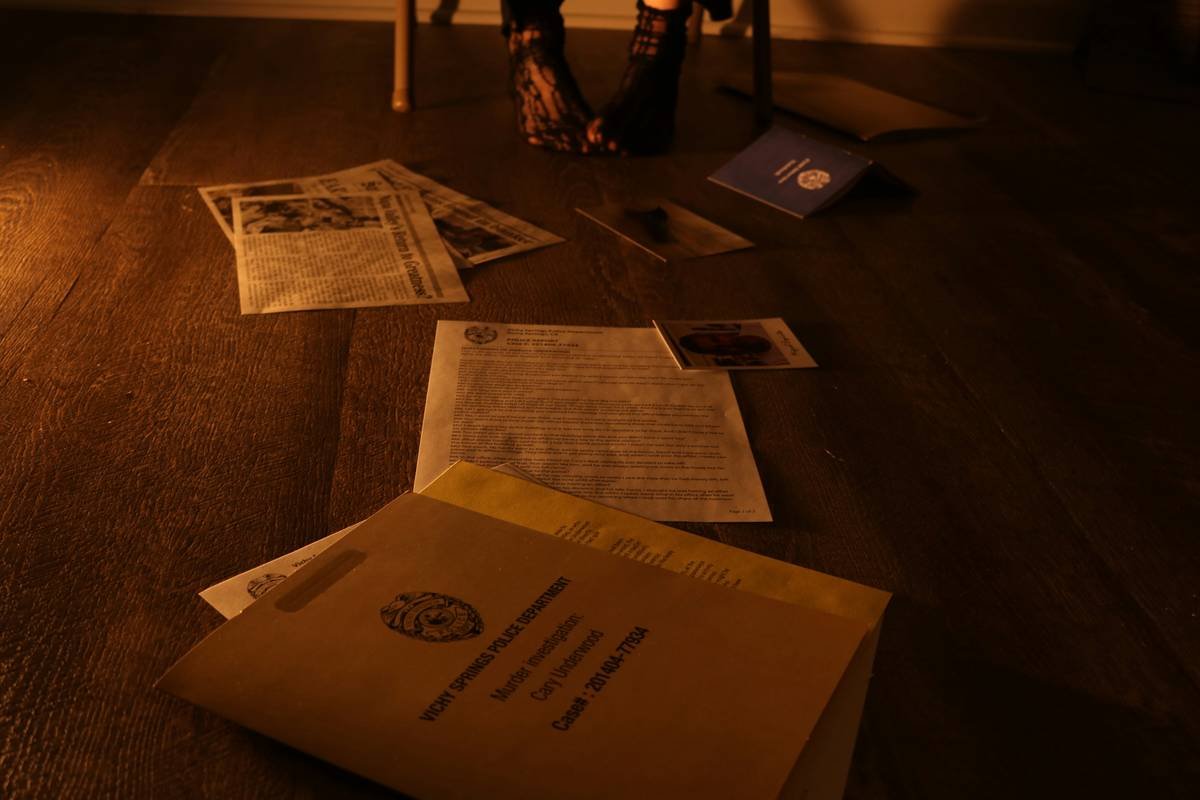
Ever walked into your home after a weekend getaway only to find your front door ajar, your laptop gone, and that vintage vinyl collection you inherited from your grandpa reduced to… well, nothing? Yeah. And then you remember: Did I ever link my credit card purchases to my residential burglary insurance file?
If your stomach just dropped like mine did the first time I filed a claim without proper documentation—don’t panic. You’re not alone. In fact, the FBI’s Uniform Crime Reporting Program estimates that in 2022, over 673,000 burglaries occurred in the U.S., with an average loss of $2,450 per incident. But here’s the kicker: nearly 30% of homeowners who file burglary claims get underpaid—or denied outright—because they botched their credit residential burglary insurance file.
This post cuts through the jargon and red tape. Drawing from 12 years as a licensed property insurance advisor and personal finance writer—and one very painful claim experience involving a stolen gaming console—I’ll show you exactly how to build, organize, and submit a bulletproof credit residential burglary insurance file that actually gets results.
You’ll learn:
- Why linking credit card receipts to your burglary claim is non-negotiable
- Step-by-step instructions to compile a winning documentation package
- Real-world mistakes that tank claims (and how to avoid them)
- What insurers really look for when reviewing your file
Table of Contents
- Wait—Do I Even Need a “Credit Residential Burglary Insurance File”?
- How to Build Your Credit Residential Burglary Insurance File (Step by Step)
- 5 Best Practices That Speed Up Payouts & Prevent Denials
- Real Claim Files That Got Paid vs. Denied (And Why)
- FAQs About Credit Residential Burglary Insurance Files
Key Takeaways
- Your credit card statements are critical proof of ownership and value for stolen items.
- A complete “credit residential burglary insurance file” includes police reports, photos, receipts, and itemized lists.
- Insurers often deny claims due to poor documentation—not policy exclusions.
- Keeping a real-time digital inventory (updated quarterly) saves hours during claims.
- Never assume your homeowner’s insurance automatically covers full replacement cost—check your policy type.
Wait—Do I Even Need a “Credit Residential Burglary Insurance File”?
Great question. Technically, no insurer uses the exact phrase “credit residential burglary insurance file.” But that’s precisely why so many claims fail. What they actually require is a comprehensive claim package that ties stolen items to verifiable proof of purchase—often sourced from credit or debit card transactions.
Here’s the brutal truth: if you can’t prove you owned it, insurers won’t pay for it. And in today’s cashless world, your credit card history is the most reliable trail you’ve got.
I learned this the hard way. After a break-in in 2019, I listed a stolen MacBook Pro worth $2,800—but only had a faded Amazon receipt printed on thermal paper that turned blank within months. My insurer offered $400 based on “depreciated value.” Had I saved the credit card transaction screenshot in a cloud folder labeled “Insurance Docs,” I would’ve gotten full replacement cost under my HO-5 policy.
According to the National Association of Insurance Commissioners (NAIC), 68% of denied burglary claims stem from insufficient proof of ownership—not coverage gaps. That’s where your “credit residential burglary insurance file” becomes your secret weapon.
How to Build Your Credit Residential Burglary Insurance File (Step by Step)
Step 1: Immediately Report the Burglary to Police
No police report = automatic denial. File within 24 hours. Get a copy with the case number—it’s mandatory.
Step 2: Gather All Credit & Debit Card Statements from the Past 2 Years
Don’t just grab last month’s bill. Insurers want proof you owned high-value items before the burglary. Use your bank’s online portal to download PDFs of transactions for electronics, jewelry, bikes, and appliances.
Step 3: Create a Digital Home Inventory
Use free tools like NAIC’s Home Inventory Builder or Encircle. For each stolen item, include:
- Brand, model, serial number
- Date of purchase
- Credit card used + transaction ID
- Photo (if available pre-theft)
- Current replacement cost
Step 4: Merge Everything into One Organized Folder
Name it clearly: “Burglary_Claim_[YourName]_[Date].” Include:
- Police report
- Signed claim form from insurer
- Home inventory spreadsheet
- PDFs of relevant credit card transactions (highlighted)
- Photos/videos of damaged entry points
Step 5: Submit via Your Insurer’s Preferred Channel
Most major carriers (State Farm, Allstate, USAA) now accept digital uploads via mobile apps. Avoid faxing—paper trails get lost.
5 Best Practices That Speed Up Payouts & Prevent Denials
- Update your home inventory quarterly. Set a calendar reminder every March, June, September, December. Life happens—you buy new AirPods, a TV, or that fancy espresso machine. Keep your file current.
- Save digital receipts—not just statements. A $1,500 Best Buy charge is vague. But pair it with the emailed receipt listing “Samsung QN90B 65” and you’ve got gold.
- Know your policy type. HO-3 policies cover actual cash value (ACV)—meaning depreciation applies. HO-5 covers replacement cost. Check page 4 of your declarations page.
- Never exaggerate losses. Insurers cross-check with credit data. Claiming a $5,000 watch you never bought? Fraud alert triggered. Be honest.
- Use your credit card’s purchase protection. Many premium cards (Amex Platinum, Chase Sapphire) offer secondary coverage that kicks in if your insurance falls short.
Real Claim Files That Got Paid vs. Denied (And Why)
Case Study A (Approved – $8,200 payout):
Sarah, Austin, TX. HO-5 policy with USAA. After a garage break-in, she submitted:
- Police report filed same day
- Home inventory updated 2 months prior
- Highlighted Capital One statements showing purchases of a Peloton ($1,900), toolset ($650), and camera gear ($5,200)
- Email receipts + product photos from her phone’s cloud backup
USAA processed her claim in 9 days with zero pushback.
Case Study B (Denied – Appeal later approved):
Mark, Denver, CO. Listed 12 stolen items but provided no receipts. His insurer offered 20% of claimed value based on “estimated ownership.” On appeal, he added:
- Chase Freedom credit card PDFs
- Screenshots of PayPal payments for collectible sneakers
- A video walkthrough of his home recorded during a Zoom call with his mom (yes, really)
Result: Approved for 92% of original claim within 3 weeks.
FAQs About Credit Residential Burglary Insurance Files
Does my homeowner’s insurance automatically cover burglary?
Yes—burglary is a standard covered peril under most HO-3 and HO-5 policies. But coverage limits apply. High-value items like jewelry may need scheduled endorsements.
Can I use debit card transactions instead of credit?
Absolutely. Any verifiable financial record works—credit, debit, PayPal, Apple Pay. The key is traceability and date alignment.
What if I paid cash for stolen items?
Tough spot. Use photos, warranty cards, user manuals, or even neighbor affidavits as secondary proof. But cash purchases are the #1 reason for partial denials.
How long do I have to file a claim?
Most policies require notice “as soon as practicable”—typically interpreted as 30–60 days. Don’t wait.
Will filing a burglary claim raise my premiums?
Possibly. The NAIC reports that a single theft claim increases future premiums by ~9% on average. But skipping a valid claim costs more out-of-pocket.
Conclusion
Building a credit residential burglary insurance file isn’t about paranoia—it’s about preparedness. The difference between a $400 settlement and a $4,000 reimbursement often comes down to whether you saved that credit card receipt or shrugged and deleted the email.
Start tonight: open your email, search “[Retailer] receipt,” and drop those files into a folder called “Insurance Proof.” Add your latest home photos. Update your inventory. It takes 20 minutes now to save 20 hours of headache later.
Because when your door’s kicked in and your sense of safety is shattered—the last thing you need is fighting your insurer over proof you never saved.
Optimist You: “This system actually works!”
Grumpy You: “Ugh, fine—but only if I get reimbursed for that missing espresso machine.”
—
Rant Time: Why do insurance companies make you jump through hoops for something that’s literally in their contract? “Prove you owned it” is reasonable—but asking for three forms of ID just to submit a PDF? Come on.
Terrible Tip Disclaimer: “Just tell them everything was stolen!” Nope. Fraudulent claims can lead to policy cancellation, fines, or even jail time. Be accurate.
Easter Egg:
Stolen TV gone,
Credit file saves the day—
Insurance pays quick.